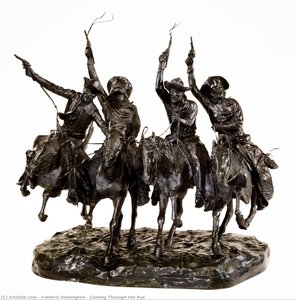
In echtem Maßstab anzeigen
 Versenden als Grußkarte
 Teilen
 Details anzeigen
 Leitfaden öffnen

 Herunterladen
 Ähnliche Objekte
 Röntgenaufnahme
 Diashow
 Besucherstatistiken
Die Stampede
 Acryl auf Leinwand
- Wandkunst
- Amerikanischer Regionalismus
 1909
1909- – 19. Jahrhundert
 122.0 x 54.0 cm
 Amon Carter Museum of American Art
 Mehr anzeigen
Giclée / Kunstdruck
Giclée- oder Leinwanddruck in Museumsqualität mit schneller Produktion und flexiblen Veredelungsoptionen. ( Handgemalte Reproduktion kaufen Zum digitalen Bild wechseln)




P118B €10

P118H €10

P118W €10

P438Z €10

P508JH €12

P508YH €12

P805H €10

P805Z €10

P919BZ €10

P919G €10

P919XJ €10

P959ZH €10

P968JZ €12

W106C €8

W218G €10

W218JH €8

W218Y €10

W307PJ €10

W316G €10

W316PJ €8

W316Y €10

W398PJ €8

W4111J €10

W500HY €15

W500JH €15

W692G €12

W849H €8

W940BG €15

W953PJ €8




Wählen Sie aus unseren vordefinierten Formaten, die den ursprünglichen Proportionen des Kunstwerks entsprechen.

Geben Sie die Breite und die Höhe an, die Sie benötigen, damit der Druck perfekt in Ihren Rahmen oder an Ihre Wand passt. Ein Druck kann nur beschnitten werden und niemals größer als das Originalbild gemacht werden; daher verliert ein Format mit einer anderen Proportion einen Teil des Bildes. Wir senden Ihnen ein digitales Mockup zur Freigabe, bevor wir den Druck ausführen. Das auf dieser Seite gezeigte Bild zeigt nicht den tatsächlichen Beschnitt – dies ist nur im Mockup ersichtlich.
Weltweiter Versand () innerhalb von 2 Wochen statt der üblichen 4/5 Wochen. (25 Oktober)

Kostenloser weltweiter Expressversand

Hochwertige Leinenleinwand

Vollständiger Versicherungsschutz beim Versand

Zollgebühren-Rückerstattungsgarantie

Garantie für exakte Farbtreue

100-tägiges Rückgaberecht (nur bei Mängeln)

100% Geld-zurück-Garantie

Angebot für Mengenrabatt
 Die Glasoption ist nur für Größen unter 110 cm verfügbar.

Die Stampede
Giclée / Kunstdruck
Format der Reproduktion
-


Gesamtpreis
€ 56
A Chronicle of the American West: Frederic Remington’s “The Stampede”
Frederic Remington's "The Stampede," rendered in stark black and white, isn't merely a depiction of cowboys and cattle; it’s a powerful distillation of an era – the final, fading days of the American frontier. Executed in 1909, just before the artist’s untimely death at the age of 48, this painting embodies Remington’s singular contribution to art history: his role as a chronicler of a vanishing world. The image captures a pivotal moment – a cowboy, mounted on a spirited horse, expertly guiding a herd of cattle across an expansive landscape. The composition is deliberately dynamic, conveying both the physical exertion and the inherent skill required for this demanding profession. Note the careful attention to detail in the horses’ musculature, the dust kicked up by their hooves, and the weathered faces of the figures – elements that speak volumes about the harsh realities of life on the Western plains.
Remington's Vision: Romantic Realism
- Style & Technique: Remington’s style is often categorized as “Romantic Realism.” He meticulously researched and depicted scenes he witnessed firsthand, yet imbued them with a heightened sense of drama and emotion. The painting showcases his mastery of oil paint, utilizing broad brushstrokes to capture the movement of the herd and the ruggedness of the terrain.
- Historical Context: "The Stampede" reflects the late 19th and early 20th centuries, a period of rapid westward expansion in the United States. Remington’s work coincided with a growing fascination with the American West, fueled by dime novels and popular culture. He was one of the first artists to truly capture this spirit, contributing significantly to the romanticized image of the cowboy that would become ingrained in the national consciousness.
- Influences: Remington drew inspiration from various sources – classical art, particularly depictions of heroic figures, and the works of Gustave Courbet, known for his realistic portrayals of rural life.
Symbolism and Narrative
Beyond a simple representation of a cattle drive, "The Stampede" is rich in symbolic meaning. The cowboy himself represents the individual’s struggle against nature, embodying both resilience and vulnerability. The vastness of the landscape underscores the scale of the West and the challenges faced by those who sought to tame it. The inclusion of the second figure, likely a helper, adds another layer to the narrative – highlighting the collaborative effort required for such endeavors. Remington's deliberate choice of black and white further amplifies the painting’s starkness and emotional impact, reminiscent of photographs from the era, adding to its documentary feel.
A Timeless Masterpiece: Reproduction Details
This meticulously crafted hand-painted reproduction faithfully recreates Frederic Remington's original masterpiece. Printed on archival quality canvas with fade-resistant inks, this artwork is designed for lasting beauty and durability. The dimensions of 122 x 54 cm make it suitable for a wide range of interior spaces – from expansive living rooms to smaller study areas. Whether you are an admirer of American art history, a collector seeking iconic works, or an interior designer looking to infuse your space with a touch of the Wild West, this reproduction offers a unique opportunity to own a piece of artistic heritage. It’s more than just a print; it's a window into a bygone era.
Fragen & Antworten
Welche Atmosphäre vermittelt "Die Stampede"?
Die allgemeine Stimmung von "Die Stampede" von Frederic Remington ist Nostalgisch. Die Stimmung beschreibt die allgemeine Atmosphäre des Werkes.
Wann wurde "Die Stampede" geschaffen und welcher Stilrichtung lässt es sich zuordnen?
"Die Stampede" von Frederic Remington datiert aus dem Jahr 1909 und gehört zur Amerikanischer Regionalismus.
Wie viele Personen sehen "Die Stampede"?
Statistiken zu "Die Stampede" von Frederic Remington finden Sie auf der Statistiken-Seite des Kunstwerks: monatliche Aufrufe des Kunstwerks, Aufrufe der Werke des Künstlers sowie eine Aufschlüsselung der jüngsten Besucher nach Land und Sprache.
Ähnliche Kunstwerke


Biografie des Künstlers
Frühe Jahre und Ausbildung
- Geburt und Familie: Frederic Sackrider Remington wurde am 4. Oktober 1861 in Canton, New York, geboren. Seine Familie hatte französisch-baskische Wurzeln.
- Militärische Prägung: Sein Vater, Colonel Seth Pierrepont Remington, ein Hardwarehändler und Bürgerkriegsveteran, beeinflusste sein frühes Leben maßgeblich. Die Exposition gegenüber militärischen Themen sollte später seine Kunst prägen.
- Frühe Ausbildung: Er besuchte das Vermont Episcopal Institute, eine Militärschule, wo er mit dem Zeichnen begann. Später wechselte er an eine andere Militärakademie, verfolgte aber schließlich aufgrund mangelnder Konzentration die Kunst statt einer militärischen Karriere.
Künstlerische Laufbahn und Stil
- Frühe Illustrationen: Remingtons erste veröffentlichte Illustration war eine Karikatur für das Yale Courant, die ein frühes Talent für die Darstellung von Actionszenen demonstrierte.
- Fokus auf den Westen: Eine entscheidende Reise nach Montana im Jahr 1881 weckte seine Faszination für den amerikanischen Westen, der zum zentralen Thema seiner künstlerischen Karriere wurde.
- Themenwahl: Seine Werke zeigten prominent Cowboys, Native Americans und die US Cavalry und fingen den Geist und die Herausforderungen des Frontier-Lebens ein.
- Künstlerischer Stil: Remington entwickelte einen unverwechselbaren Stil, der sich durch dynamische Kompositionen, energiegeladene Pinselstriche und einen Fokus auf Realismus gepaart mit dramatischem Flair auszeichnete. Er nutzte oft schnelle Skizzen, um Bewegung und Emotion einzufangen.
Wichtige Werke und Errungenschaften
- Bemerkenswerte Gemälde: Mehrere Werke stechen als bedeutende Beispiele seines Talents hervor:
- My Ranch – Zeigt Remingtons einzigartige Perspektive auf den Westen.
- Waiting in the Moonlight – Demonstriert seine Fähigkeit, das Wesen des amerikanischen Westens durch eindringliche Bilder einzufangen.
- Ridden Down (1905) - Eine kraftvolle Darstellung eines Kavallerieangriffs.
- The Long-Horn Cattle Sign (1908) – Fängt die Lebendigkeit des Cowboy-Lebens ein.
- Illustrationen und Skulpturen: Neben der Malerei war Remington auch ein produktiver Illustrator für Zeitschriften wie Harper’s Weekly und Collier’s. Er schuf auch Skulpturen, die seine künstlerische Vielseitigkeit weiter demonstrierten.
- Anerkennung: Seine Arbeit erlangte zu Lebzeiten weite Anerkennung und etablierte ihn als führende Figur in der Kunst des amerikanischen Westens.
Vermächtnis und Einfluss
- Einfluss auf die Western-Kunst: Frederic Remingtons Beiträge zur Darstellung des amerikanischen Westens sind unbestreitbar. Er half, das Genre zu definieren und Bilder von Cowboys, Native Americans und Frontier-Leben populär zu machen.
- Einfluss auf andere Künstler: Seine Arbeit inspirierte zahlreiche Künstler, darunter N.C. Wyeth und Zane Grey.
- Frederic Remington Art Museum: Das Frederic Remington Art Museum in Ogdensburg, New York, bewahrt sein Erbe durch eine umfangreiche Sammlung von Gemälden, Skizzen und Skulpturen.
- Historische Bedeutung: Remingtons Kunst bietet wertvolle Einblicke in die Geschichte, Kultur und Mythologie des amerikanischen Westens während einer Zeit bedeutender Veränderungen und Konflikte. Seine Darstellungen bieten einen Einblick in eine entscheidende Ära der amerikanischen Geschichte, auch wenn sie manchmal romantisiert sind.
Späte Jahre und Tod
- Fortsetzung der künstlerischen Produktion: Remington produzierte bis zu seinem Tod weiterhin produktiv Kunstwerke.
- Gesundheitsverschlechterung: Im Jahr 1909 litt er an Blinddarmentzündung, während er sich auf einer Mission in Florida befand.
- Tod: Frederic Remington starb am 26. Oktober 1909 in Bronxville, New York, im Alter von 48 Jahren. Sein Erbe als bedeutender amerikanischer Künstler inspiriert und fesselt das Publikum bis heute.

Frederic Remington
1861 - 1909 , Vereinigte Staaten von Amerika
Eckdaten zum Künstler
- Beeinflusste Künstler:
- N. C. Wyeth
- Zane Grey
- Bemerkenswerte Werke:
- My Ranch
- Waiting in the Moonlight
- Ridden Down
- The Long-Horn Cattle Sign
- The Trooper
- The Smoke Signal
- Geburtsdatum: 4. Oktober 1861
- Geburtsort: Canton, Vereinigte Staaten
- Künstlerische Richtung: Realismus Malerei
- Nationalität: Amerikanisch
- Todatum: 26. Dezember 1909
- Vollständiger Name: Frederic Sackrider Remington
Verwandte Artikel

AllPaintingsStore.com F.A.Q.: Elevate Your Decor with Premium Textured Giclée Prints
Discover the distinction of AllPaintingsStore.com premium textured Giclée prints. Expertly crafted with archival 12-color pigments and museum-grade substrates, our prints offer unparalleled vividness for the discerning collector seeking luxury, durability, and timeless elegance.