


 Vorschau anzeigen
 Versenden
 Teilen
 Details anzeigen
 Leitfaden

 Herunterladen
 Ähnliche Objekte
 Röntgenaufnahme
 Diashow
 Q&A
Q&A Statistiken
Der Verstorbene Dimas

 Weiterlesen
Giclée / Kunstdruck
Giclée- oder Leinwanddruck in Museumsqualität mit schneller Produktion und flexiblen Veredelungsoptionen. ( Handgemalte Reproduktion bestellen Zum digitalen Bild wechseln)




P118B €10

P118H €10

P118W €10

P438Z €10

P508JH €12

P508YH €12

P805H €10

P805Z €10

P919BZ €10

P919G €10

P919XJ €10

P959ZH €10

P968JZ €12

W106C €8

W218G €10

W218JH €8

W218Y €10

W307PJ €10

W316G €10

W316PJ €8

W316Y €10

W398PJ €8

W4111J €10

W500HY €15

W500JH €15

W692G €12

W849H €8

W940BG €15

W953PJ €8




Wählen Sie aus unseren vordefinierten Formaten, die den ursprünglichen Proportionen des Kunstwerks entsprechen.

Geben Sie die benötigte Breite und Höhe an, damit der Druck perfekt in Ihren Rahmen oder an Ihre Wand passt. Ein Druck kann nur beschnitten, aber niemals größer als das Originalbild angefertigt werden; daher verliert ein Format mit anderen Proportionen einen Teil des Bildes. Wir senden Ihnen ein digitales Mockup zur Freigabe, bevor wir den Druck ausführen. Das auf dieser Seite gezeigte Bild zeigt nicht den tatsächlichen Beschnitt – dies ist nur im Mockup ersichtlich.
Weltweiter Versand () innerhalb von 2 Wochen statt der üblichen 4/5 Wochen. (29 Oktober)

Kostenloser weltweiter Expressversand

Hochwertige Leinenleinwand

Umfassender Versicherungsschutz beim Versand

Zollgebühren-Rückerstattungsgarantie

Garantie für exakte Farbtreue

100 Tage Rückgaberecht (nur bei Mängeln)

100% Geld-zurück-Garantie

Mengenrabatt verfügbar
 Die Glasoption ist nur für Größen unter 110 cm verfügbar.

Der Verstorbene Dimas
Giclée / Kunstdruck
Format der Reproduktion
-


Endpreis
€ 56
The Deceased Dimas: A Meditation on Innocence and Sorrow
Frida Kahlo’s “The Deceased Dimas,” painted circa 1953, is a hauntingly beautiful tableau that encapsulates the artist's signature preoccupation with themes of vulnerability, loss, and the enduring power of memory. This enigmatic artwork depicts a young child lying supine on verdant grass, enveloped by an abundance of vibrant flowers—primarily roses and lilies—creating a visual juxtaposition between life’s beauty and inevitable decay.
Kahlo's distinctive Surrealist style is immediately apparent. The composition eschews conventional realism, opting instead for a dreamlike atmosphere where the child’s serene posture contrasts sharply with the implied sorrow surrounding them. The meticulous rendering of the flowers—their petals delicately brushed onto the canvas—demonstrates Kahlo’s mastery of technique and her unwavering commitment to capturing subtle nuances of color and texture.
Historically, “The Deceased Dimas” emerged during a period of profound personal upheaval for Kahlo. Following a debilitating bus accident in 1951 that shattered her pelvis and left her enduring physical pain, she retreated into introspection and channeled her emotional turmoil into her art. The painting serves as a poignant reflection on mortality and grief—a contemplation of the fragility of life and the indelible imprint of sorrow upon the human spirit.
Symbolically, the child represents innocence and purity, qualities Kahlo herself fiercely defended throughout her life. The crown adorning their head signifies royalty or dignity, perhaps hinting at a yearning for transcendence amidst suffering. Simultaneously, the ribbon around the neck symbolizes remembrance—a solemn tribute to those departed. The flowers themselves are laden with significance; roses often represent love and beauty, while lilies symbolize purity and mourning – elements interwoven to convey a complex emotional landscape.
More than just an aesthetically pleasing image, “The Deceased Dimas” resonates deeply with viewers due to its unflinching portrayal of human emotion. Kahlo’s masterful use of color—primarily muted greens and pinks—creates a tranquil yet melancholic mood, inviting contemplation on themes of loss, resilience, and the enduring beauty found within sorrow.
- Artist: Frida Kahlo
- Year Painted: Circa 1953
- Medium: Oil on Canvas
- Style: Surrealism
- Dimensions: Unknown
Fragen & Antworten
Zählt "Der Verstorbene Dimas" von Frida Kahlo zu den begehrten Kunstwerken der Surrealist Expression-Epoche?
"Der Verstorbene Dimas" wird im Katalog als Ikonisch unter den Werken der Surrealist Expression geführt.
Wirken die Farben von "Der Verstorbene Dimas" eher kräftig oder sanft?
Die Farben in "Der Verstorbene Dimas" von Frida Kahlo besitzen eine Leuchtend Intensität.
Welches Format hat "Der Verstorbene Dimas"?
"Der Verstorbene Dimas" von Frida Kahlo hat ein Hochformat-Format. Das Format beschreibt die Proportionen der Komposition.
Ähnliche Kunstwerke


Künstlerbiografie
Frida Kahlo: Ein Leben in Farbe, Schmerz und Identität
frühes Leben und Einflüsse
- Magdalena Carmen Frieda Kahlo y Calderón wurde am 6. Juli 1907 in Coyoacán, Mexiko, geboren.
- Ihr Vater, Guillermo Kahlo, war ein deutsch-mexikanischer Fotograf, der ihre intellektuelle Neugierde und künstlerischen Anklänge förderte.
- Mit sechs Jahren erkrankte sie an Polio, was ihr eine bleibende Gehbehinderung hinterließ und ihre körperliche Entwicklung beeinträchtigte.
- Eine frühe Auseinandersetzung mit Literatur, Philosophie und Natur durch ihren Vater prägte ihre Weltanschauung.
- Sie entwickelte im jungen Alter eine starke Verbindung zur mexikanischen Kultur und Identität.
Der verhängnisvolle Unfall und künstlerische Anfänge
- Im Jahr 1925, mit achtzehn Jahren, wurde Frida bei einem verheerenden Busunglück schwer verletzt, darunter Brüche der Wirbelsäule, des Beckens und des Beins.
- Sie war für lange Zeiträume im Bett wegen ihrer Genesung eingeschränkt und begann, als Ausdruck von Selbstausdruck und Therapie zu malen.
- Ihre Mutter stellte ihr ein an das Liegen angepasstes Easel zur Verfügung, sodass sie weiterhin malen konnte.
- Diese Zeit markierte den Beginn ihrer künstlerischen Reise, wobei der Schwerpunkt auf Selbstporträts lag, da ihre Mobilität begrenzt war.
Ehe mit Diego Rivera und künstlerische Entwicklung
- Im Jahr 1929 heiratete Frida den renommierten mexikanischen Wandmaler Diego Rivera. Ihre Beziehung war leidenschaftlich, aber turbulent, geprägt von Untreue und Phasen der Trennung und Versöhnung.
- Rivera ermutigte ihre künstlerischen Bestrebungen und gab konstruktive Kritik, die ihr half, ihren einzigartigen Stil zu entwickeln.
- Ihre Werke begannen, Elemente der mexikanischen Volkskunst, Realismus und Surrealismus zu integrieren und eine unverwechselbare visuelle Sprache zu schaffen.
- Sie erforschte Themen wie Identität, den menschlichen Körper, Schmerz und Tod in ihren Gemälden.
Wichtige künstlerische Merkmale und bedeutende Werke
- Frida Kahlo ist vor allem für ihre Selbstporträts bekannt, die oft ihr körperliches und emotionales Leiden mit aufrichtiger Ehrlichkeit darstellen.
- Ihre Gemälde zeichnen sich durch leuchtende Farben, symbolische Bilder und eine Mischung aus Realismus und Fantasie aus.
- Bekannte Werke sind:
- Die Zwei Fridas (1939): Eine kraftvolle Darstellung ihrer doppelten Identität nach der Scheidung von Rivera.
- Selbstporträt mit Dornenkrone und Schmetterlingsflügel (1940): Symbolisiert Schmerz, Widerstandsfähigkeit und die Verbindung zwischen Leben und Tod.
- Die gebrochene Säule (1944): Repräsentiert ihr körperliches Leiden und ihre innere Stärke.
- Henry Ford Krankenhaus (1932): Eine rohe Darstellung ihrer Fehlgeburt.
Einflüsse und Vermächtnis
- Frida Kahlo wurde von mexikanischer Volkskunst, präkolumbischen Kulturen, der europäischen Renaissance-Malerei und dem Surrealismus beeinflusst (obwohl sie sich nicht als Surrealistin betrachten ließ).
- Ihr Werk hatte einen tiefgreifenden Einfluss auf Künstler, Feministinnen und marginalisierte Gemeinschaften weltweit.
- Sie wurde zu einer Ikone für Chicanos und repräsentierte ihr kulturelles Erbe und ihre Kämpfe.
- Kahlos Leben und Kunst inspirieren weiterhin Menschen, ihre Identitäten anzunehmen, Widrigkeiten zu bewältigen und sich authentisch auszudrücken.
Historische Bedeutung
- Frida Kahlo stellte traditionelle Geschlechterrollen und gesellschaftliche Erwartungen durch ihre Kunst und ihr Privatleben in Frage.
- Sie brachte die mexikanische Kultur und Identität auf den Vormarsch im internationalen Kunstbetrieb.
- Ihre unverblümte Darstellung von Schmerz und Leid berührte das Publikum weltweit und machte sie zu einem Symbol für Widerstandsfähigkeit und Stärke.
- Heute wird sie als eine der wichtigsten Künstlerinnen des 20. Jahrhunderts gefeiert, deren Werk bis heute Generationen inspiriert und fasziniert.
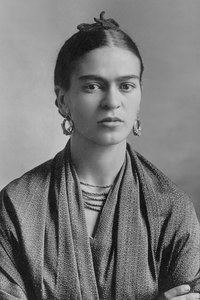
Frida Kahlo
1907 - 1954 , mexico
Kurzinfos
- Beeinflusste Künstler: ['Diego Rivera']
- Bemerkenswerte Werke:
- Die Zwei Fridas
- Selbstporträt mit Durndornkrone
- Der gebrochene Säule
- Henry Ford Krankenhaus
- Viva la Vida
- Geburtsdatum: 06. Juli 1907
- Geburtsort: Coyoacán, Mexiko
- Künstlerische Richtung: Surrealismus, Realismus
- Nationalität: Mexikanisch
- Sterbedatum: 1954
- Vollständiger Name: Frida Kahlo
- Von Künstlern Beeinflusst:
- Mexikanische Volkskunst
- Europäische Renaissance
Ähnliche Artikel

Vibrant Colors & Deep Soul: A Journey Through the Emotional Landscapes of Iconic Mexican Art
Embark on a visual journey through the vibrant colors and profound symbolism of iconic Mexican art. Explore the emotional depth of Frida Kahlo and other masters through our expert cultural analysis and premium hand-painted reproductions.


