


 Vorschau anzeigen
 Versenden
 Teilen
 Details anzeigen
 Leitfaden

 Herunterladen
 Ähnliche Objekte
 Röntgenaufnahme
 Diashow
 Q&A
Q&A Statistiken
Blätter, Farbe Licht

 Weiterlesen
Die auf dieser Seite dargestellten Kunstwerke sind urheberrechtlich geschützt, was bedeutet, dass wir keine identische Reproduktion rechtmäßig erstellen oder verkaufen dürfen. Dieser Schutz wird durch internationale Abkommen wie die Berner Übereinkunft und durch nationale Gesetze, einschließlich derer, die von den US-Urheberrecht – Titel 17.
Diese Methode entspricht vollumfänglich den Urheberrechtsbestimmungen, da sie keine Kopie oder Vervielfältigung des geschützten Kunstwerks darstellt. Stattdessen handelt es sich um eine kreative Neuinterpretation – ein neues Gemälde, das vom Original inspiriert, aber nicht identisch mit ihm ist.
Giclée / Kunstdruck
Giclée- oder Leinwanddruck in Museumsqualität mit schneller Produktion und flexiblen Veredelungsoptionen. ( Handgemalte Reproduktion bestellen Zum digitalen Bild wechseln)




































Wählen Sie aus unseren vordefinierten Formaten, die den ursprünglichen Proportionen des Kunstwerks entsprechen.

Geben Sie die benötigte Breite und Höhe an, damit der Druck perfekt in Ihren Rahmen oder an Ihre Wand passt. Ein Druck kann nur beschnitten, aber niemals größer als das Originalbild angefertigt werden; daher verliert ein Format mit anderen Proportionen einen Teil des Bildes. Wir senden Ihnen ein digitales Mockup zur Freigabe, bevor wir den Druck ausführen. Das auf dieser Seite gezeigte Bild zeigt nicht den tatsächlichen Beschnitt – dies ist nur im Mockup ersichtlich.
Weltweiter Versand () innerhalb von 2 Wochen statt der üblichen 4/5 Wochen. (30 Oktober)

Kostenloser weltweiter Expressversand

Hochwertige Leinenleinwand

Umfassender Versicherungsschutz beim Versand

Zollgebühren-Rückerstattungsgarantie

Garantie für exakte Farbtreue

100 Tage Rückgaberecht (nur bei Mängeln)

100% Geld-zurück-Garantie

Mengenrabatt verfügbar
 Die Glasoption ist nur für Größen unter 110 cm verfügbar.

Blätter, Farbe Licht
Giclée / Kunstdruck
Format der Reproduktion
-


Endpreis
€ 57
A Symphony in Monochrome – Georges Braque’s Exploration of Form
Georges Braque’s “Vase of Flowers,” painted circa 1917-1918, stands as a cornerstone of Cubist aesthetics and a testament to the artist's unwavering commitment to dissecting and reconstructing visual reality. Emerging from the crucible of artistic experimentation that defined the First World War era, this deceptively simple composition transcends mere representation; it’s an invitation into a profound meditation on perception itself.
- Subject Matter: The centerpiece is a ceramic vase adorned with a profusion of blossoms—primarily lilies and roses—creating a vibrant counterpoint to the predominantly muted palette.
- Style: Braque’s Cubist approach abandons traditional illusionistic perspective, fracturing the vase and flowers into geometric planes that overlap and intersect simultaneously. This fragmentation isn't random; it’s meticulously calculated to convey multiple viewpoints of the same object at once.
Technique – Precision and Texture Amidst Geometric Fragmentation
Braque employed a masterful technique characterized by painstaking precision and subtle textural variations. He utilized oil paints applied with thick impasto—a technique involving applying paint in textured layers—to imbue the vase’s surface with palpable physicality. Careful brushstrokes delineate the planes of color, creating a visual rhythm that guides the eye across the canvas.
- Color Palette: Dominated by shades of gray, beige, and ochre, the palette deliberately eschews bright hues, reflecting the somber mood prevalent during wartime. However, flashes of pale yellow and pink subtly illuminate certain blossoms, hinting at underlying warmth.
- Brushwork: The artist’s brushstrokes are deliberate and controlled, emphasizing the geometric forms while simultaneously conveying a sense of organic texture—a paradoxical juxtaposition that underscores Braque's core artistic philosophy.
Historical Context – Cubism as Response to Trauma
Cubism arose in Paris during World War I as a reaction against Impressionistic idealism and academic conventions. Artists like Picasso and Braque sought to capture the fragmented experience of modern life—the disorientation and uncertainty engendered by conflict—through geometric abstraction. “Vase of Flowers” embodies this spirit, mirroring the anxieties of its time while simultaneously elevating artistic expression beyond mere depiction.
- Influence: The painting draws inspiration from Cézanne’s explorations of sculptural form and anticipates developments in Futurism and Constructivism—movements that would further propel abstraction into the mainstream.
- Reaction to War: Braque's deliberate use of monochrome reflects a broader artistic preoccupation with confronting difficult emotions and challenging established aesthetic norms during a period marked by profound upheaval.
Symbolism – Beyond Representation; An Invitation to Contemplation
While ostensibly depicting flowers, “Vase of Flowers” operates on multiple symbolic levels. Lilies traditionally represent purity and resurrection—themes resonant with Christian iconography—suggesting a spiritual dimension beneath the surface. The vase itself symbolizes stability and containment, juxtaposed against the fractured planes of color to convey an ambivalent message about permanence and transformation.
- Geometric Forms: The geometric shapes—cubes, cylinders, and cones—represent not only spatial relationships but also intellectual rigor and a desire to transcend subjective experience.
- Emotional Impact: Ultimately, Braque’s masterpiece invites viewers into a contemplative state—encouraging them to consider the complexities of perception and the enduring power of artistic abstraction.
Fragen & Antworten
Welcher Raum eignet sich aufgrund der Farben von "Blätter, Farbe Licht" von Georges Braque am besten?
Aufgrund seiner Erdig Farben wird „Blätter, Farbe Licht“ für ein Wohnbereich empfohlen.
Für welche Verwendung wird "Blätter, Farbe Licht" von Georges Braque empfohlen?
Die empfohlene Verwendung eines Drucks von „Blätter, Farbe Licht“ ist Akzentuierung.
Ist ein hochauflösender Download von "Blätter, Farbe Licht" verfügbar?
Um eine digitale Datei von "Blätter, Farbe Licht" von Georges Braque zu erhalten, bestellen Sie hochauflösender digitaler Bild-Download auf der Seite Digitales Kunstwerk.
Ähnliche Kunstwerke


Künstlerbiografie
**frühes Leben und Ausbildung**
Georges Braque, ein prominenter französischer Maler, Kollagist, Bleistrichzeichner, Grafiker und Bildhauer, wurde am 13. Mai 1882 in Argenteuil, Val-d'oise, geboren. Er wuchs in Le Havre auf und erhielt zunächst eine Ausbildung als Hausmaler und Dekorateur wie sein Vater und Großvater. Braques künstlerische Neigungen führten ihn jedoch dazu, von 1897 bis 1899 an der École des Beaux-Arts in Le Havre Malerei zu studieren.**Künstlerische Entwicklung und Fauvisme**
Im Jahr 1902, nachdem er seine Lehre bei einem Dekorateur in Paris abgeschlossen hatte, besuchte Braque bis 1904 die Académie Humbert. Dieser Zeitraum markierte seine Einführung ins Fauvismus, einen Stil, der durch lebendige Farben und emotionale Reaktionen gekennzeichnet ist. Beeinflusst von den Werken von Henri Matisse und André Derain, übernahm Braque einen fauvistischen Ansatz, wie in seinem Gemälde The Patience (Fauvismus, Öl auf Leinwand).**Beitrag zum Kubismus**
Braques Zusammenarbeit mit Pablo Picasso von 1908 bis 1912 führte zur Entwicklung des Kubismus. Ihre analytischen kubistischen Werke, wie z.B. Georges Braque: The Patience und Pablo Picasso: Clarinet(analytischer Kubismus, Öl auf Leinwand), gelten heute als Meilensteine der Kunstgeschichte.**Erbe und bemerkenswerte Werke**
* Houses at L'Estaques: Ein Zeugnis für Braques innovatives Einsatz von Geometrie und simultaner Perspektive. * The Patience(Fauvismus, Öl auf Leinwand): Demonstriert Braques fauvistischen Stil. * Clarinet(analytischer Kubismus, Öl auf Leinwand): Eine kollaborative kubistische Arbeit mit Picasso.**Museen und Sammlungen**
* Musée d'Orsay: Bietet eine umfangreiche Sammlung impressionistischer und postimpressionistischer Kunst, darunter Werke von Braque. * Musée de l'Orangerie: Zeigt eine breite Palette von Kunstwerken, darunter Werke von Braque und anderen bedeutenden Künstlern.- Erfahren Sie mehr über Georges Braques Leben und Werk auf AllPaintingsStore.com
- Entdecken Sie die Sammlung des Musée d'Orsay, die Werke von Braque und anderen Künstlern umfasst, unter Musée d'Orsay - Wikipedia
- Erfahren Sie mehr über den Fauvismus und seinen Einfluss auf die Entwicklung des Kubismus mit Fauvismus Kunstbewegung auf AllPaintingsStore.com
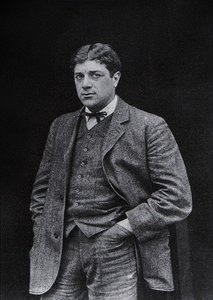
Georges Braque
1882 - 1963 , Frankreich
Kurzinfos
- Beeinflusste Künstler: ['Pablo Picasso']
- Bemerkenswerte Werke:
- Häuser in L'Estaque
- Die Geduld (Fauvismus)
- Stillleben mit Pfeife
- Mandola
- Einflussreiche Künstler:
- Henri Matisse
- André Derain
- Paul Cézanne
- Geburtsdatum: 13. Mai 1882
- Geburtsort: Argenteuil, Frankreich
- Künstlerischer Stil: Kubismus, Fauvismus
- Nationalität: Französisch
- Sterbedatum: 1963
- Vollständiger Name: Georges Braque
Ähnliche Artikel

Cubism Unveiled: How Picasso and Braque Redefined Modern Art through Geometric Revolution
Explore the revolutionary world of Cubism. Discover how Pablo Picasso and Georges Braque dismantled perspective to redefine modern art through geometric innovation and analytical mastery. An essential guide for art students, collectors, and history enthusiasts.

Georges Braque: Pionier des Kubismus und die Evolution moderner Formensprache
Entdecken Sie Georges Braques revolutionären Einfluss auf den Kubismus und die moderne Kunstgeschichte. Expertenanalyse seiner Formensprache, Werke & Bedeutung. Jetzt lesen!
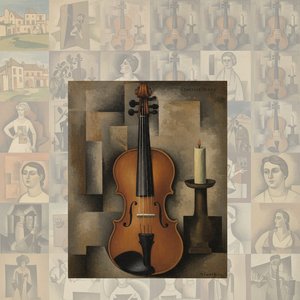
Georges Braque: Die 25 Meisterwerke des Kubismus für Ihr Zuhause | AllPaintingsStore
Entdecken Sie die 25 bedeutendsten Kunstwerke von Georges Braque – vom Kubismus bis zum Fauvismus. Erfahren Sie die Geschichten hinter den Meisterwerken und finden Sie hochwertige Reproduktionen für Ihr Zuhause auf AllPaintingsStore.com.

Cubism Unveiled: How Picasso and Braque Redefined Reality Through Geometric Abstraction
Explore the revolutionary world of Cubism. Discover how masters Pablo Picasso and Georges Braque dismantled reality through geometric abstraction to redefine modern art history.

Georges Seurat: Die 25 Meisterwerke des Pointillismus für Ihr Zuhause | AllPaintingsStore
Entdecken Sie die 25 ikonischsten Meisterwerke von Georges Seurat! Tauchen Sie ein in die Welt des Pointillismus, der Farbtheorie und des Impressionismus. Hochwertige Kunst reproduzieren für Ihr Zuhause – jetzt auf AllPaintingsStore.com!


