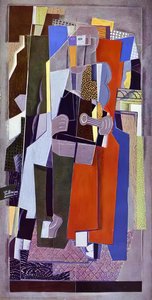
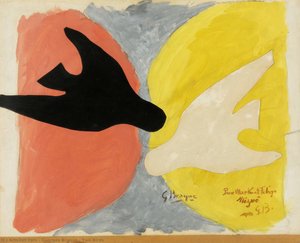
In echtem Maßstab anzeigen
 Versenden
 Teilen
 Details anzeigen

 Herunterladen
 Ähnliche Objekte
 Röntgenaufnahme
 Diashow starten
Cabines

 Mehr anzeigen
Giclée / Kunstdruck
Giclée- oder Leinwanddruck in Museumsqualität mit schneller Produktion und flexiblen Veredelungsoptionen. ( Zur handgemalten Reproduktion wechseln Zum Bild wechseln)




































Wählen Sie aus unseren vordefinierten Formaten, die den ursprünglichen Proportionen des Kunstwerks entsprechen.

Sie können Ihre eigenen Maße eingeben, um ein bestimmtes Format oder einen speziellen Platz einzupassen. Wenn das von Ihnen gewählte Format nicht den Proportionen des Originalbildes entspricht, werden wir das Kunstwerk entweder beschneiden oder das Bild mit einem gespiegelten oder einfarbigen Rand erweitern. Ein digitaler Entwurf wird Ihnen zur Genehmigung zugesandt, bevor die Produktion beginnt.
Bitte beachten Sie, dass die Vorschau auf dem Bildschirm nicht den tatsächlichen Zuschnitt oder die Erweiterung widerspiegelt. Nur der Entwurf zeigt die endgültige Komposition präzise an.
Obwohl Sondermaße verfügbar sind, empfehlen wir die Auswahl eines Maßes aus der vordefinierten Liste, um die ursprünglichen Proportionen zu bewahren.
Weltweiter Versand () innerhalb von 2 Wochen statt der üblichen 4/5 Wochen. (3 August)

Kostenloser weltweiter Expressversand

Hochwertige Leinenleinwand

Vollumfänglicher Versicherungsschutz beim Versand

Zollgebühren-Rückerstattungsgarantie

Garantie für exakte Farbtreue

60 Tage Rückgaberecht (nur bei Mängeln)

100% Geld-zurück-Garantie

Angebot für Mengenrabatt
 Die Glasoption ist nur in Größen unter 110 cm verfügbar.

Cabines
Giclée / Kunstdruck
Format der Reproduktion
-


Gesamtpreis
$ 64
Objektbeschreibung
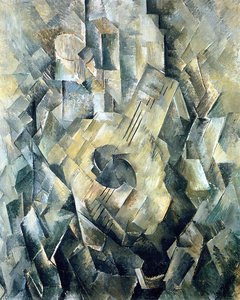
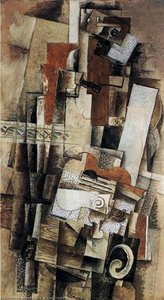
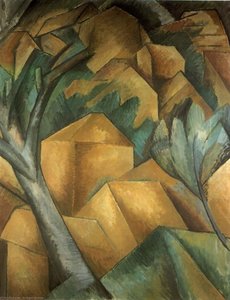
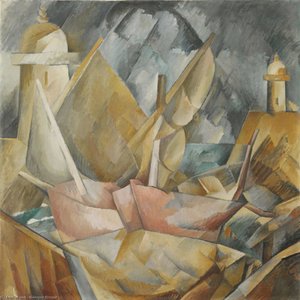
Georges Braque’s “Cabines”: A Fragmented Reflection of Modern Existentialism
The painting "Cabines" by Georges Braque stands as a cornerstone of Cubist art, embodying the movement's radical departure from representational conventions and delving into profound explorations of perception and psychological space. Executed in 1907, this deceptively simple composition—a depiction of cabins nestled against a rocky outcrop beneath a brooding sky—holds within it layers of intellectual and artistic significance that continue to resonate with viewers today.The Cubist Breakthrough: Deconstructing Reality
Cubism emerged from the Parisian avant-garde in the early 1900s as a reaction against Impressionism’s focus on capturing fleeting moments of light and color. Artists like Braque, Pablo Picasso, Juan Gris, and Fernand Léger sought to transcend illusionistic representation by fracturing objects into geometric planes—cubes, cylinders, and cones—and presenting multiple viewpoints simultaneously. “Cabines” exemplifies this core principle perfectly. Rather than striving for a single accurate depiction of the scene, Braque dismantles the visual world into fragmented forms that challenge our ingrained assumptions about how we perceive reality. This deliberate distortion isn’t merely stylistic; it reflects a broader philosophical preoccupation with dismantling traditional notions of unity and stability.A Palette of Shadows: Color and Texture
The painting's subdued color palette—dominated by shades of gray, brown, and black—contributes significantly to its melancholic mood. Braque eschews vibrant hues in favor of tonal variations that emphasize texture and materiality. Thick brushstrokes are applied across the cliff face and boat, creating a palpable sense of roughness and solidity. These textured surfaces aren’t merely decorative; they serve as conduits for conveying emotional resonance—a feeling of isolation and vulnerability against the backdrop of an indifferent universe. The dark sky mirrors the muted tones below, reinforcing the painting's atmosphere of quiet contemplation.Symbolism Within Fragmentation: Cabinets as Vessels of Thought
The cabins themselves are more than just architectural elements; they function symbolically as representations of enclosed spaces—both physical and psychological. They evoke images of refuge, confinement, and introspection – themes central to existentialist thought prevalent during Braque’s time. The angular shapes of the cabins disrupt the harmonious contours of the landscape, mirroring the fractured nature of human consciousness. Each cabin can be interpreted as a microcosm of the individual experience, grappling with questions of identity and purpose amidst an overwhelming external world.Legacy and Influence: Shaping Modern Art
“Cabines” solidified Braque’s position as a pivotal figure in Cubist innovation and profoundly impacted subsequent artistic developments. Its influence extends beyond painting into sculpture and architecture, demonstrating the transformative power of geometric abstraction. By prioritizing form over color and embracing multiple perspectives, Braque paved the way for movements like Constructivism and Surrealism, establishing a lasting legacy as one of the most influential artists of the 20th century. It remains a compelling testament to the ability of art to grapple with complex philosophical ideas while simultaneously captivating viewers with its masterful execution and evocative visual language.


Künstlerbiografie
**frühes Leben und Ausbildung**
Georges Braque, ein prominenter französischer Maler, Kollagist, Bleistrichzeichner, Grafiker und Bildhauer, wurde am 13. Mai 1882 in Argenteuil, Val-d'oise, geboren. Er wuchs in Le Havre auf und erhielt zunächst eine Ausbildung als Hausmaler und Dekorateur wie sein Vater und Großvater. Braques künstlerische Neigungen führten ihn jedoch dazu, von 1897 bis 1899 an der École des Beaux-Arts in Le Havre Malerei zu studieren.**Künstlerische Entwicklung und Fauvisme**
Im Jahr 1902, nachdem er seine Lehre bei einem Dekorateur in Paris abgeschlossen hatte, besuchte Braque bis 1904 die Académie Humbert. Dieser Zeitraum markierte seine Einführung ins Fauvismus, einen Stil, der durch lebendige Farben und emotionale Reaktionen gekennzeichnet ist. Beeinflusst von den Werken von Henri Matisse und André Derain, übernahm Braque einen fauvistischen Ansatz, wie in seinem Gemälde The Patience (Fauvismus, Öl auf Leinwand).**Beitrag zum Kubismus**
Braques Zusammenarbeit mit Pablo Picasso von 1908 bis 1912 führte zur Entwicklung des Kubismus. Ihre analytischen kubistischen Werke, wie z.B. Georges Braque: The Patience und Pablo Picasso: Clarinet(analytischer Kubismus, Öl auf Leinwand), gelten heute als Meilensteine der Kunstgeschichte.**Erbe und bemerkenswerte Werke**
* Houses at L'Estaques: Ein Zeugnis für Braques innovatives Einsatz von Geometrie und simultaner Perspektive. * The Patience(Fauvismus, Öl auf Leinwand): Demonstriert Braques fauvistischen Stil. * Clarinet(analytischer Kubismus, Öl auf Leinwand): Eine kollaborative kubistische Arbeit mit Picasso.**Museen und Sammlungen**
* Musée d'Orsay: Bietet eine umfangreiche Sammlung impressionistischer und postimpressionistischer Kunst, darunter Werke von Braque. * Musée de l'Orangerie: Zeigt eine breite Palette von Kunstwerken, darunter Werke von Braque und anderen bedeutenden Künstlern.- Erfahren Sie mehr über Georges Braques Leben und Werk auf AllPaintingsStore.com
- Entdecken Sie die Sammlung des Musée d'Orsay, die Werke von Braque und anderen Künstlern umfasst, unter Musée d'Orsay - Wikipedia
- Erfahren Sie mehr über den Fauvismus und seinen Einfluss auf die Entwicklung des Kubismus mit Fauvismus Kunstbewegung auf AllPaintingsStore.com
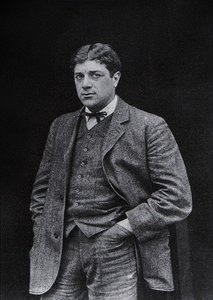
Georges Braque
1882 - 1963 , Frankreich
Eckdaten zum Künstler
- Beeinflusste Künstler: ['Pablo Picasso']
- Bemerkenswerte Werke:
- Häuser in L'Estaque
- Die Geduld (Fauvismus)
- Stillleben mit Pfeife
- Mandola
- Einflussreiche Künstler:
- Henri Matisse
- André Derain
- Paul Cézanne
- Geburtsdatum: 13. Mai 1882
- Geburtsort: Argenteuil, Frankreich
- Künstlerischer Stil: Kubismus, Fauvismus
- Nationalität: Französisch
- Sterbedatum: 1963
- Vollständiger Name: Georges Braque
Verwandte Artikel

Deconstructing Reality: Cubism's Revolutionary Impact on 20th-Century Art
Explore the revolutionary world of Cubism with AllPaintingsStore. Discover Picasso & Braque's groundbreaking techniques, its philosophical roots, and lasting impact on modern art. Expert insights for collectors.

Die 10 Meisterwerke des Kubismus: Kunst für Ihr Zuhause | AllPaintingsStore
Entdecken Sie die 10 bedeutendsten Meisterwerke des Kubismus von Picasso, Braque & Gris! Erfahren Sie mehr über Kunstgeschichte, Techniken und Farben. Hochwertige Kunstdrucke auf AllPaintingsStore.com – für stilvolle Wandgestaltung.
Die 10 Meisterwerke des Kubismus: Kunstgeschichte für Ihr Zuhause |
Entdecken Sie die 10 prägendsten Meisterwerke des Kubismus! Von Picasso bis Braque – erfahren Sie die Geschichten hinter ikonischen Gemälde und lassen Sie sich von moderner Kunst inspirieren. Kunstreproduktionen in Museumsqualiät auf .

Kubismus: Die 10 Meisterwerke, die eine Revolution definierten | AllPaintingsStore
Entdecken Sie die 10 Meisterwerke des Kubismus! Von Picasso bis Braque – erleben Sie die Revolution abstrakter Kunst. Kunstdrucke & Wandbilder für Ihr Zuhause auf AllPaintingsStore.com.
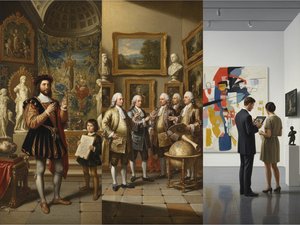
The Patron's Gaze: Art Collectors in Western Painting – A Renaissance to Modern History
Explore the fascinating history of art collectors in Western painting, from Renaissance patrons to modern museum founders. Discover how portraits revealed status, shaped artistic movements & built lasting legacies. Expert insights at AllPaintingsStore.