


 Vorschau anzeigen
 Versenden
 Teilen
 Details anzeigen
 Leitfaden

 Herunterladen
 Ähnliche Objekte
 Röntgenaufnahme
 Diashow
 Q&A
Q&A Statistiken
Pitcher Und Vogel


 Weiterlesen
Die auf dieser Seite dargestellten Kunstwerke sind urheberrechtlich geschützt, was bedeutet, dass wir keine identische Reproduktion rechtmäßig erstellen oder verkaufen dürfen. Dieser Schutz wird durch internationale Abkommen wie die Berner Übereinkunft und durch nationale Gesetze, einschließlich derer, die von den US-Urheberrecht – Titel 17.
Diese Methode entspricht vollumfänglich den Urheberrechtsbestimmungen, da sie keine Kopie oder Vervielfältigung des geschützten Kunstwerks darstellt. Stattdessen handelt es sich um eine kreative Neuinterpretation – ein neues Gemälde, das vom Original inspiriert, aber nicht identisch mit ihm ist.
Giclée / Kunstdruck
Giclée- oder Leinwanddruck in Museumsqualität mit schneller Produktion und flexiblen Veredelungsoptionen. ( Handgemalte Reproduktion bestellen Zum digitalen Bild wechseln)




P118B €10

P118H €10

P118W €10

P438Z €10

P508JH €12

P508YH €12

P805H €10

P805Z €10

P919BZ €10

P919G €10

P919XJ €10

P959ZH €10

P968JZ €12

W106C €8

W218G €10

W218JH €8

W218Y €10

W307PJ €10

W316G €10

W316PJ €8

W316Y €10

W398PJ €8

W4111J €10

W500HY €15

W500JH €15

W692G €12

W849H €8

W940BG €15

W953PJ €8




Wählen Sie aus unseren vordefinierten Formaten, die den ursprünglichen Proportionen des Kunstwerks entsprechen.

Geben Sie die benötigte Breite und Höhe an, damit der Druck perfekt in Ihren Rahmen oder an Ihre Wand passt. Ein Druck kann nur beschnitten, aber niemals größer als das Originalbild angefertigt werden; daher verliert ein Format mit anderen Proportionen einen Teil des Bildes. Wir senden Ihnen ein digitales Mockup zur Freigabe, bevor wir den Druck ausführen. Das auf dieser Seite gezeigte Bild zeigt nicht den tatsächlichen Beschnitt – dies ist nur im Mockup ersichtlich.
Weltweiter Versand () innerhalb von 2 Wochen statt der üblichen 4/5 Wochen. (29 Oktober)

Kostenloser weltweiter Expressversand

Hochwertige Leinenleinwand

Umfassender Versicherungsschutz beim Versand

Zollgebühren-Rückerstattungsgarantie

Garantie für exakte Farbtreue

100 Tage Rückgaberecht (nur bei Mängeln)

100% Geld-zurück-Garantie

Mengenrabatt verfügbar
 Die Glasoption ist nur für Größen unter 110 cm verfügbar.

Pitcher Und Vogel
Giclée / Kunstdruck
Format der Reproduktion
-


Endpreis
€ 56
Eine fragmentierte Reflexion der Moderne
In der stillen, kontemplativen Welt von Georges Braques „Pitcher Und Vogel“ begegnen wir weit mehr als einer bloßen Anordnung von Objekten; wir treten ein in eine tiefgründige Meditation über das Wesen der Wahrnehmung selbst. Diese meisterhafte Lithografie, entstanden um 1955, dient als eindringliches Fenster zum Herzen des Kubismus – einer Bewegung, welche die traditionellen Grenzen der Kunst auflöste, um die Realität durch eine gebrochene Linse neu zu konstruieren. Die Komposition konzentriert sich auf ein täuschend einfaches Paar – einen Krug und einen Vogel – doch durch Braques visionäre Hand werden diese vertrauten Elemente in einen komplexen Tanz aus geometrischen Ebenen und überlagernden Schatten verwandelt. Es ist ein Kunstwerk, das uns nicht nur zum bloßen Hinsehen auffordert, sondern dazu, die strukturelle Essenz unter der Oberfläche des Alltäglichen wahrhaftig zu erkennen.
Die in diesem Werk angewandte Technik offenbart Braques unvergleichliche Fähigkeit, Tonwertbereiche und Texturen zu manipulieren. Durch die Nutzung der Lithografie erreicht der Künstler eine Tiefe, die fast skulptural anmutt, und fängt die haptische Seele seiner ursprünglichen Ölgemälde ein. Die Farbpalette ist eine anspruchsvolle Studie der Zurückhaltung, dominiert von gedämpften Brauntönen, Anthrazitgrau, tiefem Schwarz und subtilen Hauch von Beige. Dieses ernste, erdige Farbschema verzichtet auf die lebhaften, emotionalen Ausbrüche der Fauvisten und entscheidet sich stattdanc für eine Atmosphäre intellektueller Stille. In der Art und Weise, wie die scharfen, definierenden Linien der geometrischen Formen mit weicheren, fließenderen Kurven interagieren, die an die zarte Bewegung eines Flügels erinnern, liegt eine rhythmische Eleganz, die eine Spannung zwischen Stabilität und Bewegung erzeugt.
Die Architektur der Vision
„Pitcher Und Vogel“ zu betrachten bedeutet, den revolutionären Geist des Kubismus unmittelbar zu erleben. Braque suchte gemeinsam mit seinem Zeitgenossen Pablo Picasso die trügerische Illusion der linearen Perspektive abzulehnen, welche die westliche Kunst seit der Renaissance dominiert hatte. Stattdessen umarmt er einen flachen, mehrdimensionalen Raum, in dem mehrere Blickwinkel gleichzeitig existieren. Die Komposition ist bewusst asymmetrisch gestaltet; sie fordert das Gleichgewicht des Betrachters heraus und lädt das Auge ein, durch ein Labyrinth aus sich kreuzenden Dreiecken, Rechtecken und Kreisen zu wandern. Diese Ablehnung traditioneller Tiefe erzeugt eine dynamische Energie, als ob die Objekte gleichzeitig aus verschiedenen Winkeln betrachtet würden, wodurch die flüchtige Essenz eines in der Zeit eingefrorenen Augenblicks festgehalten wird.
Für den anspruchsvollen Sammler oder Innenarchitekten bietet dieses Kunstwerk eine zeitlose Raffinesse, die über flüchtige Trends hinausgeht. Seine gedämpften Töne und seine strukturelle Komplexität machen es zu einem idealen Mittelpunkt für Räume, die intellektuelle Tiefe und dezenten Luxus schätzen. Ob in einer minimalistischen modernen Galerie oder in einem reich texturierten klassischen Arbeitszimmer platziert – das Werk bildet einen Fokuspunkt stiller Stärke. Es beschwört Themen der Häuslichkeit und der Natur herauf, doch seine abstrakte Ausführung lässt endlose persönliche Interpretationen zu. Der Besitz einer hochwertigen Reproduktion eines solch bedeutenden Werkes ist nicht bloß ein Akt der Dekoration; es ist eine Einladung, sich mit dem bleibenden Erbe eines der größten Architekten der Form des zwanzigsten Jahrhunderts zu umgeben.
Fragen & Antworten
Aus welchen Materialien besteht "Pitcher Und Vogel" und in welchem Stil ist es gehalten?
"Pitcher Und Vogel" von Georges Braque verbindet die Technik der Lithografie mit dem Stil der Cubist Style. Technik und Epoche beschreiben die Herstellung sowie die künstlerische Ausrichtung des Werkes.
Wie hell ist "Pitcher Und Vogel" insgesamt?
Was die wahrgenommene Helligkeit betrifft, so ist "Pitcher Und Vogel" von Georges Braque hell.
Welchen Stellenwert nimmt "Pitcher Und Vogel" innerhalb der Cubist Style ein?
Innerhalb der Cubist Style-Strömung weist „Pitcher Und Vogel“ ein Ikonisch Bekanntheitsniveau auf.
Ähnliche Kunstwerke


Künstlerbiografie
**frühes Leben und Ausbildung**
Georges Braque, ein prominenter französischer Maler, Kollagist, Bleistrichzeichner, Grafiker und Bildhauer, wurde am 13. Mai 1882 in Argenteuil, Val-d'oise, geboren. Er wuchs in Le Havre auf und erhielt zunächst eine Ausbildung als Hausmaler und Dekorateur wie sein Vater und Großvater. Braques künstlerische Neigungen führten ihn jedoch dazu, von 1897 bis 1899 an der École des Beaux-Arts in Le Havre Malerei zu studieren.**Künstlerische Entwicklung und Fauvisme**
Im Jahr 1902, nachdem er seine Lehre bei einem Dekorateur in Paris abgeschlossen hatte, besuchte Braque bis 1904 die Académie Humbert. Dieser Zeitraum markierte seine Einführung ins Fauvismus, einen Stil, der durch lebendige Farben und emotionale Reaktionen gekennzeichnet ist. Beeinflusst von den Werken von Henri Matisse und André Derain, übernahm Braque einen fauvistischen Ansatz, wie in seinem Gemälde The Patience (Fauvismus, Öl auf Leinwand).**Beitrag zum Kubismus**
Braques Zusammenarbeit mit Pablo Picasso von 1908 bis 1912 führte zur Entwicklung des Kubismus. Ihre analytischen kubistischen Werke, wie z.B. Georges Braque: The Patience und Pablo Picasso: Clarinet(analytischer Kubismus, Öl auf Leinwand), gelten heute als Meilensteine der Kunstgeschichte.**Erbe und bemerkenswerte Werke**
* Houses at L'Estaques: Ein Zeugnis für Braques innovatives Einsatz von Geometrie und simultaner Perspektive. * The Patience(Fauvismus, Öl auf Leinwand): Demonstriert Braques fauvistischen Stil. * Clarinet(analytischer Kubismus, Öl auf Leinwand): Eine kollaborative kubistische Arbeit mit Picasso.**Museen und Sammlungen**
* Musée d'Orsay: Bietet eine umfangreiche Sammlung impressionistischer und postimpressionistischer Kunst, darunter Werke von Braque. * Musée de l'Orangerie: Zeigt eine breite Palette von Kunstwerken, darunter Werke von Braque und anderen bedeutenden Künstlern.- Erfahren Sie mehr über Georges Braques Leben und Werk auf AllPaintingsStore.com
- Entdecken Sie die Sammlung des Musée d'Orsay, die Werke von Braque und anderen Künstlern umfasst, unter Musée d'Orsay - Wikipedia
- Erfahren Sie mehr über den Fauvismus und seinen Einfluss auf die Entwicklung des Kubismus mit Fauvismus Kunstbewegung auf AllPaintingsStore.com
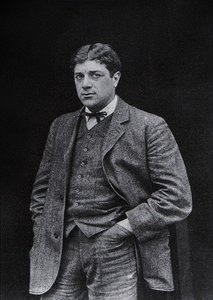
Georges Braque
1882 - 1963 , Frankreich
Kurzinfos
- Beeinflusste Künstler: ['Pablo Picasso']
- Bemerkenswerte Werke:
- Häuser in L'Estaque
- Die Geduld (Fauvismus)
- Stillleben mit Pfeife
- Mandola
- Einflussreiche Künstler:
- Henri Matisse
- André Derain
- Paul Cézanne
- Geburtsdatum: 13. Mai 1882
- Geburtsort: Argenteuil, Frankreich
- Künstlerischer Stil: Kubismus, Fauvismus
- Nationalität: Französisch
- Sterbedatum: 1963
- Vollständiger Name: Georges Braque
Ähnliche Artikel

Synthetic Cubism Explained: A Professional Guide to Texture, Collage, and Geometric Abstraction for Modern Interior Design
Master the use of Synthetic Cubism in modern hospitality design. Our expert guide explores texture, collage, and geometric abstraction to help designers source premium, large-scale oil reproductions for hotels and corporate spaces with professional reliability.

Cubism Explained: A Professional Guide to Geometric Abstraction for Modern Interior Design
Master the impact of Cubism in modern design. Our expert guide explores geometric abstraction, Picasso's legacy, and professional solutions for sourcing high-quality Cubist reproductions for hotels, corporate spaces, and luxury interiors.


