


 In echtem Maßstab anzeigen
 Versenden als Grußkarte
 Teilen
 Details anzeigen
 Leitfaden öffnen

 Herunterladen
 Ähnliche Objekte
 Röntgenaufnahme
 Diashow
 Besucherstatistiken
The Studio (III)
 Oil On Canvas
- WallArt
- Cubist Still Life
 1949
1949- Modern
 144.0 x 174.0 cm
 Mehr anzeigen
Die auf dieser Seite dargestellten Kunstwerke sind urheberrechtlich geschützt, was bedeutet, dass wir keine identische Reproduktion rechtmäßig erstellen oder verkaufen dürfen. Dieser Schutz wird durch internationale Abkommen wie die Berner Übereinkunft und durch nationale Gesetze, einschließlich derer, die von den ... festgelegt wurden US-Urheberrecht – Titel 17.
Als respektvolle und rechtlich einwandfreie Alternative bieten wir individuelle, handgemalte Kunstwerke an, die vom Original inspiriert sind. Unsere geschickten und professionellen Künstler studieren sorgfältig den Stil, die Stimmung und das künstlerische Wesen des Originals, um ein neues, einzigartiges Werk zu schaffen, das dasselbe Gefühl hervorruft – während es zugleich eine eigenständige Originalschöpfung bleibt.
Diese Methode entspricht vollumfänglich den Urheberrechtsbestimmungen, da sie keine Kopie oder Vervielfältigung des geschützten Kunstwerks darstellt. Stattdessen handelt es sich um eine kreative Neuinterpretation – ein neues Gemälde, das vom Original inspiriert, aber nicht identisch mit ihm ist.
Handgefertigte Ölreproduktion
Handgemaltes Ölgemälde auf Leinwand in Ihrer Wunschgröße und mit Rahmen, auf Bestellung von unseren Künstlern angefertigt. ( Zum Druck wechseln Zum digitalen Bild wechseln)




P118B €10

P118H €10

P118W €10

P438Z €10

P508JH €12

P508YH €12

P805H €10

P805Z €10

P919BZ €10

P919G €10

P919XJ €10

P959ZH €10

P968JZ €12

W106C €8

W218G €10

W218JH €8

W218Y €10

W307PJ €10

W316G €10

W316PJ €8

W316Y €10

W398PJ €8

W4111J €10

W500HY €15

W500JH €15

W692G €12

W849H €8

W940BG €15

W953PJ €8




Wählen Sie aus unseren vordefinierten Formaten, die den ursprünglichen Proportionen des Kunstwerks entsprechen.

Sie können Ihre eigenen Maße eingeben, um einen bestimmten Rahmen oder Platz auszufüllen. Wenn die gewählte Größe nicht den Proportionen des Originalbildes entspricht, werden wir das Kunstwerk entweder beschneiden oder das Gemälde durch zusätzliche, handgemalte Elemente erweitern. Ein digitales Mockup wird Ihnen zur Genehmigung zugesandt, bevor die Produktion beginnt.
Bitte beachten Sie, dass die Bildschirmvorschau nicht die tatsächliche Beschneidung oder Erweiterung widerspiegelt. Nur das Mockup zeigt die endgültige Komposition exakt an.
Obwohl Sondermaße verfügbar sind, empfehlen wir, eine Größe aus der vordefinierten Liste zu wählen, um die ursprünglichen Proportionen beizubehalten.
Nach der Bestellung wird das AllPaintingsStore.com-Team dem Kunden Anweisungen per E-Mail zusenden und eine Mockup-Vorschau bereitstellen.
Weltweiter Versand () in nur 3 bis 4 Wochen statt der üblichen 5 Wochen. (11 Oktober). Keine Kompromisse bei der Qualität.

Kostenloser weltweiter Expressversand

Hochwertige Leinenleinwand

Vollständiger Versicherungsschutz beim Versand

Zollgebühren-Rückerstattungsgarantie

Garantie für exakte Farbtreue

100-tägiges Rückgaberecht (nur bei Mängeln)

100% Geld-zurück-Garantie

Angebot für Mengenrabatt
 Die Glasoption ist nur für Größen unter 110 cm verfügbar.

The Studio (III)
Reproduktionsmedium
Format der Reproduktion
-


Gesamtpreis
€ 222
Georges Braque’s “The Studio (III)” – A Fragmented Reflection of Artistic Innovation
“The Studio (III),” painted in 1949 by Georges Braque, stands as a cornerstone of Cubist aesthetics and a poignant emblem of the artist's evolving exploration of form and perception during his mature period. More than just a depiction of a workspace—a room filled with tools and objects—the painting delves into the complexities of artistic creation itself, presenting a deliberately fractured vision that mirrors the process of intellectual and visual experimentation central to Braque’s groundbreaking style. This detailed analysis aims to illuminate not only the artwork's technical prowess but also its profound symbolic resonance within the broader context of 20th-century art history.A Cubist Exploration of Space and Materiality
Braque’s masterful application of Cubism is immediately apparent. Unlike Impressionistic renderings that prioritize fleeting impressions of light and color, “The Studio (III)” employs geometric planes—primarily rectangular and angular—to reconstruct the subject matter in multiple perspectives simultaneously. The chair, table, window, knives, and clock are not presented as unified entities but rather dissected into fragmented shapes that overlap and intersect, creating a sense of spatial ambiguity characteristic of Cubism’s revolutionary approach. This technique wasn't merely stylistic; it represented Braque’s conviction that visual representation could capture the essence of an object by conveying its underlying structure—a departure from traditional illusionistic painting. The muted palette – predominantly browns, ochres and creams – reinforces this emphasis on materiality and contributes to a contemplative atmosphere.The Significance of Still Life as Conceptual Canvas
Still life had been explored before Braque’s time, but he transformed it into something radically new. Rather than aiming for realistic representation, Braque utilized the stillness of the studio setting to contemplate the very act of artistic endeavor. The scattered knives symbolize the artist's tools—instruments of creation and destruction—while simultaneously hinting at the disruptive force inherent in innovative thought. The clock serves as a reminder of time passing, mirroring the relentless pursuit of artistic perfection and highlighting the cyclical nature of creative process. These objects aren’t merely present; they are actively engaged in defining the composition and conveying an emotional state of focused observation.Historical Context: Picasso's Influence and Artistic Dialogue
“The Studio (III)” emerged during a period of intense artistic collaboration between Braque and Pablo Picasso, marking a pivotal moment in the development of Cubism. Their partnership spurred each artist to push boundaries and challenge conventions, resulting in works that profoundly influenced subsequent generations of painters. While Picasso initially championed Analytic Cubism—characterized by flattened planes and monochromatic color—Braque embraced Synthetic Cubism, incorporating collage elements and brighter hues into his canvases. This stylistic divergence underscored the dynamism of artistic discourse within Paris’s avant-garde circles during the late 1940s, demonstrating how artists could engage in productive dialogue while maintaining distinct visual vocabularies.Emotional Resonance: Quiet Contemplation and Artistic Integrity
Despite its geometric complexity, “The Studio (III)” exudes a palpable sense of calm introspection. The subdued lighting and muted colors contribute to an atmosphere of quiet contemplation—reflecting the artist’s engagement with his craft and conveying a profound appreciation for visual form. More than just a depiction of a physical space, the painting embodies Braque's unwavering commitment to artistic integrity—a refusal to compromise on stylistic innovation in favor of conventional realism. It invites viewers to consider not only what is seen but also how it is perceived, prompting reflection on the transformative power of art and its ability to capture the essence of human experience.- Artist: Georges Braque
- Year: 1949
- Style: Cubism
- Medium: Oil on Canvas
- Dimensions: 51 1/4 × 29 1/8 in. (130.2 × 74 cm)
Fragen & Antworten
In welchem Jahr wurde "The Studio (III)" geschaffen?
"The Studio (III)" von Georges Braque entstand im Jahr 1949.
Wie alt war Georges Braque, als „The Studio (III)“ im Jahr 1949 geschaffen wurde?
Georges Braque war 67 Jahre alt, als The Studio (III) im Jahr 1949 geschaffen wurde. Das Alter berechnet sich aus dem Geburtsjahr des Künstlers, 1882.
Sind die Farben von "The Studio (III)" von Georges Braque leuchtend oder gedämpft?
Die Farbe von "The Studio (III)" weist eine Sättigung von Subtle Color und eine Intensität von Monochromatic auf.
Welcher Künstler und welcher Stil stehen hinter "The Studio (III)"?
"The Studio (III)" wurde von Georges Braque im Stil der Cubist Still Life geschaffen. Künstler und Epoche bestimmen die Tradition des Werkes.
Wer ist der Künstler hinter "The Studio (III)"?
"The Studio (III)" wird Georges Braque zugeschrieben.
Aus welcher Epoche stammt "The Studio (III)"?
"The Studio (III)" von Georges Braque stammt aus der Epoche der Modern. Diese Zeitspanne liefert den historischen Kontext des Werkes.
Wer verkauft handgemalte Kopien von "The Studio (III)" von Georges Braque?
Eine handgemalte Reproduktion von "The Studio (III)" von Georges Braque können Sie direkt auf diese Seite bestellen: eine handgemalte Ölreproduktion auf Leinenleinwand, auf Bestellung gefertigt.
Ähnliche Kunstwerke


Biografie des Künstlers
**frühes Leben und Ausbildung**
Georges Braque, ein prominenter französischer Maler, Kollagist, Bleistrichzeichner, Grafiker und Bildhauer, wurde am 13. Mai 1882 in Argenteuil, Val-d'oise, geboren. Er wuchs in Le Havre auf und erhielt zunächst eine Ausbildung als Hausmaler und Dekorateur wie sein Vater und Großvater. Braques künstlerische Neigungen führten ihn jedoch dazu, von 1897 bis 1899 an der École des Beaux-Arts in Le Havre Malerei zu studieren.**Künstlerische Entwicklung und Fauvisme**
Im Jahr 1902, nachdem er seine Lehre bei einem Dekorateur in Paris abgeschlossen hatte, besuchte Braque bis 1904 die Académie Humbert. Dieser Zeitraum markierte seine Einführung ins Fauvismus, einen Stil, der durch lebendige Farben und emotionale Reaktionen gekennzeichnet ist. Beeinflusst von den Werken von Henri Matisse und André Derain, übernahm Braque einen fauvistischen Ansatz, wie in seinem Gemälde The Patience (Fauvismus, Öl auf Leinwand).**Beitrag zum Kubismus**
Braques Zusammenarbeit mit Pablo Picasso von 1908 bis 1912 führte zur Entwicklung des Kubismus. Ihre analytischen kubistischen Werke, wie z.B. Georges Braque: The Patience und Pablo Picasso: Clarinet(analytischer Kubismus, Öl auf Leinwand), gelten heute als Meilensteine der Kunstgeschichte.**Erbe und bemerkenswerte Werke**
* Houses at L'Estaques: Ein Zeugnis für Braques innovatives Einsatz von Geometrie und simultaner Perspektive. * The Patience(Fauvismus, Öl auf Leinwand): Demonstriert Braques fauvistischen Stil. * Clarinet(analytischer Kubismus, Öl auf Leinwand): Eine kollaborative kubistische Arbeit mit Picasso.**Museen und Sammlungen**
* Musée d'Orsay: Bietet eine umfangreiche Sammlung impressionistischer und postimpressionistischer Kunst, darunter Werke von Braque. * Musée de l'Orangerie: Zeigt eine breite Palette von Kunstwerken, darunter Werke von Braque und anderen bedeutenden Künstlern.- Erfahren Sie mehr über Georges Braques Leben und Werk auf AllPaintingsStore.com
- Entdecken Sie die Sammlung des Musée d'Orsay, die Werke von Braque und anderen Künstlern umfasst, unter Musée d'Orsay - Wikipedia
- Erfahren Sie mehr über den Fauvismus und seinen Einfluss auf die Entwicklung des Kubismus mit Fauvismus Kunstbewegung auf AllPaintingsStore.com
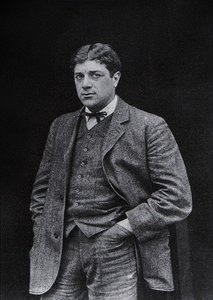
Georges Braque
1882 - 1963 , Frankreich
Eckdaten zum Künstler
- Beeinflusste Künstler: ['Pablo Picasso']
- Bemerkenswerte Werke:
- Häuser in L'Estaque
- Die Geduld (Fauvismus)
- Stillleben mit Pfeife
- Mandola
- Einflussreiche Künstler:
- Henri Matisse
- André Derain
- Paul Cézanne
- Geburtsdatum: 13. Mai 1882
- Geburtsort: Argenteuil, Frankreich
- Künstlerischer Stil: Kubismus, Fauvismus
- Nationalität: Französisch
- Sterbedatum: 1963
- Vollständiger Name: Georges Braque
Verwandte Artikel

Die 10 Meisterwerke des Kubismus: Kunst für Ihr Zuhause | AllPaintingsStore
Entdecken Sie die 10 bedeutendsten Meisterwerke des Kubismus von Picasso, Braque & Gris! Erfahren Sie mehr über Kunstgeschichte, Techniken und Farben. Hochwertige Kunstdrucke auf AllPaintingsStore.com – für stilvolle Wandgestaltung.
Georges Braque: Die 25 Meisterwerke des Kubismus für Ihr Zuhause | AllPaintingsStore
Entdecken Sie die 25 bedeutendsten Kunstwerke von Georges Braque – vom Kubismus bis zum Fauvismus. Erfahren Sie die Geschichten hinter den Meisterwerken und finden Sie hochwertige Reproduktionen für Ihr Zuhause auf AllPaintingsStore.com.

Cubism Explained: How Picasso and Braque Shattered Reality to Redefine Modern Art
Master the complexities of Cubism with our expert guide. Explore how Picasso and Braque revolutionized modern art through fragmentation, multiple perspectives, and geometric innovation. Perfect for art students and collectors seeking deep historical insight.

Cubism Unveiled: How Picasso and Braque Redefined Reality Through Geometric Abstraction
Explore the revolutionary world of Cubism. Discover how masters Pablo Picasso and Georges Braque dismantled reality through geometric abstraction to redefine modern art history.

Cubism Unveiled: How Picasso and Braque Redefined Modern Art through Geometric Revolution
Explore the revolutionary world of Cubism. Discover how Pablo Picasso and Georges Braque dismantled perspective to redefine modern art through geometric innovation and analytical mastery. An essential guide for art students, collectors, and history enthusiasts.


