Vorschau anzeigen
 Versenden
 Teilen
 Details anzeigen

 Herunterladen
 Ähnliche Objekte
 Röntgenaufnahme
 Diashow
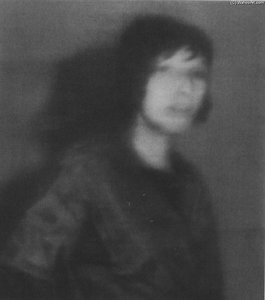
Self-portrait
 Acrylic On Canvas
- WallArt
- Contemporary Realism
 1996
1996- Contemporary
 51.0 x 46.0 cm
 Weiterlesen
Handgefertigte Ölreproduktion
Handgemaltes Ölgemälde auf Leinwand in Ihrer Wunschgröße und mit Rahmen, auf Bestellung von unseren Künstlern angefertigt. ( Druck kaufen Bild kaufen)




P118B $10

P118H $10

P118W $10

P438Z $10

P508JH $12

P508YH $12

P805H $10

P805Z $10

P919BZ $10

P919G $10

P919XJ $10

P959ZH $10

P968JZ $12

W106C $8

W218G $10

W218JH $8

W218Y $10

W307PJ $10

W316G $10

W316PJ $8

W316Y $10

W398PJ $8

W4111J $10

W500HY $15

W500JH $15

W692G $12

W849H $8

W940BG $15

W953PJ $8




Wählen Sie aus unseren vordefinierten Formaten, die den ursprünglichen Proportionen des Kunstwerks entsprechen.

Sie können Ihre eigenen Maße eingeben, um einen bestimmten Rahmen oder Platz auszufüllen. Wenn die gewählte Größe nicht den Proportionen des Originalbildes entspricht, werden wir das Kunstwerk entweder beschneiden oder das Gemälde durch zusätzliche, handgemalte Elemente erweitern. Ein digitales Mockup wird Ihnen zur Genehmigung zugesandt, bevor die Produktion beginnt.
Bitte beachten Sie, dass die Bildschirmvorschau nicht die tatsächliche Beschneidung oder Erweiterung widerspiegelt. Nur das Mockup zeigt die endgültige Komposition exakt an.
Obwohl Sondermaße verfügbar sind, empfehlen wir, eine Größe aus der vordefinierten Liste zu wählen, um die ursprünglichen Proportionen beizubehalten.
Nach der Bestellung wird das AllPaintingsStore.com-Team dem Kunden Anweisungen per E-Mail zusenden und eine Mockup-Vorschau bereitstellen.
Weltweiter Versand () in nur 3 bis 4 Wochen statt der üblichen 5 Wochen. (12 August). Keine Kompromisse bei der Qualität.

Kostenloser weltweiter Expressversand

Hochwertige Leinenleinwand

Umfassender Versicherungsschutz beim Versand

Zollgebühren-Rückerstattungsgarantie

Garantie für exakte Farbtreue

60 Tage Rückgaberecht (nur bei Mängeln)

100% Geld-zurück-Garantie

Mengenrabatt verfügbar
 Die Glasoption ist nur für Größen unter 110 cm verfügbar.

Self-portrait
Art der Reproduktion
Format der Reproduktion
-


Gesamtpreis
$ 258
Beschreibung des Kunstwerks
Gerhard Richter’s ‘Self-Portrait’: A Study in Uncertainty and Reflection
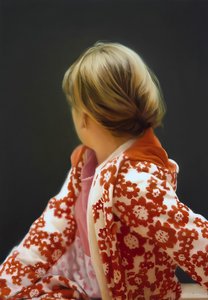
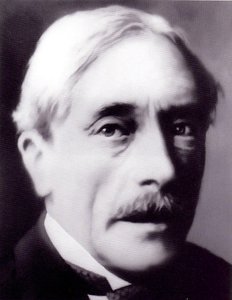
Gerhard Richter's 1996 self-portrait is not merely a depiction of a man; it’s an embodiment of the anxieties and ambiguities that defined much of his oeuvre. This particular work, rendered in oil on linen and measuring a modest 51 x 46 cm, feels both intensely personal and profoundly detached, mirroring the artist's own complex relationship with representation and memory. The photograph itself – blurry, almost indistinct – immediately establishes an atmosphere of uncertainty. Richter deliberately obscures sharp detail, employing a technique he would later famously refine into his ‘photo-paintings,’ where he layers photographic images onto canvas, manipulating their source material to create works that are simultaneously familiar and unsettling. The subject, a man in a white shirt and tie, appears almost lost within the haze, his eyes holding a serious, contemplative gaze – a gaze that seems to question not just the viewer, but perhaps also himself.
A Life Shaped by Division: Contextualizing Richter’s Early Years
To fully appreciate this self-portrait, it's crucial to understand the formative experiences that shaped Gerhard Richter’s artistic vision. Born in Dresden in 1932, his childhood unfolded during a period of immense upheaval – the rise of Nazism and subsequent displacement. His family moved repeatedly throughout the war years, an experience that instilled within him a deep-seated sense of instability and a questioning spirit. This early exposure to political turmoil and social disruption profoundly influenced his later work, often characterized by a deliberate ambiguity and a refusal to offer definitive answers. Richter’s father, a schoolteacher navigating the complexities of life under authoritarian rule, and his mother, fostering a love for literature and music within their home, created a duality – a pragmatic acceptance of circumstance alongside a yearning for cultural expression—a tension that would become a recurring theme in his art. The landscapes of Reichenau and Waltersdorf, initially idyllic, were irrevocably altered by conflict, leaving an indelible mark on his psyche.
Technique and the Illusion of Reality: Richter’s ‘Photo-Paintings’
Richter's approach to painting is notoriously complex. He doesn’t simply replicate what he sees; instead, he engages in a process of layering and manipulation. This self-portrait exemplifies his signature technique – the ‘photo-painting.’ He begins with photographic images, often sourced from newspapers or magazines, which he then applies to canvas using thin layers of oil paint. The resulting surface is not smooth and polished but rather textured and fragmented, creating an illusion of reality that is simultaneously present and absent. The blur in this particular portrait isn’t a flaw; it's a deliberate choice, intensifying the sense of detachment and inviting the viewer to actively participate in constructing meaning. The subtle shifts in color and tone suggest movement and change, mirroring the instability inherent in memory and experience.
Symbolism and Emotional Resonance: A Portrait of Contemplation
While Richter’s work often resists straightforward interpretation, this self-portrait offers a glimpse into the artist's internal landscape. The man’s serious expression suggests introspection and perhaps even melancholy. The blurred features contribute to a sense of anonymity, transforming the portrait from a simple likeness into a meditation on identity and perception. It’s not a triumphant declaration of self but rather a quiet acknowledgment of one’s place within the world – a recognition of uncertainty and the difficulty of capturing a definitive truth. The photograph's lack of background further emphasizes this feeling of isolation, drawing all attention to the subject himself. Ultimately, Richter’s ‘Self-Portrait’ is a powerful reminder that art can be more than just representation; it can be an exploration of the complexities of human experience and the elusive nature of reality.
Further Information: Explore Gerhard Richter's work at The Metropolitan Museum of Art or delve deeper into his artistic journey on Wikipedia.





Über den Künstler
**frühes Leben und Ausbildung**
Gerhard Richter, ein renommierter deutscher visueller Künstler, wurde am 9. Februar 1932 in einem Krankenhaus in Dresden-Neustadt, Dresden, Sachsen, geboren. Er wuchs in Reichenau, Niederschlesien (heute Bogatynia, Polen), und Waltersdorf (Zittauer Gebirge) im oberen Lusatianenländischen Land auf. Richards Vater, Horst Richter, war Mathematik- und Physikstudent an der Technischen Hochschule in Dresden.**Künstlerische Karriere**
Richter begann seine künstlerische Reise als Geselle für einen Schaukunstmaler und studierte später an der Dresdner Kunstakademie. Seine frühen Arbeiten wurden von den Stilen von Picasso und Jean Arp beeinflusst, was sich in seinen abstrakten und fotorealistischen Gemälden zeigt. Im Jahr 1957 arbeitete Richter als Meisterschüler an der Akademie und nahm Aufträge für das damalige Staatliche Gebiet der DDR entgegen.**Bekannte Werke und Leistungen**
* Abstraktes Bild (2012) erzielte einen Rekordverkaufspreis für ein Gemälde eines lebenden Künstlers von 34 Millionen Dollar (£21 Millionen). * Domplatz, Mailand (Kathedralplatz, Mailand) (1968) wurde in New York für 37,1 Millionen Dollar (£24,4 Millionen) verkauft. * Abstraktes Bild (2015) wurde bei der Sotheby's Contemporary Evening Sale für 44,52 Millionen Dollar (£30,4 Millionen) versteigert.**Künstlerischer Stil und Bewegung**
Richards Werke zeichnen sich durch ihre Vielseitigkeit aus, die abstrakte und fotorealistische Stile verbindet. Zusammen mit Sigmar Polke führte er den Begriff Kapitalistischer Realismus, einen Anti-Stil der Kunst, der die bildliche Kürze des Werbebildes übernimmt.**Privatleben**
Richter heiratete Marianne Eufinger im Jahr 1957 und hatte eine Tochter. Später heiratete er Isa Genzken im Jahr 1982 und Sabine Moritz im Jahr 1995, mit der er zwei Söhne und eine Tochter hatte. **Hinweis:** Dieser Artikel basiert auf den bereitgestellten Informationen und ist möglicherweise keine umfassende Biografie. Für detailliertere Informationen besuchen Sie bitte die verlinkten Quellen.
Gerhard Richter
1932 - , Deutschland
Kurzinfos
- Bemerkenswerte Werke:
- Abstraktes Bild (2012)
- Domplatz, Mailand (1968)
- S. mit Kind (1995)
- Geburtsdatum: 09. Februar 1932
- Geburtsort (Stadt, Land): Dresden, Deutschland
- Künstler Oder Bewegungen, Die Von Diesem Künstler Beeinflusst Wurden: ['Zeitgenössische Maler']
- Künstler, Die Diesen Künstler Beeinflussten:
- Pablo Picasso
- Jean Arp
- Künstlerische Bewegung/Stil:
- Abstrakte Kunst
- Fotorealismus
- Nationalität: Deutsch
- Vollständiger Name: Gerhard Richter
Ähnliche Artikel

Von der Urlaubsaufnahme zum zeitlosen Gemälde: Die künstlerische Transformation von Reisefotografien in bleibende Kunstwerke
Verwandeln Sie Ihre wertvollsten Reisefotos in einzigartige Gemälde! Professionelle Künstler schaffen bleibende Kunstwerke – individuell gestaltet und von höchster Qualität. Jetzt Anfrage stellen!

Vom Schnappschuss zum Erbstück: Ihre Hochzeitserinnerungen als zeitloses Kunstwerk
Verwandeln Sie Ihre Hochzeitsfotos in zeitlose Kunstwerke! bietet handgemalte Porträts, personalisierte Gemälde & Expertenberatung. Ein einzigartiges Geschenk für ein Leben lang.

From Snapshot to Legacy: The Art of Commissioning a Hand-Painted Reproduction from Photography – Preserving Memories Through Oil Painting Techniques
Transform cherished photos into timeless oil paintings with skilled artists. Trusted for bespoke portraits & heirloom art. Discover the process, styles & lasting value – a legacy preserved.

Vom Porträt zum Ikon: Die ästhetische und digitale Transformation der Selbstinszenierung innerhalb klassischer Kunsttraditionen
Entdecken Sie die faszinierende Entwicklung des Selbstporträts von der Renaissance bis zur digitalen Ära! Expertenanalyse, historische Einblicke & neue Perspektiven auf Identität und Kunst. Jetzt lesen!

Von Pixeln zu Pinselstrichen: Die bleibende Ästhetik und der künstlerische Wert von Ölgemälden aus digitalen Fotografien
Entdecken Sie die faszinierende Welt der Ölgemälde aus digitalen Fotos! Wir bieten hochwertige Reproduktionen und personalisierte Kunstwerke, gefertigt von erfahrenen Künstlern. Lassen Sie sich von unserer Expertise inspirieren und finden Sie Ihr einzigartiges Sammlerstück.