


 In echtem Maßstab anzeigen
 Versenden als Grußkarte
 Teilen
 Details anzeigen
 Leitfaden

 Herunterladen
 Ähnliche Objekte
 Röntgenaufnahme
 Diashow
 Besucherstatistiken
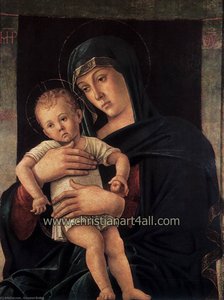
Madonna with Blessing Child
 Öl auf Tafel
- Early Renaissance
 1475
1475 78.0 x 56.0 cm
 Gallerie dell’Accademia
 Mehr anzeigen
Handgefertigte Ölreproduktion
Handgemaltes Ölgemälde auf Leinwand in Ihrer Wunschgröße und mit Rahmen, auf Bestellung von unseren Künstlern angefertigt. ( Zum Druck wechseln Zum digitalen Bild wechseln)




P118B $10

P118H $10

P118W $10

P438Z $10

P508JH $12

P508YH $12

P805H $10

P805Z $10

P919BZ $10

P919G $10

P919XJ $10

P959ZH $10

P968JZ $12

W106C $8

W218G $10

W218JH $8

W218Y $10

W307PJ $10

W316G $10

W316PJ $8

W316Y $10

W398PJ $8

W4111J $10

W500HY $15

W500JH $15

W692G $12

W849H $8

W940BG $15

W953PJ $8




Wählen Sie aus unseren vordefinierten Formaten, die den ursprünglichen Proportionen des Kunstwerks entsprechen.

Sie können Ihre eigenen Maße eingeben, um einen bestimmten Rahmen oder Platz auszufüllen. Wenn die gewählte Größe nicht den Proportionen des Originalbildes entspricht, werden wir das Kunstwerk entweder beschneiden oder das Gemälde durch zusätzliche, handgemalte Elemente erweitern. Ein digitales Mockup wird Ihnen zur Genehmigung zugesandt, bevor die Produktion beginnt.
Bitte beachten Sie, dass die Bildschirmvorschau nicht die tatsächliche Beschneidung oder Erweiterung widerspiegelt. Nur das Mockup zeigt die endgültige Komposition exakt an.
Obwohl Sondermaße verfügbar sind, empfehlen wir, eine Größe aus der vordefinierten Liste zu wählen, um die ursprünglichen Proportionen beizubehalten.
Nach der Bestellung wird das AllPaintingsStore.com-Team dem Kunden Anweisungen per E-Mail zusenden und eine Mockup-Vorschau bereitstellen.
Weltweiter Versand () in nur 3 bis 4 Wochen statt der üblichen 5 Wochen. (21 September). Keine Kompromisse bei der Qualität.

Kostenloser weltweiter Expressversand

Hochwertige Leinenleinwand

Vollständiger Versicherungsschutz beim Versand

Zollgebühren-Rückerstattungsgarantie

Garantie für exakte Farbtreue

100-tägiges Rückgaberecht (nur bei Mängeln)

100% Geld-zurück-Garantie

Angebot für Mengenrabatt
 Die Glasoption ist nur für Größen unter 110 cm verfügbar.

Madonna with Blessing Child
Reproduktionsmedium
Format der Reproduktion
-


Gesamtpreis
$ 258
A Timeless Embrace: Giovanni Bellini’s Madonna with Blessing Child
Giovanni Bellini's "Madonna with Blessing Child," painted around 1475-1480 in Venice, isn’t merely a depiction of the Virgin Mary and her infant son; it’s a profound meditation on faith, motherhood, and the nascent promise of divine grace. Emerging from the rich artistic tapestry of Venetian painting during this pivotal era – bridging the Byzantine legacy with the burgeoning humanism of the Renaissance – Bellini crafted an image that resonates with both serene beauty and subtle emotional depth. This work stands as a testament to his mastery of color, composition, and the evocative power of light, solidifying his place as one of Venice’s most influential artists.
Bellini's artistic lineage is deeply rooted in Byzantine traditions, evident in the idealized forms and the careful attention to detail. However, he swiftly embraced the humanist ideals gaining momentum across Europe, subtly infusing his work with a sense of earthly realism while retaining a spiritual core. His workshop fostered collaboration with fellow artists like Gentile Bellini and Andrea Mantegna, shaping Venetian art history and contributing to a vibrant artistic community. The commission for this Madonna likely stemmed from a desire to adorn a private chapel or perhaps a devotional space within a wealthy Venetian household – a testament to the growing importance of Marian devotion during the late 15th century.
The Language of Color and Light
Bellini’s genius lay in his manipulation of color and light, techniques he honed through meticulous observation and experimentation. Unlike the often-dull palettes of earlier Venetian painting, Bellini employed a vibrant range of hues – rich blues, deep reds, and luminous golds – to create an atmosphere of ethereal beauty. The use of oil paint, relatively new to Venice at this time, allowed him to achieve unprecedented levels of detail and luminosity. Notice how the light seems to emanate from within the figures themselves, bathing them in a warm, almost otherworldly glow. This masterful handling of color isn’t simply decorative; it serves to heighten the emotional impact of the scene, conveying a sense of serenity and divine presence.
The composition itself is carefully orchestrated. The Virgin Mary, seated on a simple wooden bench, holds her child with an expression of profound tenderness. Her gaze, direct and compassionate, draws the viewer into the intimate moment. The infant Jesus, nestled securely in his mother’s arms, receives a blessing – a gesture that symbolizes hope, salvation, and the fulfillment of prophecy. The subtle positioning of the figures—the slight tilt of Mary's head, the gentle curve of her hand—creates a dynamic sense of movement and interaction.
Symbolism and Spiritual Resonance
Beyond its aesthetic beauty, "Madonna with Blessing Child" is laden with symbolic meaning. The cloth of honor draped behind the Virgin – a rich crimson fabric – represents her royalty and divine status. The landscape glimpsed through the opening in the backdrop symbolizes the transition from earthly existence to eternal life, mirroring the themes of birth, death, and resurrection central to Christian theology. The presence of the unseen figures in the background—suggesting a gathering of witnesses to this sacred event—underscores the universality of Mary’s role as Mother of God.
Bellini's choice of depicting the scene within an enclosed space – reminiscent of a chapel – further emphasizes its devotional purpose. This intimate setting invites contemplation and fosters a sense of connection with the divine. The painting, therefore, transcends mere representation; it becomes a vehicle for spiritual experience, offering viewers a glimpse into the heart of Christian faith.
A Legacy Enduring
Despite being tragically lost during the devastating fire of 1867 that consumed much of Venice’s artistic heritage, Bellini's "Madonna with Blessing Child" continues to captivate audiences today. Reproductions and studies of this masterpiece offer a window into the artist’s genius and provide inspiration for interior designers seeking to infuse their spaces with beauty, serenity, and spiritual resonance. Bellini’s ability to seamlessly blend Byzantine tradition with Renaissance innovation ensures that his work remains a cornerstone of Venetian art history – a timeless testament to the power of faith, love, and artistic vision.
Ähnliche Kunstwerke



Biografie des Künstlers
Frühes Leben und Karriere
Giovanni Bellini, ein bedeutender italienischer Renaissancemaler, wurde um 1433 in Venedig geboren. Er wuchs im Haushalt von Jacopo Bellini auf, der früher als sein Vater galt, aber nun als sein älterer Bruder angesehen wird. Giovannis frühe Werke zeichnen sich durch eine tiefe religiöse Gefühlswelt und menschliche Pathos aus, wie man an seiner Darstellung des St. Hieronymus in der Wüste (jetzt in der National Gallery, London) erkennen kann.Aufstieg zur Prominenz
Giovannis künstlerischer Stil entwickelte sich im Laufe der Zeit weiter, und er wurde schließlich für seine üppige Farbgebung und fließende, atmosphärische Landschaftsdarstellungen bekannt. Seine Arbeit hatte einen bedeutenden Einfluss auf die venezianische Malerschule, insbesondere auf seine Schüler Giorgione und Tizian. Giovanni erhielt 1470 seine erste Anstellung, um zusammen mit seinem Bruder Gentile Bellini und anderen Künstlern in der Scuola di San Marco zu arbeiten.Bemerkenswerte Werke und Vermächtnis
- Die Verklärung (jetzt im Museo Nazionale di Capodimonte in Neapel) zeigt Giovannis reifen Stil, geprägt von einem ruhigen Geist und ausgereiften Kräften.
- Die Krönung der Jungfrau (in Pesaro) demonstriert seinen frühen Versuch in einer Kunstform, die zuvor vom rivalisierenden Vivarini-Stil dominiert wurde.
- Giovannis Pflichten als Konservator der Gemälde in der Großen Halle des Dogenpalastes (1479–1480) festigten weiter seinen Ruf als Meistermaler.
Künstlerischer Stil und Einfluss
Giovanni’s Verwendung klarer, langsam trocknender Ölfarben schuf tiefe, satte Farbtöne und detaillierte Schattierungen, was die venezianische Malerei revolutionierte. Seine Arbeit kann durch Folgendes charakterisiert werden:- Sensueller und farbintensiver Stil
- Üppige Farbgebung und fließende, atmosphärische Landschaften
- Einfluss auf die venezianische Malerschule und seine Schüler Giorgione und Tizian
Referenzen

Giovanni Bellini (Giambellino)
1433 - 1516 , Italien
Eckdaten zum Künstler
- Bemerkenswerte Kunstwerke:
- St. Hieronymus in der Wüste
- Die Verklärung
- Coronation of the Virgin
- Madonna del Prato
- Barbarigo-Altarbild
- Madonna degli Alberetti
- Geburtsdatum: ca. 1433
- Geburtsort (Stadt Und Land): Venedig, Italien
- Künstler Oder Bewegungen, Die Von Diesem Künstler Beeinflusst Wurden:
- Giorgione
- Titian
- Künstlerische Bewegung Oder Stil: Venezianische Renaissance
- Nationalität: Italienisch
- Todatum: 1516
- Vollständiger Name: Giovanni Bellini
Verwandte Artikel
Giorgione: Rätsel und Innovation der frühen venezianischen Renaissance-Malerei
Entdecken Sie das faszinierende Werk Giorgiones und seinen Einfluss auf die venezianische Renaissance-Malerei. Analysen, Hintergrundinformationen & Meisterwerke – jetzt lesen!

Venetian Renaissance: The Mastery of Color, Light, and the Art of Colorito
Explore the luminous mastery of the Venetian Renaissance. Discover how masters like Titian and Giorgione revolutionized art through colorito, light, and atmosphere. An expert guide to the golden age of Italian painting for collectors and enthusiasts.

Divine Love: A Curated Guide to the Most Iconic Madonna and Child Masterpieces in Art History
Embark on a sophisticated journey through art history with our curated guide to the most iconic Madonna and Child masterpieces. Discover the profound beauty, theological depth, and enduring legacy of these sacred Renaissance treasures.
Raphael: Die 25 Meisterwerke des Renaissance-Genies – Kunst für Ihr Zuhause
Entdecken Sie die 25 schönsten Meisterwerke von Raphael! Tauchen Sie ein in die Welt der Renaissance-Kunst, erfahren Sie faszinierende Geschichten und lassen Sie sich von den Farben und Kompositionen inspirieren. Hochwertige Reproduktionen auf AllPaintingsStore.com.

Jacopo Tintoretto: Die 25 Meisterwerke des venezianischen Dramatikers | AllPaintingsStore
Entdecken Sie die 25 Meisterwerke von Jacopo Tintoretto! Tauchen Sie ein in die dramatische Welt der venezianischen Renaissance. Hochwertige Kunst-Reproduktionen & Inspiration für Ihr Zuhause – jetzt auf AllPaintingsStore.com.


