


 In echtem Maßstab anzeigen
 Versenden als Grußkarte
 Teilen
 Details anzeigen
 Leitfaden

 Herunterladen
 Ähnliche Objekte
 Röntgenaufnahme
 Diashow
 Besucherstatistiken
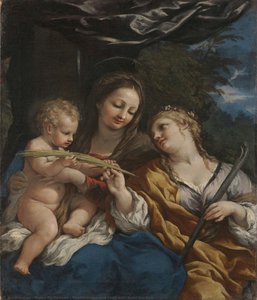
Madonna and Child with Saints Jerome and Agnes
 Acrylic On Canvas
- WallArt
- Early Renaissance
 1465
1465 32.0 x 25.0 cm
 Metropolitan Museum of Art
 Mehr anzeigen
Handgefertigte Ölreproduktion
Handgemaltes Ölgemälde auf Leinwand in Ihrer Wunschgröße und mit Rahmen, auf Bestellung von unseren Künstlern angefertigt. ( Zum Druck wechseln Zum digitalen Bild wechseln)




P118B $10

P118H $10

P118W $10

P438Z $10

P508JH $12

P508YH $12

P805H $10

P805Z $10

P919BZ $10

P919G $10

P919XJ $10

P959ZH $10

P968JZ $12

W106C $8

W218G $10

W218JH $8

W218Y $10

W307PJ $10

W316G $10

W316PJ $8

W316Y $10

W398PJ $8

W4111J $10

W500HY $15

W500JH $15

W692G $12

W849H $8

W940BG $15

W953PJ $8




Wählen Sie aus unseren vordefinierten Formaten, die den ursprünglichen Proportionen des Kunstwerks entsprechen.

Sie können Ihre eigenen Maße eingeben, um einen bestimmten Rahmen oder Platz auszufüllen. Wenn die gewählte Größe nicht den Proportionen des Originalbildes entspricht, werden wir das Kunstwerk entweder beschneiden oder das Gemälde durch zusätzliche, handgemalte Elemente erweitern. Ein digitales Mockup wird Ihnen zur Genehmigung zugesandt, bevor die Produktion beginnt.
Bitte beachten Sie, dass die Bildschirmvorschau nicht die tatsächliche Beschneidung oder Erweiterung widerspiegelt. Nur das Mockup zeigt die endgültige Komposition exakt an.
Obwohl Sondermaße verfügbar sind, empfehlen wir, eine Größe aus der vordefinierten Liste zu wählen, um die ursprünglichen Proportionen beizubehalten.
Nach der Bestellung wird das AllPaintingsStore.com-Team dem Kunden Anweisungen per E-Mail zusenden und eine Mockup-Vorschau bereitstellen.
Weltweiter Versand () in nur 3 bis 4 Wochen statt der üblichen 5 Wochen. (21 September). Keine Kompromisse bei der Qualität.

Kostenloser weltweiter Expressversand

Hochwertige Leinenleinwand

Vollständiger Versicherungsschutz beim Versand

Zollgebühren-Rückerstattungsgarantie

Garantie für exakte Farbtreue

100-tägiges Rückgaberecht (nur bei Mängeln)

100% Geld-zurück-Garantie

Angebot für Mengenrabatt
 Die Glasoption ist nur für Größen unter 110 cm verfügbar.

Madonna and Child with Saints Jerome and Agnes
Reproduktionsmedium
Format der Reproduktion
-


Gesamtpreis
$ 258
A Glimpse into Sienese Dreams: Giovanni di Paolo’s Madonna and Child
The year is 1465, and within the vibrant artistic heart of Siena, a painter named Giovanni di Paolo was meticulously crafting an image that would resonate across centuries – the “Madonna and Child with Saints Jerome and Agnes.” This isn't merely a depiction of the Virgin Mary and her infant son; it’s a window into the soul of early Renaissance Italy, imbued with the lingering beauty of Gothic traditions and subtly embracing the burgeoning naturalism of the era. Giovanni di Paolo, born around 1403, was a master of lyrical intensity, a painter who prioritized emotional resonance over strict realism – a characteristic that shines brilliantly in this particular panel painting.
The artwork immediately captivates with its rich palette and dramatic use of light. Deep reds dominate Mary’s flowing robes, drawing the eye to her serene expression and the luminous glow surrounding the Christ Child. The infant is nestled close to her breast, a gesture of profound tenderness and protection, rendered in delicate white against the darker hues of the background. Beyond this central devotional scene, three additional figures – Saints Jerome and Agnes, along with an unidentified third saint – are arranged within the composition, adding layers of narrative and spiritual depth. The careful placement of these saints, one on the left, another on the right, and a third subtly positioned above the main scene, creates a dynamic balance that invites contemplation.
The Techniques of a Sienese Master
Giovanni di Paolo’s style is immediately recognizable – a distinctive blend of Gothic formality and nascent Renaissance influence. He employed tempera on wood, a technique favored for its luminosity and durability, and utilized gold leaf extensively, particularly in the clothing and halos of the figures. This lavish use of gold wasn't simply decorative; it served to elevate the sacred subject matter, symbolizing divine grace and illuminating the scene with an ethereal quality. The artist’s meticulous attention to detail is evident in every brushstroke – from the folds of Mary’s garments to the intricate patterns adorning the saints’ robes. The use of layered glazing creates a remarkable sense of depth and texture, bringing the figures to life with a palpable warmth.
Notably, Giovanni di Paolo's work often features a slightly flattened perspective, characteristic of his time. This isn’t a rejection of spatial realism but rather an artistic choice that prioritizes emotional impact over strict adherence to linear perspective. The background is rendered in dark, muted tones, further emphasizing the central figures and creating a sense of intimacy within the scene.
Symbolism and Spiritual Significance
The “Madonna and Child” is rich with symbolic meaning, reflecting the theological concerns of the period. Mary’s posture – her hand gently touching the Christ Child – represents divine motherhood and the nurturing power of faith. The presence of Saints Jerome and Agnes underscores the importance of monastic life and devotion to God. The inclusion of the three saints also suggests a broader representation of Christian virtues, inviting viewers to contemplate their own spiritual journey.
Furthermore, the small details within the painting – the fruit in the bowl, for instance – are laden with symbolic significance. Cherries represent Christ’s blood, plums symbolize tenderness and love, and figs allude to the resurrection. These carefully chosen elements contribute to a complex tapestry of meaning that rewards careful observation.
A Timeless Icon: Reproduction and Beyond
AllPaintingsStore is proud to offer meticulously crafted hand-painted reproductions of Giovanni di Paolo’s “Madonna and Child with Saints Jerome and Agnes.” These reproductions capture the essence of the original painting – its luminous colors, intricate details, and profound spiritual depth. Whether you're an art enthusiast, a collector seeking a unique addition to your collection, or simply someone drawn to the beauty of Renaissance art, this reproduction provides a stunning way to experience one of Siena’s most treasured masterpieces. Imagine this iconic image gracing your walls – a testament to the enduring power of faith and artistic vision.
Ähnliche Kunstwerke




Biografie des Künstlers
Giovanni di Paolo: Ein Sieneser Maler der Träume
- Geboren: um 1403, Siena, Italien
- Gestorben: 1482, Siena
Frühes Leben und künstlerische Entwicklung
Giovanni di Paolo di Grazia entwickelte sich im frühen 15. Jahrhundert zu einer bedeutenden Figur in der Sieneser Kunstszene. Obwohl die genauen Details seines frühen Lebens etwas verschwommen sind, wird angenommen, dass er möglicherweise bei Taddeo di Bartolo oder Martino di Bartolomeo in die Lehre ging, beides prominente Sieneser Meister. Seine anfängliche Ausbildung umfasste wahrscheinlich die Illumination von Manuskripten, was sich aus seiner dokumentierten Arbeit für die Dominikanische Ordnung in Siena seit etwa 1417 ergibt. Diese Zeit schärfte seine Fähigkeiten in Detail- und Farbgebung, entscheidende Elemente, die später seinen künstlerischen Stil definieren sollten.
Künstlerischer Stil und Einflüsse
Giovanni di Paolos Kunst zeichnet sich durch eine einzigartige Mischung aus gotischen Traditionen und aufkommenden Renaissance-Sensibilitäten aus. Seine frühen Werke spiegeln den Einfluss früherer Sieneser Meister wider, doch im Laufe seiner Karriere entwickelte er eine unverwechselbare visuelle Sprache, die sich durch langgestreckte Figuren, kalte, harte Farben und oft surreale Atmosphäre auszeichnete. Ein wichtiger Einfluss war Gentile da Fabriano, dessen Besuch in Siena um 1420 Giovanni’s künstlerische Vision tiefgreifend beeinflusste. Er übernahm Elemente von Gentiles Stil, insbesondere die Einarbeitung naturalistischer Details wie blühende Pflanzen in religiöse Szenen – eine Abweichung von den konventionelleren Darstellungen stehender Heiliger.
- Gotischer Einfluss: Deutlich erkennbar an seinen langgestreckten Figuren und dekorativen Mustern.
- Einfluss Gentile da Fabrianos: Übernahme naturalistischer Elemente und Fokus auf Details.
- Einzigartige, traumähnliche Qualität: Viele Werke besitzen eine ungewöhnliche, surreale Atmosphäre.
Hauptwerke und Themen
Giovanni di Paolos Œuvre umfasst zahlreiche Altarbilder, Tafeln und illuminierte Manuskripte. Seine bekanntesten Werke demonstrieren seine Fähigkeit, traditionelle religiöse Erzählungen in fesselnde visuelle Erlebnisse zu verwandeln. Das *Wunder des Heiligen Nikolaus von Tolentino* (um 1455) veranschaulicht seinen surrealen Stil mit seiner fantastischen Landschaft und traumartigen Komposition. Die Serie, die Szenen aus dem Leben der Heiligen Katharina von Siena darstellt, die heute in verschiedenen Museen verstreut sind, zeugt von seiner Meisterschaft im Erzählmalerei und ausdrucksstarken Charakterdarstellung.
- Das Wunder des Heiligen Nikolaus von Tolentino (um 1455): Ein Paradebeispiel für seinen surrealen Stil.
- Serie über die Heilige Katharina von Siena: Demonstriert erzählerisches Geschick und Charakterdarstellung.
- Illuminierte Manuskripte: Insbesondere Dantes *Göttliche Komödie*, die komplizierte Details und lebendige Farben zeigen.
Historische Bedeutung und Vermächtnis
Giovanni di Paolos Ruf erlebte nach seinem Tod im Jahr 1482 einen Rückgang, doch seine künstlerische Bedeutung wurde im 20. Jahrhundert wiederentdeckt. Er gilt heute als eine zentrale Figur der Sieneser Schule, die die Brücke zwischen spätgotischer Kunst und Frührenaissance schlägt. Seine Bereitschaft, mit Form und Farbe zu experimentieren, verbunden mit seiner einzigartigen, traumähnlichen Vision, unterschied ihn von seinen Zeitgenossen und etablierte ihn als eine unverwechselbare Stimme in der italienischen Kunstgeschichte.
- Übergangsfigur: Vermittelte zwischen Gotik und Renaissance.
- Wiederentdeckte Bedeutung: Im 20. Jahrhundert für seinen innovativen Ansatz anerkannt.
- Einzigartige künstlerische Vision: Seine traumähnliche Qualität unterscheidet ihn von anderen Sieneser Malern.

Giovanni di Paolo
1403 - 1482 , Italien
Eckdaten zum Künstler
- Bemerkenswerte Werke:
- Mirakel des Hl. Nikolaus
- Leben der Katharina von Siena
- Göttliche Komödie (Illuminationen)
- Einflussreiche Künstler:
- Gentile da Fabriano
- Taddeo di Bartolo
- Geburtsdatum: ca. 1403
- Geburtsort: Siena, Italien
- Künstlerische Richtung: Sienese Schule, Gotik
- Nationalität: Italienisch
- Sterbedatum: 1482
- Vollständiger Name: Giovanni di Paolo
Verwandte Artikel
Raphael: Die 25 Meisterwerke des Renaissance-Genies – Kunst für Ihr Zuhause
Entdecken Sie die 25 schönsten Meisterwerke von Raphael! Tauchen Sie ein in die Welt der Renaissance-Kunst, erfahren Sie faszinierende Geschichten und lassen Sie sich von den Farben und Kompositionen inspirieren. Hochwertige Reproduktionen auf AllPaintingsStore.com.
Giotto di Bondone: Die 25 Meisterwerke des Frührenaissance – Kunst für Ihr Zuhause
Entdecken Sie die 25 Meisterwerke von Giotto di Bondone! Erleben Sie die Frührenaissance, religiöse Kunst & ikonische Fresken wie in der Scrovegni Kapelle. Hochwertige Kunstdrucke online bei AllPaintingsStore.com – für zeitlose Eleganz in Ihrem Zuhause.

Proto-Renaissance Meisterwerke: Die 10 Kunstwerke, die eine Epoche prägten | AllPaintingsStore
Entdecken Sie die 10 prägendsten Meisterwerke der Proto-Renaissance! Von Giotto bis Duccio – erleben Sie die Geschichten, Techniken & zeitlose Schönheit italienischer Frührenaissance Kunst. Hochwertige Reproduktionen auf AllPaintingsStore.com.

Saint George in Art: A Scholarly Exploration of Iconic Masterpieces and Eternal Legends
Delve into the profound legacy of Saint George through art history. Explore iconic masterpieces by Raphael and Dürer, decoding the iconography of the dragon legend. Discover scholarly insights and bring these timeless tales to life with our museum-quality, hand-painted oil reproductions.

Divine Love: A Curated Guide to the Most Iconic Madonna and Child Masterpieces in Art History
Embark on a sophisticated journey through art history with our curated guide to the most iconic Madonna and Child masterpieces. Discover the profound beauty, theological depth, and enduring legacy of these sacred Renaissance treasures.


