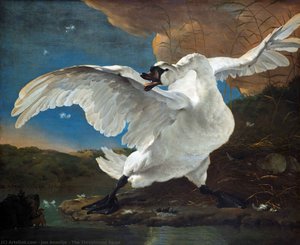
1916. Oil On Canvas, 102.0 x 128.0 cm. Royal Scottish Academy of Art – Architektur.

§ 1Catalogue data
 Oil On Canvas
- WallArt
- Symbolism
 1916
1916- Modern
 102.0 x 128.0 cm
 Royal Scottish Academy of Art – Architektur
Dieses Kunstwerk ist urheberrechtlich geschützt
Die auf dieser Seite dargestellten Kunstwerke sind urheberrechtlich geschützt, was bedeutet, dass wir keine identische Reproduktion rechtmäßig erstellen oder verkaufen dürfen. Dieser Schutz wird durch internationale Abkommen wie die Berner Übereinkunft und durch nationale Gesetze, einschließlich derer, die von den US-Urheberrecht – Titel 17.
Als respektvolle und rechtlich einwandfreie Alternative bieten wir individuelle, handgemalte Kunstwerke an, die vom Original inspiriert sind. Unsere geschickten und professionellen Künstler studieren sorgfältig den Stil, die Stimmung und das künstlerische Wesen des Originals, um ein neues, einzigartiges Werk zu schaffen, das dasselbe Gefühl hervorruft – während es zugleich eine eigenständige Originalschöpfung bleibt.
Diese Methode entspricht vollumfänglich den Urheberrechtsbestimmungen, da sie keine Kopie oder Vervielfältigung des geschützten Kunstwerks darstellt. Stattdessen handelt es sich um eine kreative Neuinterpretation – ein neues Gemälde, das vom Original inspiriert, aber nicht identisch mit ihm ist.
 Mehr erfahren
§ 2Abstract
Beschreibung des Sammlerstücks
Explore 'Avatar' by Henry John Lintott – a haunting Symbolist painting of three women uniting in strength. Discover its ethereal beauty & British Impressionism at the Royal Scottish Academy.
Künstlerbiografie
Entdecken Sie Henry John Lintotts fesselnde Gemälde! Erforschen Sie seine Porträts, Landschaften & Figurendarstellungen des britischen Impressionismus & Post-Impressionismus. Jetzt Kunstwerke ansehen und mehr erfahren.
§ 3Commentary
A Vision of Ethereal Unity
In the vast, misty corridors of art history, few works manage to bridge the gap between the tangible world and the realm of the spirit as gracefully as Henry John Lintott’s 1916 masterpiece, "Avatar." This captivating oil on canvas is not merely a painting; it is a window into a dreamscape where the boundaries of form and shadow dissolve. At its heart, the composition presents three female figures, positioned with a deliberate, rhythmic balance that guides the eye across a landscape of uncertainty. They appear to be engaged in a shared, sacred task, bearing a large, dark, boat-like object that anchors the ethereal scene. There is an undeniable sense of weight and purpose in their movement, yet they seem to glide through a hazy, atmospheric void, as if caught in a moment of suspended animation between heaven and earth.
The style of "Avatar" is a profound dialogue between Symbolism and Romanticism. Lintott eschews the sharp, clinical lines of realism in favor of soft, curvilinear forms and a palette of pale yellows, muted blues, and ghostly whites. The brushwork is loose and evocative, creating a textured surface where light does not strike objects so much as it permeates them. This technique produces a diffused, glowing effect, making the clouds appear to swirl with a life of their own. For the discerning collector or interior designer, this piece offers a sophisticated layer of depth; its lack of rigid boundaries allows it to integrate seamlessly into spaces that value atmosphere and mood, providing a focal point that invites quiet contemplation rather than demanding loud attention.
Symbolism and the Strength of Connection
Beyond its visual beauty, "Avatar" serves as a powerful allegory for human resilience and collective endeavor. The central theme is one of unity. The way the three women work in concert to carry their mysterious burden symbolizes the strength found in solidarity—the idea that even the most daunting journeys through life's shadows are made possible through cooperation. The dark, enigmatic object they carry acts as a profound symbol; it could represent the heavy responsibilities of existence, or perhaps a vessel for the soul navigating the turbulent currents of fate. This tension between the lightness of the angelic figures and the gravity of their task creates an emotional resonance that is both melancholic and deeply inspiring.
Historically, this work reflects Lintott’s position within the Scottish art scene and his exposure to the burgeoning Symbolist movements in London and Paris. As a prominent figure at the Royal Scottish Academy, Lintott was a master of capturing the struggle between light and darkness. In "Avatar," this struggle is not depicted through violent contrast, but through a subtle, atmospheric haze that suggests the ephemeral nature of life itself. To possess a reproduction of this work is to bring a piece of this historical introspection into a modern home—a reminder of the enduring power of connection and the beauty found in the pursuit of common goals.
An Invitation to the Sublime
For those seeking to curate an environment of peace, mystery, or intellectual depth, "Avatar" offers unparalleled inspiration. The painting’s shallow perspective and flattened space create an intimate experience, drawing the viewer into a world where the physical laws of gravity seem secondary to the emotional laws of the spirit. It is a piece that rewards repeated viewing, revealing new nuances in its layered glazes and soft shadows each time the light hits it. Whether placed in a grand gallery-style living room or a quiet study, this reproduction serves as a testament to the timeless allure of the sublime, making it an exquisite choice for anyone looking to infuse their surroundings with a sense of poetic grace and historical significance.
Fragen & Antworten
Wie harmonisch sind die Farben von "Avatar" von Henry John Lintott?
Die Farben von "Avatar" von Henry John Lintott weisen eine Strong Color Unity Harmonie auf. Harmonie beschreibt das Zusammenspiel der Farben untereinander.
Welcher künstlerischen Strömung ist "Avatar" von Henry John Lintott zuzuordnen?
Die mit "Avatar" von Henry John Lintott verbundene Stilrichtung ist Symbolism. Diese Klassifizierung ordnet das Werk in den Kontext verwandter Künstler und Kunstwerke ein.
Wie intensiv sind die Farben in "Avatar" von Henry John Lintott?
Die Farbsättigung von „Avatar“ ist Balanced. Die Intensität beschreibt, wie kräftig die Farben wirken.




 Zum Druck wechseln


 Bei Kunstwerken oder Reproduktionen, die an einer Seite größer als 105 cm (ca. 41 Zoll) sind, wird der Rahmen zerlegt als Bausatz geliefert. Diese Methode gewährleistet eine sichere Zustellung und verhindert Schäden während des Transports.