


 Vorschau anzeigen
 Versenden
 Teilen
 Details anzeigen
 Leitfaden

 Herunterladen
 Ähnliche Objekte
 Röntgenaufnahme
 Diashow
 Q&A
Q&A Statistiken
March
 Oil
Oil- WallArt
- Realism
 1895
1895- 19th Century
 60.0 x 75.0 cm
 Weiterlesen
Giclée / Kunstdruck
Giclée- oder Leinwanddruck in Museumsqualität mit schneller Produktion und flexiblen Veredelungsoptionen. ( Handgemalte Reproduktion bestellen Zum digitalen Bild wechseln)




P118B €10

P118H €10

P118W €10

P438Z €10

P508JH €12

P508YH €12

P805H €10

P805Z €10

P919BZ €10

P919G €10

P919XJ €10

P959ZH €10

P968JZ €12

W106C €8

W218G €10

W218JH €8

W218Y €10

W307PJ €10

W316G €10

W316PJ €8

W316Y €10

W398PJ €8

W4111J €10

W500HY €15

W500JH €15

W692G €12

W849H €8

W940BG €15

W953PJ €8




Wählen Sie aus unseren vordefinierten Formaten, die den ursprünglichen Proportionen des Kunstwerks entsprechen.

Geben Sie die benötigte Breite und Höhe an, damit der Druck perfekt in Ihren Rahmen oder an Ihre Wand passt. Ein Druck kann nur beschnitten, aber niemals größer als das Originalbild angefertigt werden; daher verliert ein Format mit anderen Proportionen einen Teil des Bildes. Wir senden Ihnen ein digitales Mockup zur Freigabe, bevor wir den Druck ausführen. Das auf dieser Seite gezeigte Bild zeigt nicht den tatsächlichen Beschnitt – dies ist nur im Mockup ersichtlich.
Weltweiter Versand () innerhalb von 2 Wochen statt der üblichen 4/5 Wochen. (29 Oktober)

Kostenloser weltweiter Expressversand

Hochwertige Leinenleinwand

Umfassender Versicherungsschutz beim Versand

Zollgebühren-Rückerstattungsgarantie

Garantie für exakte Farbtreue

100 Tage Rückgaberecht (nur bei Mängeln)

100% Geld-zurück-Garantie

Mengenrabatt verfügbar
 Die Glasoption ist nur für Größen unter 110 cm verfügbar.

March
Giclée / Kunstdruck
Format der Reproduktion
-


Endpreis
€ 56
A Poetic Transition: The Melancholic Beauty of Levitan's March
In the quiet, frost-kissed moments of late nineteenth-century Russia, few artists could capture the fleeting soul of the landscape as masterfully as Isaak Ilyich Levitan. His work, March, serves as a profound visual poem, capturing that delicate, liminal space where winter refuses to relinquish its grip, yet the whispers of spring begin to stir beneath the melting snow. This exquisite piece, dating from 1895, invites the viewer into a serene, wintry tableau where nature exists in a state of peaceful contemplation. As a deer wanders down a quiet road, eyes cast toward the earth, there is an immediate sense of intimacy, as if we have stumbled upon a private moment in the life of the forest.
The composition is a masterclass in atmospheric storytelling. Beyond the central figure of the deer, Levitan weaves a complex tapestry of life; a horse stands quietly to the side, and a distant figure moves through the background, grounding the wildness of the scene within the gentle rhythm of rural existence. The surrounding trees, heavy with the remnants of winter, frame the scene with a structural elegance that provides both depth and a sense of enclosure. For the discerning collector or interior designer, this painting offers more than mere decoration; it provides a window into a world of stillness, making it an ideal centerpiece for spaces designed to evoke tranquility, reflection, and a connection to the natural cycle of life.
Technique and the Mastery of Light
Levitan was a pioneer of the "mood landscape," a style where the technical execution is inseparable from the emotional resonance. In March, his brushwork achieves a delicate balance between precision and impressionistic softness. The way he renders the light—filtered through a heavy, wintry sky—creates a muted palette that is both sophisticated and soothing. There is a palpable texture to the snow and the bark of the trees, achieved through subtle layering that captures the damp, cold atmosphere of a Russian spring thaw. This mastery of light and shadow allows the painting to breathe, giving the viewer the sensation of feeling the crisp, biting air of a March morning.
For those seeking a high-quality reproduction, it is essential to appreciate how these nuances are preserved. A faithful hand-painted recreation of this work captures the subtle transitions in color—from the stark whites of the snow to the deep, earthy tones of the road and the soft grays of the sky. The emotional impact lies in this very subtlety; it is a painting that rewards long, contemplative gazes, revealing new layers of light and movement each time it is viewed. It is an investment in atmosphere, bringing the timeless, melancholic beauty of Levitan’s vision into the modern home.
Historical Resonance and Emotional Depth
To understand March is to understand the heart of Levitan himself. His life, marked by personal loss and the social complexities of Tsarist Russia, often found its resolution in the landscape. He did not merely paint trees and animals; he painted the "symphony of the Russian soul." The deer and the horse in this work are not just subjects, but symbols of a quiet endurance, mirroring the resilience of the human spirit amidst changing seasons. There is a profound sense of nostalgia embedded in the canvas, a longing for a purity found only in the untouched corners of the world.
Integrating such a piece into an interior design scheme allows for the introduction of a narrative element that transcends fashion. Whether placed in a sunlit study or a quiet corner of a living room, March acts as an anchor of serenity. It speaks to the timelessness of nature and the enduring power of art to capture the ephemeral. For the lover of fine art, this reproduction is an opportunity to possess a fragment of history—a piece that carries with it the weight of tradition, the beauty of the Russian landscape, and an unparalleled sense of peace.
Fragen & Antworten
Welches Format hat "March"?
Das Format von „March“ ist Landscape. Dies ist hilfreich bei der Planung, wo eine Reproduktion platziert werden soll.
Kann ich eine Ölreproduktion von "March" bestellen?
"March" ist als eine handgemalte Ölreproduktion auf Leinenleinwand erhältlich. Die Bestellung kann auf der Seite Handgemalte Ölreproduktion in verschiedenen Größen vorgenommen werden.
Wer hat "March" geschaffen und wann?
Isaak Ilyich Levitan schuf „March“ im Jahr 1895.
Ähnliche Kunstwerke


Künstlerbiografie
Isaak Iljitsch Lewitan: Ein Leben in der Landschaft
Isaak Iljitsch Lewitan (1860-1900) war ein renommierter russischer Landschaftsmaler, der zu einer entscheidenden Figur bei der Entwicklung von stimmungsvollen Landschaften wurde. Seine Werke fingen die Essenz der russischen Landschaft ein und waren von lyrischem Charme und emotionaler Tiefe geprägt.
Frühes Leben und Ausbildung
- Geboren am 30. August 1860 in Kibarty (heute Litauen), in einer jüdischen Familie, die später nach Moskau zog.
- Zeigte früh künstlerisches Talent und erhielt Privatunterricht, bevor er sich formell dem Kunststudium widmete.
- Im Jahr 1873 trat er in die Moskauer Schule für Malerei, Bildhauerei und Architektur ein, wo er unter einflussreichen Künstlern wie Alexei Sawrassow, Wassili Perow und Wassili Polenow studierte.
- Sawrassows Einfluss war besonders bedeutsam und förderte Lewitans Liebe zum Darstellen der subtilen Nuancen der russischen Natur.
Künstlerische Entwicklung und Stil
- Lewitan unterschied sich schnell durch seine Fähigkeit, Atmosphäre und Emotionen durch Landschaftsmalerei zu vermitteln.
- Er begründete das Genre der „Stimmungslandschaft“ und ging über die bloße topografische Darstellung hinaus, um menschliche Gefühle und spirituelle Verbindungen zur Natur auszudrücken.
- Seine Palette war oft gedämpft und konzentrierte sich auf naturalistische Farben und poetische Elemente anstelle von lebhaften Farbtönen.
- Obwohl seine späteren Arbeiten eine Vertrautheit mit dem Impressionismus zeigten, bewahrte er ein einzigartig russisches Gefühl.
Wichtige Werke und Errungenschaften
- Zu seinen bekanntesten Werken gehören: Herbsttag in Sokolniki (1879), Die Vladimirka Straße (1892) und Ewiger Frieden (1894). Diese Gemälde sind prominent in der Tretjakow-Galerie ausgestellt.
- Weitere bemerkenswerte Werke sind „Frühlingsflut“, „Stürmischer Tag“, „Vesperglocken“ und „Stillfriedhof“.
- Im Jahr 1897 wurde Lewitan in die Akademie der Künste aufgenommen, was ein Beweis für seine wachsende Anerkennung war.
- Er wurde 1898 Leiter des Landschaftsstudios an seiner Alma Mater und förderte so die nächste Generation russischer Landschaftsmaler.
Einflüsse und Zusammenarbeit
- Lewitan wurde tief von den Werken Alexei Sawrassows beeinflusst, dessen melancholische Landschaften mit seiner eigenen künstlerischen Vision in Resonanz standen.
- Er arbeitete mit anderen Künstlern wie Konstantin Korovin, Michail Nesterow und Nikolai Tschechow zusammen.
- Er steuerte Illustrationen für die Zeitschrift „Moskau“ bei und entwarf Bühnenbilder für die private Russische Oper von Sawwa Mamontow.
Historische Bedeutung und Vermächtnis
- Lewitans Werk spielte eine entscheidende Rolle bei der Gestaltung der Entwicklung der russischen Landschaftsmalerei.
- Er erweiterte das Genre über die bloße Darstellung hinaus und verlieh ihm emotionale Tiefe und spirituelle Resonanz.
- Seine Gemälde berufen weiterhin ein starkes Gefühl nationaler Identität und Wertschätzung für die Schönheit der russischen Landschaft hervor.
- Im Jahr 1941 wurden seine Überreste auf den Nowodewitschi-Friedhof in Moskau umgebettet, wo er neben seinem engen Freund Anton Tschechow begraben liegt, was ihre künstlerische Verbundenheit symbolisiert.
Lewitans Vermächtnis lebt als Meister der atmosphärischen Landschaftsmalerei und als tiefgründiger Interpret der russischen Seele fort.

Isaak Ilyich Levitan
1860 - 1900 , Russland
Kurzinfos
- Bemerkenswerte Werke:
- Herbsttag in Sokolniki
- Die Vladimirka Straße
- Ewige Ruhe
- Frühlingsflut
- Geburtsdatum: 30. August 1860
- Künstlerische Einflüsse: ['Alexei Savrasov']
- Künstlerische Richtung: Landschaftsmalerei, Stimmungslandschaft
- Nationalität: Russisch
- Vollständiger Name: Isaak Iljitsch Lewitan
Ähnliche Artikel

Evocations of Place: A Historical Journey Through Landscape Art
Explore the rich history of landscape art with AllPaintingsStore. Discover renowned artists, movements like Impressionism & Romanticism, and expert guidance for collecting timeless pieces. Find your perfect serene escape today!

Evocations of Place: A Historical Journey Through Landscape Art
Explore the rich history of landscape art with AllPaintingsStore. Discover renowned artists, movements like Impressionism & tonalism, and expert guidance for collecting timeless pieces. Find your perfect serene escape today!

John Constable: Die 25 Meisterwerke des englischen Landschaftsgenies – AllPaintingsStore
Entdecken Sie die 25 Meisterwerke von John Constable! Erleben Sie englische Landschaftsmalerei vom Hay Wain bis zur Stour Valley. Hochwertige Reproduktionen & Kunst für Ihr Zuhause auf AllPaintingsStore.com.
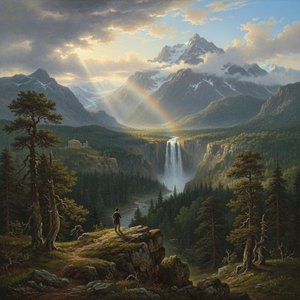
Evoking Nature's Sublime: A Comprehensive Exploration of 19th-Century Landscape Painting
Explore the captivating world of 19th-century landscape painting! Discover renowned artists like Friedrich & Monet, key movements, and find the perfect artwork to bring nature's serenity into your home. Expert insights at AllPaintingsStore.

Romantische Landschaften: Die 10 Meisterwerke, die eine Epoche prägten | AllPaintingsStore
Entdecken Sie die 10 Meisterwerke der Romantischen Landschaftsmalerei! Von Caspar David Friedrich bis Turner – erleben Sie die Kunst, Emotion & Natur. Hochwertige Reproduktionen auf AllPaintingsStore.com


