


 In echtem Maßstab anzeigen
 Versenden als Grußkarte
 Teilen
 Details anzeigen
 Leitfaden

 Herunterladen
 Ähnliche Objekte
 Röntgenaufnahme
 Diashow
 Besucherstatistiken
Three tax collectors

 Mehr anzeigen
Handgefertigte Ölreproduktion
Handgemaltes Ölgemälde auf Leinwand in Ihrer Wunschgröße und mit Rahmen, auf Bestellung von unseren Künstlern angefertigt. ( Zum Druck wechseln Zum digitalen Bild wechseln)




P118B $10

P118H $10

P118W $10

P438Z $10

P508JH $12

P508YH $12

P805H $10

P805Z $10

P919BZ $10

P919G $10

P919XJ $10

P959ZH $10

P968JZ $12

W106C $8

W218G $10

W218JH $8

W218Y $10

W307PJ $10

W316G $10

W316PJ $8

W316Y $10

W398PJ $8

W4111J $10

W500HY $15

W500JH $15

W692G $12

W849H $8

W940BG $15

W953PJ $8




Wählen Sie aus unseren vordefinierten Formaten, die den ursprünglichen Proportionen des Kunstwerks entsprechen.

Sie können Ihre eigenen Maße eingeben, um einen bestimmten Rahmen oder Platz auszufüllen. Wenn die gewählte Größe nicht den Proportionen des Originalbildes entspricht, werden wir das Kunstwerk entweder beschneiden oder das Gemälde durch zusätzliche, handgemalte Elemente erweitern. Ein digitales Mockup wird Ihnen zur Genehmigung zugesandt, bevor die Produktion beginnt.
Bitte beachten Sie, dass die Bildschirmvorschau nicht die tatsächliche Beschneidung oder Erweiterung widerspiegelt. Nur das Mockup zeigt die endgültige Komposition exakt an.
Obwohl Sondermaße verfügbar sind, empfehlen wir, eine Größe aus der vordefinierten Liste zu wählen, um die ursprünglichen Proportionen beizubehalten.
Nach der Bestellung wird das AllPaintingsStore.com-Team dem Kunden Anweisungen per E-Mail zusenden und eine Mockup-Vorschau bereitstellen.
Weltweiter Versand () in nur 3 bis 4 Wochen statt der üblichen 5 Wochen. (21 September). Keine Kompromisse bei der Qualität.

Kostenloser weltweiter Expressversand

Hochwertige Leinenleinwand

Vollständiger Versicherungsschutz beim Versand

Zollgebühren-Rückerstattungsgarantie

Garantie für exakte Farbtreue

100-tägiges Rückgaberecht (nur bei Mängeln)

100% Geld-zurück-Garantie

Angebot für Mengenrabatt
 Die Glasoption ist nur für Größen unter 110 cm verfügbar.

Three tax collectors
Reproduktionsmedium
Format der Reproduktion
-


Gesamtpreis
$ 258
A Portrait of Venetian Ambition: Jacopo Tintoretto’s “Three Tax Collectors”
Jacopo Tintoretto's "Three Tax Collectors," painted circa 1580, is more than just a depiction of three men seated around a table; it’s a potent distillation of Venetian society and the burgeoning drama that defined his artistic vision. This captivating work, brimming with carefully orchestrated light and shadow, offers a glimpse into the world of commerce and power within the vibrant heart of Renaissance Venice. The painting's subject matter – tax collectors – immediately positions it within a context of economic influence and potential corruption, themes frequently explored by Tintoretto throughout his career.
- Subject Matter: The central figures are three men engaged in what appears to be a serious discussion. Their attire—suits and ties—indicates their professional status, highlighting the importance of trade and finance within Venetian life.
- Composition & Technique: Tintoretto masterfully employs his signature technique of *disegno*, meticulously planning every element before applying paint. The figures are rendered with dynamic poses and a sense of movement, creating an illusion of depth and immediacy. Note the dramatic use of light, originating from an unseen source, which dramatically illuminates the faces of the men, emphasizing their expressions and drawing the viewer's eye into the scene.
- Color Palette: The color scheme is dominated by rich browns, reds, and golds – colors associated with wealth and authority in Venetian society. These hues are skillfully layered to create a sense of volume and texture, further enhancing the painting’s dramatic effect.
The Drama of Tintoretto's Venice
Tintoretto was a pivotal figure in the transition from the High Renaissance to the Baroque period. His work is characterized by its theatricality, emotional intensity, and innovative use of perspective and light. Unlike many artists who sought to emulate classical ideals, Tintoretto embraced a distinctly Venetian style, infused with religious fervor and a fascination with human drama. This painting exemplifies these qualities perfectly; it’s not merely a portrait but a carefully constructed narrative brimming with unspoken tensions and potential conflict.
The inclusion of seemingly mundane details – the boat in the background, the clock on the wall, the book – adds layers of meaning to the scene. These elements are not simply decorative; they contribute to the overall atmosphere of formality and intrigue, suggesting a meeting where important decisions were being made, perhaps even illicit ones.
Symbolism and Interpretation
While the precise symbolism within "Three Tax Collectors" remains open to interpretation, it’s likely that Tintoretto was exploring themes of power, corruption, and morality. The tax collectors, as figures responsible for collecting revenue from the populace, were often viewed with suspicion – a potential source of abuse and exploitation. The painting's dramatic lighting and dynamic composition further amplify this sense of unease, suggesting a hidden agenda or a clandestine meeting.
- The Boat: Could represent opportunity, escape, or the flow of wealth.
- The Clock: A reminder of time’s passage and the fleeting nature of power.
A Timeless Masterpiece – Recreated for Today
AllPaintingsStore offers a meticulously crafted hand-painted reproduction of Jacopo Tintoretto's “Three Tax Collectors,” capturing the essence of this iconic work with unparalleled fidelity. Each reproduction is created by skilled artisans, employing traditional techniques to faithfully recreate Tintoretto’s masterful brushwork and dramatic use of light. This artwork is perfect for collectors seeking a genuine piece of art history or for interior designers looking to infuse their spaces with the power and drama of the Venetian Renaissance. Experience the brilliance of Tintoretto firsthand – a timeless masterpiece brought to life.
Ähnliche Kunstwerke


Biografie des Künstlers
Jacopo Tintoretto (1518–1594)
Frühes Leben und Ausbildung
- Geboren Jacopo Robusti in Venedig um Ende September oder Anfang Oktober 1518.
- Sein Vater, Battista Robusti, war Färber – daher der Spitzname „Tintoretto“ („kleiner Färber“).
- Details seiner formellen Ausbildung sind spärlich; Berichte deuten auf ein kurzes und erfolgloses Lehrverhältnis mit Tizian hin.
- Er lernte wahrscheinlich autodidaktisch, indem er sich durch Sektionen und Zeichnungen aus Gips- und Reliefskulpturen mit Anatomie beschäftigte.
Künstlerische Entwicklung & Stil
- Tintorettos Stil ist durch dramatische Kompositionen, energiegeladene Figuren und eine mutige Verwendung der Perspektive gekennzeichnet.
- Seine frühen Werke zeigen eine Mischung aus Einflüssen, darunter Tizian, Michelangelo und andere venezianische Meister.
- Er entwickelte eine besondere Technik mit schnellem Pinselstrich und innovativen Lichteffekten – wodurch er den Spitznamen „Il Furioso“ („der Wütende“) erhielt.
- Seine Arbeit entwickelte sich hin zu immer dynamischeren und emotional aufgeladenen Szenen, oft mit komplexen räumlichen Anordnungen.
Wichtige Werke & Leistungen
- Das Wunder des Heiligen Markus, der Sklaven befreit (1548): Ein kraftvolles Beispiel für seine dramatische Komposition und Perspektivkünste.
- Arbeiten an der Scuola Grande di San Rocco, Venedig: Dazu gehören „Die Unbefleckte Empfängnis“ und zahlreiche andere Gemälde, die seine Meisterschaft in Erzählung und Maßstab demonstrieren.
- Das letzte Abendmahl (1592–1594): Ein monumentales Werk, das seinen innovativen Ansatz für ein traditionelles Thema demonstriert.
- Zahlreiche religiöse und historische Gemälde für venezianische Kirchen und Paläste.
Einflüsse & Vermächtnis
- Er wurde von Tizians Farbgebung und Michelangelos dynamischer Figurentechnik beeinflusst.
- Tintorettos Werk schloss die Lücke zwischen der Renaissance und dem Barock, indem es spätere Künstler mit seinen dramatischen Kompositionen und ausdrucksstarken Pinselstrichen beeinflusste.
- Seine innovative Verwendung von Licht und Schatten warnt vor Techniken, die von Caravaggio und anderen Barockmeistern verwendet wurden.
- Er hinterließ ein umfangreiches Werk, das bis heute inspiriert und fesselt.
Historische Bedeutung
- Tintoretto war einer der drei großen venezianischen Maler des 16. Jahrhunderts, neben Tizian und Paolo Veronese.
- Er spielte eine entscheidende Rolle bei der Gestaltung der künstlerischen Landschaft Venedigs im späten Renaisanz.
- Sein Werk spiegelt den religiösen Eifer und die politischen Spannungen seiner Zeit wider.
- Tintorettos Vermächtnis als Meister der dramatischen Komposition und des ausdrucksstarken Gemäldes hält an, wodurch er seinen Platz als einer der wichtigsten Künstler der Geschichte festigt.
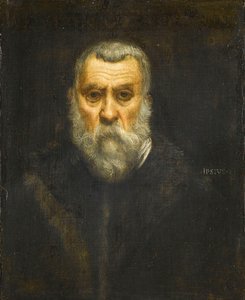
Tintoretto (Jacopo Comin)
1518 - 1594 , Italien
Eckdaten zum Künstler
- Beeinflusste Künstler:
- Tizian
- Michelangelo
- Bemerkenswerte Werke:
- Das Wunder des Hl. Markus
- Die Himmelfahrt Mariä
- Letzte Abendmahl (San Giorgio)
- Susanna und die Älteren
- Geburtsdatum: September/Oktober 1518
- Geburtsort: Venedig, Italien
- Künstlerische Richtung: Manierismus, Venezianische Schule
- Nationalität: Venezianisch
- Todatum: 31. Mai 1594
- Vollständiger Name: Jacopo Tintoretto
- Von Künstlern Beeinflusst:
- Bonifazio Veronese
- Paris Bordone
Verwandte Artikel

AllPaintingsStore.com F.A.Q.: Elevate Your Decor with Premium Textured Giclée Prints
Discover the distinction of AllPaintingsStore.com premium textured Giclée prints. Expertly crafted with archival 12-color pigments and museum-grade substrates, our prints offer unparalleled vividness for the discerning collector seeking luxury, durability, and timeless elegance.


