


 In echtem Maßstab anzeigen
 Versenden als Grußkarte
 Teilen
 Details anzeigen
 Leitfaden

 Herunterladen
 Ähnliche Objekte
 Röntgenaufnahme
 Diashow
 Besucherstatistiken
The Mistaken Advance


 Mehr anzeigen
Handgefertigte Ölreproduktion
Handgemaltes Ölgemälde auf Leinwand in Ihrer Wunschgröße und mit Rahmen, auf Bestellung von unseren Künstlern angefertigt. ( Zum Druck wechseln Zum digitalen Bild wechseln)




P118B $10

P118H $10

P118W $10

P438Z $10

P508JH $12

P508YH $12

P805H $10

P805Z $10

P919BZ $10

P919G $10

P919XJ $10

P959ZH $10

P968JZ $12

W106C $8

W218G $10

W218JH $8

W218Y $10

W307PJ $10

W316G $10

W316PJ $8

W316Y $10

W398PJ $8

W4111J $10

W500HY $15

W500JH $15

W692G $12

W849H $8

W940BG $15

W953PJ $8




Wählen Sie aus unseren vordefinierten Formaten, die den ursprünglichen Proportionen des Kunstwerks entsprechen.

Sie können Ihre eigenen Maße eingeben, um einen bestimmten Rahmen oder Platz auszufüllen. Wenn die gewählte Größe nicht den Proportionen des Originalbildes entspricht, werden wir das Kunstwerk entweder beschneiden oder das Gemälde durch zusätzliche, handgemalte Elemente erweitern. Ein digitales Mockup wird Ihnen zur Genehmigung zugesandt, bevor die Produktion beginnt.
Bitte beachten Sie, dass die Bildschirmvorschau nicht die tatsächliche Beschneidung oder Erweiterung widerspiegelt. Nur das Mockup zeigt die endgültige Komposition exakt an.
Obwohl Sondermaße verfügbar sind, empfehlen wir, eine Größe aus der vordefinierten Liste zu wählen, um die ursprünglichen Proportionen beizubehalten.
Nach der Bestellung wird das AllPaintingsStore.com-Team dem Kunden Anweisungen per E-Mail zusenden und eine Mockup-Vorschau bereitstellen.
Weltweiter Versand () in nur 3 bis 4 Wochen statt der üblichen 5 Wochen. (21 September). Keine Kompromisse bei der Qualität.

Kostenloser weltweiter Expressversand

Hochwertige Leinenleinwand

Vollständiger Versicherungsschutz beim Versand

Zollgebühren-Rückerstattungsgarantie

Garantie für exakte Farbtreue

100-tägiges Rückgaberecht (nur bei Mängeln)

100% Geld-zurück-Garantie

Angebot für Mengenrabatt
 Die Glasoption ist nur für Größen unter 110 cm verfügbar.

The Mistaken Advance
Reproduktionsmedium
Format der Reproduktion
-


Gesamtpreis
$ 258
A Tender Tableau of Rococo Romance
In the delicate dance of Jean-Antoine Watteau’s “The Mistaken Advance,” we find ourselves transported to an era where emotion was whispered rather than shouted. The painting presents a profoundly intimate scene: a man stands poised over a seated woman, his posture suggesting a moment caught in time—a hesitant gesture of affection or perhaps the quiet tension of an unspoken desire. Unlike the grand, sweeping dramas of the preceding Baroque period, Watteau invites us into a much more private sphere. There is no overt passion here; instead, the artist masterfully captures the subtle nuances of human connection through the tilt of a head, the direction of a gaze, and the soft, evocative language of body language. It is a scene that breathes with the quiet complexity of a secret shared between lovers.
The atmosphere of the work is one of ethereal beauty, perfectly embodying the Rococo sensibility. Watteau moves away from the heavy, monumental compositions of his predecessors to embrace something far more light-filled and spontaneous. The composition feels delightfully asymmetrical, as if we have stumbled upon a fleeting moment in a lush, pastoral garden. This sense of movement is complemented by a palette of soft, pastel hues that bathe the figures in a gentle, luminous glow. For the discerning collector or interior designer, this painting offers a sense of refined tranquility, making it an exquisite centerpiece for spaces designed to evoke elegance, grace, and a touch of nostalgic romance.
Mastery of Light and Delicate Artistry
To look closely at “The Mistaken Advance” is to witness the technical brilliance of one of France’s most gifted draughtsmen. Watteau’s technique is characterized by extraordinarily fine brushstrokes that lend a velvety texture to the fabrics and a lifelike softness to the skin. He utilized a sophisticated layering process known as glazing, applying thin, translucent washes of color over underlying layers to build up a sense of internal luminosity. This method allows light to appear as though it is emanating from within the canvas itself, creating an illusionistic depth that draws the viewer into the very heart of the scene.
This mastery of light and texture serves a greater symbolic purpose, reinforcing the painting's emotional resonance. The soft, diffused light mimics the fleeting nature of the moment being depicted—a romantic advance that is as fragile as it is beautiful. The background, with its hints of verdant trees and natural elements, provides a sense of depth and a bucolic escape, grounding the intimate human drama within the idyllic charm of a fête galante. For those seeking to infuse a room with sophistication, the painting’s ability to balance technical complexity with an airy, effortless grace makes it a timeless choice for high-quality reproductions.
A Legacy of Parisian Elegance
Emerging during the flourishing reign of Louis XV, “The Mistaken Advance” is a quintessential product of the Parisian salon culture. This was a period when art served as the heartbeat of social and intellectual life, where influential patrons gathered to celebrate beauty, wit, and the subtle pleasures of existence. Watteau’s ability to capture this spirit of leisure and refined sentiment helped define an entire epoch of French art history. His work revitalized the interest in color and movement, moving the artistic needle toward a more naturalistic and less formally classical approach.
Owning or displaying a reproduction of such a significant work is more than a decorative choice; it is an engagement with a pivotal moment in art history. The painting remains a profound exploration of the human heart, offering a window into a world where every gesture carries weight and every shadow tells a story. Whether placed in a sunlit morning room or a sophisticated study, “The Mistaken Advance” continues to inspire awe through its ability to evoke a sense of timeless, poetic intimacy.
Ähnliche Kunstwerke


Biografie des Künstlers
frühes Leben und Ausbildung
Jean Antoine Watteau, ein französischer Maler, wurde in Valenciennes, Frankreich, im Jahr 1684 geboren. Wenig ist über sein frühes Leben bekannt, aber es wird angenommen, dass er eine Ausbildung beim Künstler Julien in Valenciennes erhielt, bevor er 1702 nach Paris zog.Aufstieg zur Bedeutung
Watteaus einzigartiger Stil, der Elemente des Barock- und des aufkommenden Rokoko-Stils vereinte, gewann schnell an Popularität. Seine Werke waren durch ihre leuchtende, traumhafte Qualität gekennzeichnet und zeigten oft Szenen aus dem Alltag und Theateraufführungen. Zu den bemerkenswerten Werken dieser Zeit gehören:- Der Landtanze (1718-1721), ein Gemälde, das seine Meisterschaft bei der Darstellung des Wesens sorgloser, rustikaler Lebensweise zeigt.
- Zeres (Sommer) (1705), ein Beispiel für seine Fähigkeit, die Schönheit der Natur und das menschliche Erleben darzustellen.
- Das Eheversprechen (1710), ein Werk, das seine Fähigkeit hervorhebt, die Intimität häuslicher Szenen mit der Formalität von Verträgen in Einklang zu bringen.
Einfluss und Vermächtnis
Watteaus Einfluss auf die Kunstwelt war erheblich und beeinflusste die Entwicklung des Rokoko-Stils. Seine Werke befinden sich in verschiedenen Museen, darunter die Nationalgalerie der Künste (Washington, Vereinigte Staaten) und das Museo del Prado (Spanien). Trotz seines unerwarteten Todes im Alter von 37 Jahren hinterließ Watteau einen unauslöschlichen Eindruck in der Kunstgeschichte.Erfahren Sie mehr
Um sich tiefer mit Watteaus Welt vertraut zu machen, besuchen Sie [https://AllPaintingsStore.com/@/jean-antoine-watteau](https://AllPaintingsStore.com/@/jean-antoine-watteau) und entdecken Sie die umfangreiche Sammlung seiner Werke, darunter:- Kopf einer jungen Frau mit Kapuze (1715-1720), der seine Fähigkeit zeigt, die Feinheiten des menschlichen Ausdrucks einzufangen.
- Studie einer sich drehenden Frau und fünf Studien von Händen (1708-1712), die seine Hingabe zur Beherrschung der Feinheiten der menschlichen Form hervorhebt.
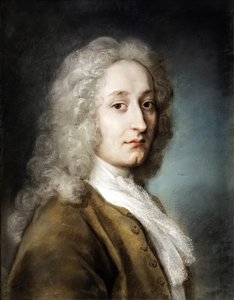
Jean-Antoine Watteau
1684 - 1721 , Frankreich
Eckdaten zum Künstler
- Beeinflusste Künstler:
- Fragonard
- Boucher
- Bemerkenswerte Werke:
- Der Landtanze
- Ceres (Sommer)
- Das Eheversprechen
- Gilles
- Die Verabschiedung nach Kythera
- Geburtsdatum: 1684
- Geburtsort: Valenciennes, Frankreich
- Künstlerische Bewegung: Rokoko
- Künstlerische Einflüsse:
- Titian
- Veronese
- Rubens
- Nationalität: Französisch
- Todatum: 1721
- Vollständiger Name: Jean-Antoine Watteau
Verwandte Artikel

Rococo Art Guide: Integrating Elegant Curves and Pastel Opulence into Luxury Hotel Design
Master the Rococo aesthetic for luxury hospitality. Our expert guide explores integrating pastel palettes, ornate curves, and large-scale fine art reproductions into high-end hotel design through professional procurement and custom canvas solutions.


