


 In echtem Maßstab anzeigen
 Versenden als Grußkarte
 Teilen
 Details anzeigen
 Leitfaden öffnen

 Herunterladen
 Ähnliche Objekte
 Röntgenaufnahme
 Diashow
 Besucherstatistiken
Mrs James Pulham, Snr


 Mehr anzeigen
Giclée / Kunstdruck
Giclée- oder Leinwanddruck in Museumsqualität mit schneller Produktion und flexiblen Veredelungsoptionen. ( Handgemalte Reproduktion kaufen Zum digitalen Bild wechseln)




P118B $10

P118H $10

P118W $10

P438Z $10

P508JH $12

P508YH $12

P805H $10

P805Z $10

P919BZ $10

P919G $10

P919XJ $10

P959ZH $10

P968JZ $12

W106C $8

W218G $10

W218JH $8

W218Y $10

W307PJ $10

W316G $10

W316PJ $8

W316Y $10

W398PJ $8

W4111J $10

W500HY $15

W500JH $15

W692G $12

W849H $8

W940BG $15

W953PJ $8




Wählen Sie aus unseren vordefinierten Formaten, die den ursprünglichen Proportionen des Kunstwerks entsprechen.

Sie können Ihre eigenen Maße eingeben, um ein bestimmtes Format oder einen speziellen Platz einzupassen. Wenn das von Ihnen gewählte Format nicht den Proportionen des Originalbildes entspricht, werden wir das Kunstwerk entweder beschneiden oder das Bild mit einem gespiegelten oder einfarbigen Rand erweitern. Ein digitaler Entwurf wird Ihnen zur Genehmigung zugesandt, bevor die Produktion beginnt.
Bitte beachten Sie, dass die Vorschau auf dem Bildschirm nicht den tatsächlichen Zuschnitt oder die Erweiterung widerspiegelt. Nur der Entwurf zeigt die endgültige Komposition präzise an.
Obwohl Sondermaße verfügbar sind, empfehlen wir die Auswahl eines Maßes aus der vordefinierten Liste, um die ursprünglichen Proportionen zu bewahren.
Weltweiter Versand () innerhalb von 2 Wochen statt der üblichen 4/5 Wochen. (26 September)

Kostenloser weltweiter Expressversand

Hochwertige Leinenleinwand

Vollständiger Versicherungsschutz beim Versand

Zollgebühren-Rückerstattungsgarantie

Garantie für exakte Farbtreue

100-tägiges Rückgaberecht (nur bei Mängeln)

100% Geld-zurück-Garantie

Angebot für Mengenrabatt
 Die Glasoption ist nur für Größen unter 110 cm verfügbar.

Mrs James Pulham, Snr
Giclée / Kunstdruck
Format der Reproduktion
-


Gesamtpreis
$ 64
A Portrait of Rural Grace: Mrs. James Pulham, Snr. by John Constable
John Constable’s “Mrs. James Pulham, Snr.” offers a poignant glimpse into the life and sensibilities of early 19th-century England, a world deeply intertwined with the rhythms of agriculture and the profound beauty of the natural landscape. Painted in 1818, this portrait transcends the conventional formality of its time, presenting a remarkably intimate and emotionally resonant depiction of Mrs. Pulham – a woman firmly rooted within the Dedham Vale, the very subject that would define Constable’s artistic legacy.
- Subject & Composition: The central focus is undeniably Mrs. James Pulham herself, her direct gaze engaging the viewer with an almost unsettling honesty. Her black dress and white collar – hallmarks of the period – are rendered with a delicate precision that speaks to Constable’s meticulous observation skills. The composition subtly integrates her into the surrounding environment; the chair, the other figures, and even the strategically placed umbrella all contribute to a sense of lived experience rather than a staged presentation.
- Technique & Style: Constable's brushwork is immediately recognizable – loose, expressive strokes that capture not just the likeness of his subject but also the very essence of light and atmosphere. This characteristic technique, honed through years of studying nature directly, imbues the portrait with a remarkable sense of immediacy and emotional depth. The subtle gradations of tone and color demonstrate his mastery of oil paint, allowing him to recreate the shimmering effects of sunlight on water and the muted hues of the rural landscape.
The Dedham Vale: A Landscape Within a Portrait
Constable’s connection to the Dedham Vale was profound, shaped by his family's ownership of land along the River Stour. This intimate familiarity is powerfully evident in “Mrs. James Pulham, Snr.” The landscape isn't merely a backdrop; it’s an integral part of the subject’s identity. The chair, for example, likely sits within the Pulhams’ own home, anchoring Mrs. Pulham to her familial and agricultural roots. This reflects Constable’s broader artistic project – to capture not just external reality but also the internal landscape of human experience shaped by its surroundings.
- Symbolism: The umbrella, a relatively recent addition to fashion at the time, subtly suggests protection from the elements, perhaps symbolizing Mrs. Pulham’s role as guardian of her household and family. The muted colors – browns, greens, and grays – evoke the tones of the English countryside, reinforcing the portrait's connection to its rural setting.
Historical Context & Constable’s Vision
Painted in 1818, “Mrs. James Pulham, Snr.” represents a pivotal moment in Constable’s artistic development. Following his initial flirtation with classical influences – particularly the works of Claude Lorrain – he increasingly sought to capture the unique character of the English landscape and its inhabitants. This portrait demonstrates his growing confidence in portraying not just picturesque scenes but also the emotional lives of ordinary people within that landscape. It aligns with Constable’s broader ambition to elevate rural life and the dignity of working-class individuals to the level of serious artistic subject matter, a radical departure from the prevailing tastes of the Royal Academy.
- Era: The painting reflects the social and cultural values of early 19th-century England, a period marked by both agricultural prosperity and growing industrialization. Constable’s portrayal offers a nostalgic glimpse into a vanishing way of life – one defined by close ties to the land and a strong sense of community.
Emotional Impact & Artistic Legacy
"Mrs. James Pulham, Snr." is more than just a portrait; it's a testament to Constable’s ability to capture human emotion through his art. Mrs. Pulham’s direct gaze invites the viewer into her world, fostering a sense of empathy and connection. This painting exemplifies Constable’s enduring legacy as one of England’s greatest landscape artists – a master of light, color, and emotional expression who transformed our understanding of the beauty and significance of the English countryside.
Ähnliche Kunstwerke


Biografie des Künstlers
**frühes Leben und Schwierigkeiten**
John Constable, ein renommierter britischer Künstler, wurde am 23. Juni 1776 in East Bergholt, Suffolk, geboren. Sein frühes Leben war geprägt von einer tiefen Verbundenheit mit der Natur, die später das Markenzeichen seines künstlerischen Stils werden sollte. Trotz zahlreicher Herausforderungen auf dem englischen Kunstmarkt ebnete Constable mit seiner unerschütterlichen Hingabe an sein Handwerk den Weg für ein Vermächtnis, das weit über seine Zeit hinausgeht.**Künstlerischer Stil und Einfluss**
Constables einzigartiger Ansatz in der Landschaftsmalerei, der durch seinen Fokus auf natürliche Schönheit und emotionale Tiefe geprägt war, markierte einen bedeutenden Wandel im Genre. Sein Einfluss war insbesondere in Frankreich tiefgreifend, wo er eine Schlüsselrolle bei der Gestaltung des Barbizon-Malerkollegs spielte. Diese Schule, die sich auf Realismus und Natur konzentrierte, zog direkt Inspiration von Constables Techniken und Themen.- Netley Abbey (Öl auf Leinwand), ein Beweis für seine Fähigkeit, den Kern natürlicher Landschaften einzufangen.
- The Judges Walk, Hampstead (Romantik, Öl), das seine Fähigkeit demonstriert, persönliche Note in seine Arbeit zu legen.
- A View on the Stour near Dedham (129 x 188 cm, Romantik, Öl auf Leinwand), ein Paradebeispiel für seinen Einfluss auf das Landschaftsgemälde.
**Vermächtnis und Erinnerung**
Heute wird John Constable nicht nur als Landschaftsmaler, sondern auch als Pionier in Erinnerung behalten, der neue Möglichkeiten für emotionale Ausdrucksweise in der Kunst eröffnete. Sein tiefgreifender Einfluss auf die Entwicklung der Landschaftsmalerei im 19. Jahrhundert und darüber hinaus ist unbestreitbar. Wichtige Punkte:** * Beeinflussend bei der Entwicklung des Barbizon-Kollegs in Frankreich * Pionier einer neuen Herangehensweise an die Landschaftsmalerei, mit Fokus auf natürliche Schönheit und emotionale Tiefe * Kämpfte während seines Lebenszeit für Anerkennung- Entdecken Sie weitere Werke von Constable hier: https://AllPaintingsStore.com/@/john-constable
- Erkunden Sie die Meisterwerke des Blake Museums (Vereinigtes Königreich) hier: https://AllPaintingsStore.com/@@/d3bux7
- Erfahren Sie mehr über das Barbizon-Kolleg und seinen Einfluss auf die Landschaftsmalerei hier: https://en.wikipedia.org/wiki/barbizon_school
**Fazit**
Das Vermächtnis von John Constable ist ein Beweis für die transformative Kraft der Kunst. Sein Einfluss auf die Landschaftsmalerei, sowohl in seiner Zeit als auch darüber hinaus, erinnert uns daran, wie tiefgreifend ein einzelner Künstler die Welt beeinflussen kann.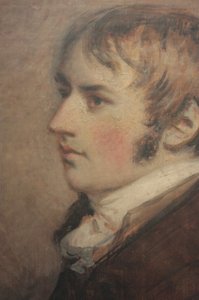
John Constable
1776 - 1837 , Vereinigtes Königreich
Eckdaten zum Künstler
- Beeinflusste Kunstrichtungen: Barbizon-Schule
- Beeinflusste Künstler:
- Claude Lorrain
- Jacob van Ruisdael
- Bemerkenswerte Werke:
- Netley Abbey
- The Judges Walk, Hampstead
- A View on the Stour
- Geburtsdatum: 23. Juni 1776
- Geburtsort: East Bergholt, Vereinigtes Königreich
- Künstlerischer Stil: Romantik
- Nationalität: Britisch
- Sterbedatum: 1837
- Vollständiger Name: John Constable
Verwandte Artikel

Timeless Contrast: A Professional Guide to Black and White Photography for Large-Scale Hotel Decor
A professional guide for hotel designers on utilizing black and white photography for large-scale decor. Learn to master scale, texture, and monochrome contrast to create impactful, high-end hospitality environments through efficient, bulk art procurement solutions.


