


 Vorschau anzeigen
 Versenden
 Teilen
 Details anzeigen
 Leitfaden

 Herunterladen
 Ähnliche Objekte
 Röntgenaufnahme
 Diashow
 Statistiken
Nicht imziniert (459)

 Weiterlesen
Giclée / Kunstdruck
Giclée- oder Leinwanddruck in Museumsqualität mit schneller Produktion und flexiblen Veredelungsoptionen. ( Handgemalte Reproduktion bestellen Zum digitalen Bild wechseln)




P118B €10

P118H €10

P118W €10

P438Z €10

P508JH €12

P508YH €12

P805H €10

P805Z €10

P919BZ €10

P919G €10

P919XJ €10

P959ZH €10

P968JZ €12

W106C €8

W218G €10

W218JH €8

W218Y €10

W307PJ €10

W316G €10

W316PJ €8

W316Y €10

W398PJ €8

W4111J €10

W500HY €15

W500JH €15

W692G €12

W849H €8

W940BG €15

W953PJ €8




Wählen Sie aus unseren vordefinierten Formaten, die den ursprünglichen Proportionen des Kunstwerks entsprechen.

Geben Sie die benötigte Breite und Höhe an, damit der Druck perfekt in Ihren Rahmen oder an Ihre Wand passt. Ein Druck kann nur beschnitten, aber niemals größer als das Originalbild angefertigt werden; daher verliert ein Format mit anderen Proportionen einen Teil des Bildes. Wir senden Ihnen ein digitales Mockup zur Freigabe, bevor wir den Druck ausführen. Das auf dieser Seite gezeigte Bild zeigt nicht den tatsächlichen Beschnitt – dies ist nur im Mockup ersichtlich.
Weltweiter Versand () innerhalb von 2 Wochen statt der üblichen 4/5 Wochen. (26 Oktober)

Kostenloser weltweiter Expressversand

Hochwertige Leinenleinwand

Umfassender Versicherungsschutz beim Versand

Zollgebühren-Rückerstattungsgarantie

Garantie für exakte Farbtreue

100 Tage Rückgaberecht (nur bei Mängeln)

100% Geld-zurück-Garantie

Mengenrabatt verfügbar
 Die Glasoption ist nur für Größen unter 110 cm verfügbar.

Nicht imziniert (459)
Giclée / Kunstdruck
Format der Reproduktion
-


Endpreis
€ 56
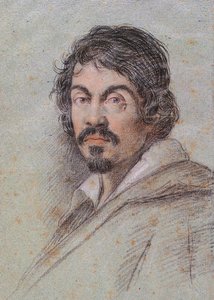
A Shadowed Portrait: Unveiling Caravaggio’s “Untitled (459)”
Michelangelo Merisi da Caravaggio, a name synonymous with the dramatic intensity of Baroque painting, was born in Milan in 1571, a period steeped in both artistic flourishing and societal upheaval. His early life was marked by profound loss; plague ravaged his hometown, claiming the lives of his father and grandfather when he was just six years old. Raised amidst relative poverty, young Michelangelo’s formative years instilled within him a keen awareness of human suffering and resilience—themes that would later become central to his artistic vision. He began his artistic training in Milan under Simone Peterzano, a former pupil of Titian, absorbing the fundamentals of Renaissance technique but already demonstrating an unmistakable inclination toward innovation. This apprenticeship provided invaluable grounding, yet it was in Rome, arriving around 1592, that Caravaggio truly blossomed—though not without initial hardship and considerable struggle. The city, a crucible of artistic ambition and papal patronage, challenged him to forge his own path amidst established conventions.The Subject: A Figure Defined by Dignity and Resolve
“Untitled (459)” presents us with a portrait of a man—likely commissioned by Francesco Maria del Monte—characterized by an arresting stillness. The subject is depicted in profile, gazing directly at the viewer with an expression that oscillates between solemn contemplation and quiet defiance. His attire – a dark suit and tie – speaks to the formality of his social standing, yet it’s his face itself that commands attention. Caravaggio meticulously captures the nuances of skin texture, muscle structure, and subtle facial expressions, reflecting a revolutionary commitment to realism previously unseen in Italian painting. The artist's masterful rendering emphasizes not merely physical appearance but also psychological depth—a deliberate choice intended to convey an inner life brimming with emotion.Technique: Tenebrism – Light and Darkness as Narrative Tools
Caravaggio’s signature technique, tenebrism, elevates this portrait beyond mere representation into a powerful statement of artistic vision. This dramatic style employs stark contrasts between light and shadow—illuminating the man's face and upper torso with a radiant glow while plunging the background into impenetrable darkness. This deliberate manipulation of chiaroscuro isn’t merely decorative; it serves as an integral component of the narrative, symbolizing spiritual illumination against encroaching obscurity. Caravaggio achieved this effect through painstaking layering of glazes—a technique demanding immense patience and precision—resulting in surfaces that shimmer with subtle color variations despite their predominantly dark palette. The careful placement of light directs the viewer’s gaze, intensifying the emotional impact of the image and reinforcing the subject's unwavering gaze.Historical Context: Baroque Rome – A Shift Towards Emotion and Drama
Caravaggio’s work emerged during the height of the Baroque period in Rome—a time marked by papal ambition, religious fervor, and a fervent desire to inspire awe and devotion. Artists like Caravaggio rejected the idealized beauty favored by Renaissance painters, opting instead for unflinching depictions of human experience – often infused with psychological complexity. His canvases confronted viewers with uncomfortable truths about mortality, faith, and human vulnerability—a bold departure from prevailing artistic sensibilities. The patronage of Francesco Maria del Monte, a wealthy humanist scholar and collector, provided Caravaggio with crucial support during his formative years in Rome, fostering an environment conducive to experimentation and innovation.Symbolism: Darkness Represents Uncertainty; Light Signifies Divine Grace
The pervasive darkness surrounding the man’s figure is laden with symbolic significance—representing not merely physical absence but also spiritual obscurity. Caravaggio skillfully utilizes this visual motif to convey a profound meditation on faith and doubt, mirroring the anxieties of his era. Conversely, the radiant illumination focused on the subject's face symbolizes divine grace—a beacon of hope amidst darkness—underscoring the importance of inner contemplation and moral fortitude. Through these carefully considered artistic choices, Caravaggio transcends mere portraiture, transforming it into a vehicle for conveying timeless themes of spirituality and human resilience.Fragen & Antworten
Ist "Nicht imziniert (459)" als Kunstdruck erhältlich?
Einen Druck von "Nicht imziniert (459)" von Karavaggio können Sie direkt auf der entsprechenden Kunstdruck in Premiumqualität-Seite bestellen: ein Fine Art Print auf Baumwollkanvas oder Archiv-Leinwandpapier.
Welches Druckformat wird für "Nicht imziniert (459)" von Karavaggio empfohlen?
Format Großformatig, Ausrichtung Hochformat: Dies ist die empfohlene Druckeinstellung für "Nicht imziniert (459)" von Karavaggio.
Welchem Künstler wird "Nicht imziniert (459)" zugeschrieben?
Der Künstler hinter „Nicht imziniert (459)“ ist Karavaggio. Das Werk ist unter dem Namen von Karavaggio katalogisiert.
Ähnliche Kunstwerke


Künstlerbiografie
Michelangelo Merisi da Caravaggio: Leben und Vermächtnis
Frühes Leben und Ausbildung (1571-1592)
- Michelangelo Merisi da Caravaggio, bekannt als einfach nur Caravaggio, wurde 1571 in Mailand geboren.
- Seine Familie zog aufgrund einer verheerenden Pest, die Mailand heimsuchte, in die Stadt Caravaggio.
- Nach dem Tod seines Vaters und Großvaters im Jahr 1577 lebte Caravaggios Mutter mit ihren fünf Kindern in Armut.
- Im Jahr 1584 begann er eine vierjährige Lehre bei Simone Peterzano, einem Maler, der Schüler von Tizian gewesen war. Diese grundlegende Ausbildung vermittelte ihm die Techniken der Renaissance-Malerei.
Künstlerische Karriere und Stil (1592-1610)
- Caravaggios künstlerische Karriere blühte in Rom, wo er um 1592 eintraf. Zunächst hatte er Schwierigkeiten, Anerkennung zu finden, etablierte sich aber schnell mit seinem innovativen Stil.
- Seine herausragendste Eigenschaft war seine meisterhafte Verwendung von Chiaroscuro, dem dramatischen Kontrast zwischen Licht und Dunkelheit. Diese Technik, oft als Tenebrism bezeichnet, wurde zu einer Markenzeichen der Barockmalerei.
- Er lehnte idealisierte Formen ab und setzte stattdessen auf realistische Darstellungen, indem er oft gewöhnliche Menschen als Modelle für religiöse Figuren verwendete.
- Caravaggios Gemälde sind bekannt für ihre intensive emotionale Realität und dramatische Erzählweise.
Wichtige Werke
- Die Wahrsagerin (1594): Ein frühes Werk, das seinen realistischen Stil und seine Detailgenauigkeit zeigt.
- Das Abendmahl zu Emmaus (1601-1602): Eine kraftvolle Darstellung der biblischen Szene, die seine Meisterschaft im Chiaroscuro und seine emotionale Intensität demonstriert.
- Heiliger Franz von Assisi in Ekstase (1594): Veranschaulicht seine Fähigkeit, spirituelle Erfahrungen durch realistische Bilder auszudrücken.
- Die Absetzung Christi (ca. 1602): Eine dramatische Komposition, die Verrat und Gefangennahme Jesu hervorhebt.
- David mit dem Kopf des Goliath (ca. 1610): Ein psychologisch komplexes Porträt des biblischen Helden.
Einflüsse und künstlerische Entwicklung
- Caravaggio war von den Werken der Renaissance-Meister wie Tizian, Leonardo da Vinci und Michelangelo beeinflusst, die er während seiner Ausbildung studierte.
- Er ging vom vorherrschenden Manierismus ab und übernahm einen direkteren und naturalistischen Ansatz in der Malerei.
- Seine Verwendung von Licht und Schatten wurde von künstlerischen Traditionen sowie dem im römischen Theater üblichen Bühnenlicht inspiriert.
Wichtige Leistungen und historische Bedeutung
- Caravaggio revolutionierte die Barockmalerei mit seinem dramatischen Realismus, seiner innovativen Verwendung von Chiaroscuro und seinen emotional aufgeladenen Kompositionen.
- Er inspirierte eine Generation von Künstlern, die sogenannten “Caravaggisti” oder “Schattenmalern”, die seinen Stil in ganz Europa übernahmen. Bekannte Anhänger sind Peter Paul Rubens, Jusepe de Ribera und Gerrit van Honthorst.
- Sein Werk stellte künstlerische Konventionen in Frage und ebnete den Weg für einen moderneren Ansatz in der Malerei.
- Trotz eines turbulenten Privatlebens, das von Gewalt und rechtlichen Schwierigkeiten geprägt war, bleibt Caravaggios künstlerisches Vermächtnis tiefgreifend und dauerhaft.
Spätes Leben und Tod
- Im Jahr 1606 floh Caravaggio aus Rom, nachdem er in einer Schlägerei einen Mann getötet hatte. Er verbrachte die nächsten Jahre damit, zwischen Neapel, Malta und Sizilien zu wandern.
- Er suchte eine päpstliche Amnestie, wurde aber weiterhin mit rechtlichen Schwierigkeiten und persönlichen Konflikten konfrontiert.
- Caravaggio starb 1610 in Porto Ercole, Italien, unter mysteriösen Umständen. Der Todesursache ist bis heute umstritten, wobei Theorien von Fieber bis Vergiftung reichen.
Karavaggio
1571 - 1610 , Spanien
Kurzinfos
- Beeinflusste Künstler:
- Peter Paul Rubens
- Jusepe de Ribera
- Gerrit van Honthorst
- Bemerkenswerte Werke:
- Die Wahrsagerin
- Das Abendmahl zu Emmaus
- Heiliger Franziskus in Ekstase
- Die Absetzung Christi
- David mit dem Kopf des Goliath
- Geburtsdatum: 1571
- Geburtsort: Mailand, Spanien
- Künstlerische Bewegung: Barockmalerei
- Künstlerische Einflüsse:
- Simone Peterzano
- Tizian
- Leonardo da Vinci
- Michelangelo
- Nationalität: Italienisch
- Todatum: 1610
- Vollständiger Name: Michelangelo Merisi da Caravaggio
Ähnliche Artikel

The Visceral Stage: Exploring Dramatic Narratives & Emotional Intensity in Baroque Art
Explore the dramatic world of Baroque art! Discover iconic masters like Caravaggio & Rembrandt, their techniques, and the movement's lasting impact. Expert insights for collectors & enthusiasts at AllPaintingsStore.

Drama and Light: A Definitive Guide to the Italian Baroque Masterpieces and the Revolution of Chiaroscuro
Explore the dramatic world of Italian Baroque art. Discover how masters like Caravaggio used chiaroscuro and tenebrism to revolutionize painting through light, shadow, and profound realism. A definitive guide for history lovers and art collectors.

Barock Meisterwerke: Die 10 prägendsten Kunstwerke für Ihr Zuhause |
Entdecken Sie die 10 prägendsten Meisterwerke des Barock! Caravaggio, Rembrandt & Co. – Erfahren Sie die Geschichten hinter ikonischen Gemälde und finden Sie hochwertige Kunst Reproduktionen für Ihr Zuhause auf .

The Dramatic Flourish: Exploring the Baroque Movement's Enduring Legacy in Art History
Explore the dramatic world of Baroque art! Discover iconic artists like Caravaggio & Rubens, defining techniques, and its lasting impact on art history. Expert insights for collectors & enthusiasts at AllPaintingsStore.

Chiaroscuro & Emotional Resonance: Exploring Dramatic Light in Western Painting
Explore the captivating world of chiaroscuro & tenebrism! Discover Caravaggio's influence, Baroque masters, and the enduring power of dramatic lighting in art history. Learn about these techniques with AllPaintingsStore.


