


 Vorschau anzeigen
 Versenden
 Teilen
 Details anzeigen
 Leitfaden

 Herunterladen
 Ähnliche Objekte
 Röntgenaufnahme
 Diashow
 Q&A
Q&A Statistiken
Hölle

 Weiterlesen
Giclée / Kunstdruck
Giclée- oder Leinwanddruck in Museumsqualität mit schneller Produktion und flexiblen Veredelungsoptionen. ( Handgemalte Reproduktion bestellen Zum digitalen Bild wechseln)




P118B €10

P118H €10

P118W €10

P438Z €10

P508JH €12

P508YH €12

P805H €10

P805Z €10

P919BZ €10

P919G €10

P919XJ €10

P959ZH €10

P968JZ €12

W106C €8

W218G €10

W218JH €8

W218Y €10

W307PJ €10

W316G €10

W316PJ €8

W316Y €10

W398PJ €8

W4111J €10

W500HY €15

W500JH €15

W692G €12

W849H €8

W940BG €15

W953PJ €8




Wählen Sie aus unseren vordefinierten Formaten, die den ursprünglichen Proportionen des Kunstwerks entsprechen.

Geben Sie die benötigte Breite und Höhe an, damit der Druck perfekt in Ihren Rahmen oder an Ihre Wand passt. Ein Druck kann nur beschnitten, aber niemals größer als das Originalbild angefertigt werden; daher verliert ein Format mit anderen Proportionen einen Teil des Bildes. Wir senden Ihnen ein digitales Mockup zur Freigabe, bevor wir den Druck ausführen. Das auf dieser Seite gezeigte Bild zeigt nicht den tatsächlichen Beschnitt – dies ist nur im Mockup ersichtlich.
Weltweiter Versand () innerhalb von 2 Wochen statt der üblichen 4/5 Wochen. (30 Oktober)

Kostenloser weltweiter Expressversand

Hochwertige Leinenleinwand

Umfassender Versicherungsschutz beim Versand

Zollgebühren-Rückerstattungsgarantie

Garantie für exakte Farbtreue

100 Tage Rückgaberecht (nur bei Mängeln)

100% Geld-zurück-Garantie

Mengenrabatt verfügbar
 Die Glasoption ist nur für Größen unter 110 cm verfügbar.

Hölle
Giclée / Kunstdruck
Format der Reproduktion
-


Endpreis
€ 56
Decoding the Quiet Intensity of “Hell” by Katsushika Hokusai
The painting "Hell" attributed to Katsushika Hokusai, though shrouded in mystery regarding its precise provenance and date—scholars debate whether it’s a genuine Hokusai work or a masterful imitation—commands attention nonetheless. It's not the grand spectacle of *The Great Wave*, but rather a deceptively simple depiction of figures seated around a table laden with bowls and utensils, punctuated by the striking presence of a drummer. This unassuming composition belies a profound exploration of Buddhist iconography and psychological depth, offering viewers a glimpse into the artist’s contemplative spirit.A Window Into Buddhist Symbolism
Hokusai's oeuvre is deeply rooted in Japanese Buddhism, particularly Zen philosophy. “Hell” embodies this influence through its careful arrangement of elements—the table represents earthly existence, while the bowls symbolize nourishment and sustenance. More subtly, the drummer serves as a powerful visual metaphor for overcoming obstacles and achieving enlightenment. The drumbeat signifies perseverance and rhythmic movement toward spiritual liberation, mirroring the cyclical nature of Buddhist teachings on karma and rebirth. It’s a deliberate choice to convey not just physical comfort but also inner fortitude—a cornerstone of Zen practice.The Delicate Dance of Color and Line
Executed in Hokusai's signature monochrome style – predominantly Prussian blue – “Hell” exemplifies his masterful command of line and tonal gradation. Unlike the vibrant hues characteristic of Western Impressionism, Hokusai prioritized capturing atmospheric perspective and conveying emotion through subtle shifts in hue and shading. The Prussian blue dominates the canvas, creating a serene yet melancholic mood that reflects the contemplative atmosphere of Zen monasteries. Lines are meticulously crafted to delineate forms with precision, while delicate washes of color subtly enhance the overall tonal range. This technique—known as *sumi-e*, or ink wash painting—allowed Hokusai to achieve an unparalleled level of expressive subtlety.Historical Context: Edo Period Reflections
“Hell” emerged during the Edo period (1603–1868), a time of relative peace and prosperity under Tokugawa rule, yet also marked by intense social stratification and anxieties about mortality. Buddhist beliefs permeated daily life, influencing artistic representations of death and afterlife. Hokusai’s depiction aligns with this cultural preoccupation—the solemn gathering around the table speaks to the universal human experience of confronting existential questions. The image isn't merely aesthetically pleasing; it’s a reflection of the spiritual concerns prevalent in Japanese society during its golden age.Emotional Resonance: Finding Calm Amidst Chaos
Ultimately, “Hell” transcends its formal elements to evoke a powerful emotional response. Despite its title—a reference to Buddhist depictions of purgatory—the painting exudes tranquility rather than terror. The quiet stillness of the scene invites contemplation and encourages viewers to consider their own relationship with life’s challenges. Hokusai's ability to distill complex philosophical ideas into a deceptively simple visual form underscores his genius as an artist and ensures that “Hell” continues to captivate audiences centuries after its creation. It serves as a poignant reminder that beauty can be found even in confronting difficult truths—a timeless message conveyed with breathtaking artistry.Fragen & Antworten
Ist "Hölle" insgesamt eher hell oder eher dunkel?
"Hölle" von Katsushika Hokusai weist eine Helligkeit von strahlend mit einer Luminanz von Gesamthelligkeit auf.
Welcher Phase in der künstlerischen Entwicklung von Katsushika Hokusai lässt sich "Hölle" zuordnen?
„Hölle“ entstammt der Mature Period von Katsushika Hokusai. Diese Einordnung setzt das Werk in Bezug zur künstlerischen Entwicklung des Künstlers.
Wie wirkt die Helligkeit von "Hölle" von Katsushika Hokusai?
Insgesamt wird „Hölle“ mit einer Helligkeit von strahlend erfasst. Die wahrgenommene Helligkeit beschreibt, wie hell oder dunkel das Werk erscheint.
Ähnliche Kunstwerke


Künstlerbiografie
Katsushika Hokusai: Leben und Vermächtnis
Frühes Leben und Ausbildung
Katsushika Hokusai, geboren in Edo (dem heutigen Tokio), Japan um den 31. Oktober 1760, war eine zentrale Figur der japanischen Kunstwelt. Sein frühes Leben wurde von seinem Vater, Nakajima Ise, einem Spiegelhersteller für den Shogun, geprägt. Bereits im Alter von sechs Jahren – wie berichtet – zeigte Hokusai eine Begabung für das Zeichnen, und er lernte vermutlich die grundlegenden Fähigkeiten von seinem Vater. Diese anfängliche Auseinandersetzung entfachte eine lebenslange Leidenschaft, die seinen künstlerischen Weg prägen sollte.
Künstlerische Entwicklung und Karriere
Mit zwölf Jahren begann Hokusai in einem Buchhandlung und einer Bibliothek zu arbeiten, einer Umgebung, die seine intellektuelle Neugier förderte und seine Fähigkeiten weiter ausbaute. Mit achtzehn Jahren trat er in das Studio von Katsukawa Shunshō ein, dem Leiter der Katsukawa Schule, die sich auf *ukiyo-e* – Holzschnitzdrucke, die Szenen aus dem Alltag darstellten – spezialisiert hatte. Dies markierte einen entscheidenden Wendepunkt und leitete seine fruchtbare Karriere ein.
- Hokusai änderte seinen Namen im Laufe seines Lebens mehr als 30 Mal und nahm verschiedene Pseudonyme an. Diese Praxis war unter *ukiyo-e*-Künstlern üblich und spiegelte künstlerische Neugestaltungen wider.
- Er begann zunächst mit Illustrationen für Bücher, bevor er sich auf Einzelblattdrucke ausweitete.
- Seine frühen Werke zeigten oft Darstellungen von Schauspielern, Geishas und Landschaften.
Wichtige Leistungen und bemerkenswerte Werke
Hokusais künstlerische Produktion war äußerst vielfältig. Er produzierte im Laufe seiner Karriere Tausende von Holzschnitzdrucken, Gemälden und illustrierten Büchern. Einige seiner bekanntesten Werke sind:
- Dreißig-sechs Ansichten des Fuji (富嶽三十六景, Fugaku Sanjūroku-kei, ca. 1831): Diese Serie festigte Hokusais Ruhm, insbesondere der ikonische Die Große Welle vor Kanagawa.
- Feuerwerke am Ryōgoku Bridge (1790): Ein bahnbrechendes Werk, das seine Fähigkeit demonstriert, dynamische Szenen aus dem Alltag einzufangen.
- Hokusai Manga: Eine Sammlung von Skizzen und Studien, die eine breite Palette von Themen – Menschen, Tiere, Landschaften – zeigt und die Entwicklung der Mangakunst als Kunstform beeinflusste.
Einflüsse und künstlerischer Stil
Obwohl er tief in den traditionellen japanischen Ästhetiken verwurzelt war, war Hokusais Stil innovativ und experimentell. Er ließ sich von:
- Ukiyo-e Traditionen: Beherrschung der Techniken des Holzschnitzdrucks und der Themen.
- Chinesische Landschaftsmalerei: Integration von Elementen der Perspektive und Komposition.
- Alltagsleben in Edo: Erfassung der Energie und Lebendigkeit Japans der Stadt.
Hokusais unverwechselbarer Stil ist durch kräftige Linien, leuchtende Farben, dynamische Kompositionen und eine scharfe Beobachtung der Natur gekennzeichnet. Er war ein Meister der Perspektive und nutzte sie, um dramatische und immersive Szenen zu schaffen.
Historische Bedeutung und Vermächtnis
Hokusais Werk hatte im späten 19. Jahrhundert einen tiefgreifenden Einfluss auf die westliche Kunst, der mit dem *Japonismus*-Trend zusammenfiel. Seine innovativen Kompositionen, die Verwendung von Farbe und Themen fesselten europäische Künstler.
- Einfluss auf den Impressionismus: Künstler wie Claude Monet, Edgar Degas und Vincent van Gogh wurden von Hokusais Werk, insbesondere seinen Landschaften und der Verwendung des Lichts, tief inspiriert.
- Auswirkungen auf die moderne Kunst: Sein Einfluss erstreckte sich über den Impressionismus hinaus und prägte die Entwicklung moderner Kunstbewegungen.
- Dauerbeliebtheit: Heute gilt Hokusai als einer der berühmtesten Künstler Japans, und seine Werke werden weltweit für ihre Schönheit, ihren künstlerischen Wert und ihre kulturelle Bedeutung bewundert.
Letzte Jahre
Hokusai arbeitete bis zu seinem Tod im Jahr 1849 im Alter von 89 Jahren weiter an seinen Werken. Er hinterließ ein riesiges Werk, das Künstler und Kunstinteressierte bis heute inspiriert, und festigte damit seinen Platz als wahrer Meister des *ukiyo-e* und eine bedeutende Figur in der Geschichte der Kunst.
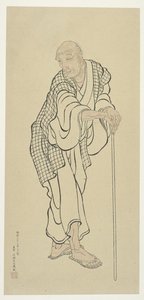
Katsushika Hokusai
1760 - 1849 , Japan
Kurzinfos
- Beeinflusste Künstler:
- Claude Monet
- Edgar Degas
- Vincent van Gogh
- Bemerkenswerte Werke:
- Fugaku Sanjūroku-kei
- Die große Welle vor Kanagawa
- Feuerwerk an der Ryōgoku Brücke
- Hokusai Manga
- Geburtsdatum: 31. Oktober 1760
- Geburtsort: Tokio, Japan
- Künstlerische Einflüsse: ['Katsukawa Shunshō']
- Künstlerische Richtung: Ukiyo-e
- Nationalität: Japanisch
- Sterbedatum: 1849
- Vollständiger Name: Katsushika Hokusai
Ähnliche Artikel

Katsushika Hokusai: Die 25 Meisterwerke des Ukiyo-e – Kunst für Ihr Zuhause | AllPaintingsStore
Entdecken Sie die 25 Meisterwerke von Katsushika Hokusai! Tauchen Sie ein in die Welt des Ukiyo-e, berühmte Holzschnitte wie 'Die große Welle' & Fuji-Ansichten. Hochwertige Kunstdrucke für Ihr Zuhause – jetzt auf AllPaintingsStore.com!

Beyond the Great Wave: The High-Impact Visual Revolution of Japanese Landscape Art
Go beyond Hokusai's Great Wave. Explore the high-impact, graphic world of Japanese Ukiyo-e landscapes and urban prints. Discover how these bold, vibrant woodblock masterpieces continue to shape modern pop culture and contemporary design aesthetics.

Floating Worlds: A Definitive Guide to the Mastery and Philosophy of Japanese Ukiyo-e Woodblock Prints
Explore the profound beauty of Ukiyo-e. Discover the history, philosophy, and legendary masters of Japanese woodblock prints, from Hokusai to Kuniyoshi, in this expert guide to the 'Floating World'.

Katsushika Hokusai: Leben, Werk und Vermächtnis eines Ukiyo-e Meisters
Entdecken Sie das Leben und Werk von Katsushika Hokusai, dem Meister der Ukiyo-e! Erfahren Sie mehr über seine ikonischen Holzschnitte, seinen einzigartigen Stil und sein bleibendes Vermächtnis in der japanischen Kunstgeschichte.

Japonismus: Wie japanische Holzschnitte die Ästhetik der westlichen Moderne revolutionierten
Erfahren Sie alles über den Einfluss japanischer Holzschnitte auf die westliche Moderne. Entdecken Sie die Ästhetik des Japonismus jetzt!


