


 In echtem Maßstab anzeigen
 Versenden als Grußkarte
 Teilen
 Details anzeigen
 Leitfaden

 Herunterladen
 Ähnliche Objekte
 Röntgenaufnahme
 Diashow
 Besucherstatistiken
Heads


 Mehr anzeigen
Handgefertigte Ölreproduktion
Handgemaltes Ölgemälde auf Leinwand in Ihrer Wunschgröße und mit Rahmen, auf Bestellung von unseren Künstlern angefertigt. ( Zum Druck wechseln Zum digitalen Bild wechseln)




P118B $10

P118H $10

P118W $10

P438Z $10

P508JH $12

P508YH $12

P805H $10

P805Z $10

P919BZ $10

P919G $10

P919XJ $10

P959ZH $10

P968JZ $12

W106C $8

W218G $10

W218JH $8

W218Y $10

W307PJ $10

W316G $10

W316PJ $8

W316Y $10

W398PJ $8

W4111J $10

W500HY $15

W500JH $15

W692G $12

W849H $8

W940BG $15

W953PJ $8




Wählen Sie aus unseren vordefinierten Formaten, die den ursprünglichen Proportionen des Kunstwerks entsprechen.

Sie können Ihre eigenen Maße eingeben, um einen bestimmten Rahmen oder Platz auszufüllen. Wenn die gewählte Größe nicht den Proportionen des Originalbildes entspricht, werden wir das Kunstwerk entweder beschneiden oder das Gemälde durch zusätzliche, handgemalte Elemente erweitern. Ein digitales Mockup wird Ihnen zur Genehmigung zugesandt, bevor die Produktion beginnt.
Bitte beachten Sie, dass die Bildschirmvorschau nicht die tatsächliche Beschneidung oder Erweiterung widerspiegelt. Nur das Mockup zeigt die endgültige Komposition exakt an.
Obwohl Sondermaße verfügbar sind, empfehlen wir, eine Größe aus der vordefinierten Liste zu wählen, um die ursprünglichen Proportionen beizubehalten.
Nach der Bestellung wird das AllPaintingsStore.com-Team dem Kunden Anweisungen per E-Mail zusenden und eine Mockup-Vorschau bereitstellen.
Weltweiter Versand () in nur 3 bis 4 Wochen statt der üblichen 5 Wochen. (24 September). Keine Kompromisse bei der Qualität.

Kostenloser weltweiter Expressversand

Hochwertige Leinenleinwand

Vollständiger Versicherungsschutz beim Versand

Zollgebühren-Rückerstattungsgarantie

Garantie für exakte Farbtreue

100-tägiges Rückgaberecht (nur bei Mängeln)

100% Geld-zurück-Garantie

Angebot für Mengenrabatt
 Die Glasoption ist nur für Größen unter 110 cm verfügbar.

Heads
Reproduktionsmedium
Format der Reproduktion
-


Gesamtpreis
$ 258
A Visceral Encounter with the Human Form
In the evocative painting titled Heads, the viewer is immediately confronted by a raw, primal energy that transcends mere representation. Unlike the serene, color-field abstractions often associated with the era, this work presents a striking trio of faces, their mouths agape in what feels like a silent, collective cry or a shared moment of profound revelation. Each face, rendered with distinct features and expressions, appears to emerge directly from the grain of a wooden surface—perhaps an ancient door or a weathered piece of furniture—lending the composition an organic, almost archaeological quality. This integration of subject and substrate creates a haunting illusion, as if these spirits are trapped within the very material of the world, waiting to be released through the power of sight.
The composition is further enriched by subtle, enigmatic details that invite deep contemplation. Beyond the primary trio of faces, smaller figures linger in the periphery—one tucked near the upper left corner and another positioned toward the right edge. These secondary elements act as silent witnesses, adding layers of complexity and depth to the visual narrative. The way the faces all gaze in a singular direction suggests a shared focus on something unseen by the viewer, evoking a sense of mystery and collective anticipation that is both unsettling and deeply captivating.
Technique and the Texture of Emotion
The artistry behind Heads lies in its masterful command of texture and layered application. The painting possesses a tactile quality that blurs the line between fine art and folk expressionism. By utilizing the natural textures of the wooden background, the artist achieves a sense of permanence and weight. The brushwork, while seemingly spontaneous, is executed with a deliberate hand to ensure that each facial feature carries its own emotional weight. This technique creates a "grained" effect where the pigment seems to seep into the wood, making the faces feel less like paint applied on top of a surface and more like an intrinsic part of the object itself.
For the discerning collector or interior designer, this piece offers a unique opportunity to introduce a conversation starter into any space. The interplay between the ruggedness of the wooden texture and the expressive fluidity of the painted faces provides a sophisticated tension that complements both modern minimalist settings and more rustic, eclectic decors. It is a work that demands attention, pulling the observer into its rhythmic, repetitive movement of gaze and expression.
Symbolism and the Resonance of the Human Spirit
At its core, Heads serves as a profound meditation on the human condition. The open mouths and directed gazes can be interpreted through various lenses: they may represent the universal struggle for voice, the shock of sudden realization, or the shared experience of existential awe. There is an undeniable vulnerability in these figures, yet there is also a monumental strength found in their unified direction. The painting captures that fleeting, intense moment where individual identity merges into a collective emotional state.
To possess a reproduction of such a powerful work is to bring a piece of profound psychological depth into one's environment. It is more than a decorative element; it is an invitation to reflect on the shared vulnerabilities and triumphs of humanity. Whether viewed as a study in primal expression or a complex narrative of hidden figures, Heads remains an enduring testament to the ability of art to capture the intangible essence of the soul.


Biografie des Künstlers
frühes Leben und Einflüsse
Mark Rothko (Marcus Rothkowitz), ein renommierter amerikanischer Künstler, wurde am 25. September 1903 in Dwinisk, Lettland, geboren. Seine Familie immigrierte als Kind, gerade zehn Jahre alt, in die Vereinigten Staaten. Diese kulturelle Veränderung beeinflusste später seinen künstlerischen Stil.künstlerische Entwicklung
Rothkos frühe Werke waren durch den **abstrakten Expressionismus** geprägt, einen Stil, der die Prozesshaftigkeit der Kunstschaffung betonte und nicht das Endprodukt. Seine Gemälde, wie No. 18 (1948) und Untitled (1948), zeigten seinen einzigartigen Ansatz für Farbe und Form.- **Farbfeld:** Rothkos Verwendung von kräftigen, rechteckigen Farbflächen, oft in scharfem Kontrast zueinander, erzeugte ein Gefühl von Tiefe und Emotion.
- **Organische Struktur:** Seine Gemälde wirkten lebendig, als wären die Farben lebendige Wesen.
Bemerkenswerte Werke und Ausstellungen
- No. 10 (1950), ein Gemälde, das einen bedeutenden Wandel in Rothkos Stil markierte, befindet sich heute im Besitz der Museum of Modern Arts.
- Die Seagram-Muralen, eine Reihe von Gemälden, die für das Restaurant Four Seasons angefertigt wurden, zeigten Rothkos Fähigkeit, seinen Stil an verschiedene Umgebungen anzupassen.
- No. 3 (1950), ein Gemälde, das Rothkos Verwendung von kräftigen, rechteckigen Farbflächen veranschaulicht.
Spätes Leben und Vermächtnis
Rothkos Leben war von Kämpfen mit psychischen Problemen und einer turbulenten Ehe geprägt. Er starb am 25. Februar 1970 im Alter von 66 Jahren. Trotz seiner Herausforderungen hinterließ Rothko einen unauslöschlichen Eindruck in der Kunstwelt. Ochre and Red on Red (Farbfeld), ein Gemälde, das Rothkos einzigartigen Ansatz für Farbe zeigt, befindet sich in der Sammlung von AllPaintingsStore.com. Mark Rothkos Wikipedia-Seite bietet weitere Einblicke in sein Leben und seinen künstlerischen Stil.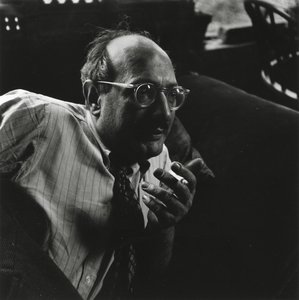
Mark Rothko
1903 - 1970 , Lettland
Eckdaten zum Künstler
- Beeinflusste Künstler: ['Minimalistische Kunst']
- Bemerkenswerte Werke:
- Nr. 18 (1948)
- Nr. 10 (1950)
- Seagram-Wandbilder
- Nr. 3 (1950)
- Einflüsse:
- Surrealismus
- Marxistische Philosophie
- Geburtsdatum: 25. September 1903
- Geburtsort: Daugavpils, Lettland
- Künstlerische Bewegung: Abstrakter Expressionismus
- Nationalität: Amerikanisch
- Todatum: 25. Februar 1970
- Vollständiger Name: Mark Rothko / Marcus Rothkowitz
Verwandte Artikel

The Essence of Abstraction: A Definitive Guide to the Power and History of Color Field Painting Masterpieces
Explore the profound emotional depth of Color Field painting. Our expert guide delves into the post-war origins of Abstract Expressionism, analyzing masterpieces by Rothko and Newman. Discover museum-grade, hand-painted oil reproductions that bring art history to your walls.

Mark Rothkos Meisterwerke: Die Top 25 für Kunstliebhaber | AllPaintingsStore
Entdecken Sie die 25 Meisterwerke von Mark Rothko! Tauchen Sie ein in die Welt der abstrakten Kunst, des Expressionismus und der Farbfeldmalerei. Hochwertige Kunstdrucke & Reproduktionen auf AllPaintingsStore.com – für Ihre Wohnräume.

Color Field Painting: The Emotional Power of Pure Abstraction and Chromatic Depth
Explore the profound emotional depth of Color Field painting. Discover the history of mid-century abstraction, from Rothko to Newman, and learn how pure color transforms the viewer's experience through our expert art history guide.

Abstrakter Expressionismus: Die 10 Meisterwerke, die eine Kunstbewegung prägten |
Entdecken Sie die 10 Meisterwerke des Abstrakten Expressionismus! Von Jackson Pollock bis Mark Rothko – erfahren Sie die Geschichten hinter ikonischen Gemälde und finden Sie hochwertige Reproduktionen für Ihr Zuhause. Jetzt bei entdecken!

Die Sublimität der Farbe: Mark Rothkos emotionale Landschaften des Abstrakten Expressionismus
Entdecken Sie die tiefgründige Welt von Mark Rothko und dem Abstrakten Expressionismus. Expertenanalyse der Farbfeldmalerei, ihre emotionale Tiefe & bleibenden Einfluss. Jetzt lesen!


