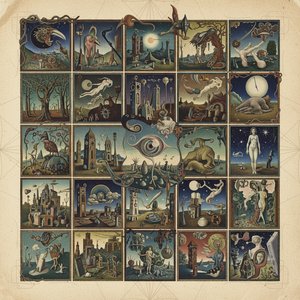
Oil On Canvas.

§ 1Catalogue data


Dieses Kunstwerk ist urheberrechtlich geschützt
Die auf dieser Seite dargestellten Kunstwerke sind urheberrechtlich geschützt, was bedeutet, dass wir keine identische Reproduktion rechtmäßig erstellen oder verkaufen dürfen. Dieser Schutz wird durch internationale Abkommen wie die Berner Übereinkunft und durch nationale Gesetze, einschließlich derer, die von den US-Urheberrecht – Titel 17.
Als respektvolle und rechtlich einwandfreie Alternative bieten wir individuelle, handgemalte Kunstwerke an, die vom Original inspiriert sind. Unsere geschickten und professionellen Künstler studieren sorgfältig den Stil, die Stimmung und das künstlerische Wesen des Originals, um ein neues, einzigartiges Werk zu schaffen, das dasselbe Gefühl hervorruft – während es zugleich eine eigenständige Originalschöpfung bleibt.
Diese Methode entspricht vollumfänglich den Urheberrechtsbestimmungen, da sie keine Kopie oder Vervielfältigung des geschützten Kunstwerks darstellt. Stattdessen handelt es sich um eine kreative Neuinterpretation – ein neues Gemälde, das vom Original inspiriert, aber nicht identisch mit ihm ist.
 Mehr erfahren
§ 2Abstract
Beschreibung des Sammlerstücks
A striking surrealist statue by Max Ernst depicts a demonic figure against a brick wall, showcasing his unique artistic vision and exploration of the subconscious. Discover this captivating artwork and bring its powerful imagery into your space.
Künstlerbiografie
Erkunden Sie die surreale Welt von Max Ernst (1891-1976), einem Pionier des Dadaismus und Surrealismus! Entdecken Sie seine innovativen Frottagen, Collagen und traumhaften Gemälde mit Vögeln, Landschaften und psychologischen Themen. #MaxErnst #Surrealismus #Dada
§ 3Commentary
Unveiling the Shadow: An Exploration of Max Ernst’s “Untitled (6492)”
Max Ernst's "Untitled (6492)" presents a compelling and unsettling vision, a testament to the artist’s profound engagement with the subconscious and his exploration of darker human impulses. The image depicts a powerfully rendered statue – a demonic figure crowned with horns – set against the stark backdrop of a brick wall. This isn’t merely a depiction of a monster; it's an embodiment of anxieties, a visual manifestation of the psychological turmoil that characterized Ernst’s artistic output during his most intensely surreal period.
- Subject Matter: The central figure immediately evokes archetypal imagery of evil and temptation. Its posture, though seemingly static, suggests a latent energy, a coiled threat ready to be unleashed.
- Composition: The statue’s placement within the frame is deliberate, dominating the visual field and drawing the viewer into its unsettling presence. The surrounding smaller figures contribute to a sense of unease, hinting at a larger, unseen narrative.
The Surrealist Roots: Ernst's Intellectual Journey
Understanding "Untitled (6492)" requires acknowledging Max Ernst’s unique artistic trajectory. Born in 1891, Ernst rejected the conventional paths to artistic recognition, instead forging his own path through rigorous intellectual pursuits. His studies in philosophy, art history, psychology, and psychiatry – at the University of Bonn – were not simply academic exercises; they were a crucial component of his creative process. He was deeply influenced by thinkers like Freud and Jung, exploring the realms of dreams, symbolism, and the irrational as sources of artistic inspiration. This intellectual grounding fueled his experimentation with techniques such as frottage (rubbing) and collage, methods designed to tap into the unconscious mind and bypass rational thought.
- Technique: Ernst’s use of texture and layering is evident in this piece, contributing to its unsettling quality. The rough surface of the brick wall contrasts sharply with the smooth rendering of the statue, creating a visual tension that mirrors the thematic concerns of the work.
- Historical Context: “Untitled (6492)” was created during the height of the Surrealist movement in the 1930s, a period marked by a rejection of traditional artistic values and an embrace of the irrational. Ernst’s work aligns perfectly with this movement's core tenets – exploring the subconscious, challenging conventional perceptions, and creating art that evokes emotional responses rather than simply representing reality.
Symbolism and Emotional Resonance
The symbolism within "Untitled (6492)" is layered and open to interpretation. The demonic figure can be seen as a representation of repressed desires, societal anxieties, or the darker aspects of human nature. The surrounding figures – potentially fragments of other narratives – add to this ambiguity, suggesting a world populated by hidden forces and unresolved conflicts. The overall effect is profoundly unsettling, prompting viewers to confront their own fears and preconceptions. Ernst’s masterful manipulation of form and texture generates an intense emotional response, inviting contemplation on the nature of evil, temptation, and the human condition.
A Masterpiece Reimagined: Reproduction Options
AllPaintingsStore offers a meticulously crafted hand-painted reproduction of Max Ernst's "Untitled (6492)," allowing you to bring this iconic artwork into your home or office. Our skilled artisans employ traditional techniques and archival quality materials to faithfully recreate the original’s texture, color palette, and emotional impact. Whether you are an art collector seeking to expand your collection, an interior designer aiming to create a dramatic focal point, or simply someone captivated by Ernst's vision, our reproduction provides an authentic and enduring representation of this powerful work.
Fragen & Antworten
Was stellt "untitled (6492)" von Max Ernst dar und welche Stimmung vermittelt es?
"untitled (6492)" von Max Ernst zeigt devil statue, max ernst, demon figure, brick wall, surreal art, dark imagery, figurative sculpture in einer Dramatic Stimmung. Motiv und Atmosphäre beschreiben gemeinsam das Werk.
Welchem Künstler wird "untitled (6492)" zugeschrieben?
"untitled (6492)" wurde von Max Ernst geschaffen. Die Informationen auf dieser Seite beschreiben das Originalwerk von Max Ernst.
Ist "untitled (6492)" insgesamt eher hell oder eher dunkel?
"untitled (6492)" weist eine Gesamthelligkeit von bright auf, und die Luminanz beträgt Gentle Luminance.


 Zum Druck wechseln


 Bei Kunstwerken oder Reproduktionen, die an einer Seite größer als 105 cm (ca. 41 Zoll) sind, wird der Rahmen zerlegt als Bausatz geliefert. Diese Methode gewährleistet eine sichere Zustellung und verhindert Schäden während des Transports.