


 Vorschau anzeigen
 Versenden
 Teilen
 Details anzeigen
 Leitfaden

 Herunterladen
 Ähnliche Objekte
 Röntgenaufnahme
 Diashow
 Q&A
Q&A Statistiken
David


 Weiterlesen
Giclée / Kunstdruck
Giclée- oder Leinwanddruck in Museumsqualität mit schneller Produktion und flexiblen Veredelungsoptionen. ( Handgemalte Reproduktion bestellen Zum digitalen Bild wechseln)




P118B €10

P118H €10

P118W €10

P438Z €10

P508JH €12

P508YH €12

P805H €10

P805Z €10

P919BZ €10

P919G €10

P919XJ €10

P959ZH €10

P968JZ €12

W106C €8

W218G €10

W218JH €8

W218Y €10

W307PJ €10

W316G €10

W316PJ €8

W316Y €10

W398PJ €8

W4111J €10

W500HY €15

W500JH €15

W692G €12

W849H €8

W940BG €15

W953PJ €8




Wählen Sie aus unseren vordefinierten Formaten, die den ursprünglichen Proportionen des Kunstwerks entsprechen.

Geben Sie die benötigte Breite und Höhe an, damit der Druck perfekt in Ihren Rahmen oder an Ihre Wand passt. Ein Druck kann nur beschnitten, aber niemals größer als das Originalbild angefertigt werden; daher verliert ein Format mit anderen Proportionen einen Teil des Bildes. Wir senden Ihnen ein digitales Mockup zur Freigabe, bevor wir den Druck ausführen. Das auf dieser Seite gezeigte Bild zeigt nicht den tatsächlichen Beschnitt – dies ist nur im Mockup ersichtlich.
Weltweiter Versand () innerhalb von 2 Wochen statt der üblichen 4/5 Wochen. (30 Oktober)

Kostenloser weltweiter Expressversand

Hochwertige Leinenleinwand

Umfassender Versicherungsschutz beim Versand

Zollgebühren-Rückerstattungsgarantie

Garantie für exakte Farbtreue

100 Tage Rückgaberecht (nur bei Mängeln)

100% Geld-zurück-Garantie

Mengenrabatt verfügbar
 Die Glasoption ist nur für Größen unter 110 cm verfügbar.

David
Giclée / Kunstdruck
Format der Reproduktion
-


Endpreis
€ 57
David: A Titan of Renaissance Sculpture
Michelangelo Buonarroti’s David stands as arguably the most iconic sculpture of the High Renaissance—a testament to artistic genius and humanist ideals that continues to inspire awe centuries later. Created between 1501 and 1504 in Florence, Italy, this monumental marble statue depicts King David triumphantly holding aloft Goliath's severed head after defeating the Philistine giant, a pivotal moment recounted in biblical scripture. More than just a depiction of heroism, David embodies the spirit of Florentine republicanism—a defiant assertion of liberty against tyrannical rule—making it a symbol deeply intertwined with the political and cultural landscape of its time.The Genesis of Genius: Michelangelo’s Vision
Michelangelo Buonarroti, already renowned for his frescoes in the Sistine Chapel, approached David with an unwavering commitment to anatomical accuracy and idealized beauty. Unlike many sculptures of his era that prioritized stylized representations, Michelangelo meticulously studied human anatomy—drawing inspiration from classical Greek sculpture—to achieve unparalleled realism. His understanding of musculature, posture, and facial expression elevated David beyond mere portraiture; he sought to capture the very essence of human strength and nobility. The statue’s pyramidal composition—a deliberate reference to classical architectural principles—further reinforces its stability and grandeur, mirroring the confidence and resolve of David himself.Technique and Material: Marble as Medium
Michelangelo's masterful manipulation of Carrara marble exemplifies the pinnacle of Renaissance sculptural technique. He employed a subtractive method, painstakingly chipping away at massive blocks of stone to reveal the statue’s form—a process that demanded immense skill and patience. The sculptor utilized chisels, hammers, rasps, and abrasives with unwavering precision, achieving astonishing detail in drapery folds and musculature. Furthermore, Michelangelo skillfully applied polishing techniques to create a luminous surface that captures the subtle nuances of light and shadow, enhancing the statue’s visual impact and conveying its emotional depth. The choice of marble—a material revered for its purity and permanence—underscores David's enduring legacy as an artistic masterpiece.Symbolism Beyond Victory: Representation of Virtue
David transcends a simple narrative depiction of triumph; it embodies profound symbolic meanings rooted in humanist philosophy. The statue’s posture—with David gazing intently towards Rome—represents unwavering determination and defiance against oppression, mirroring the Florentine Republic's resistance to papal authority during Michelangelo’s lifetime. Moreover, David’s nudity symbolizes purity and innocence—a deliberate allusion to classical ideals of beauty and virtue—reflecting Renaissance humanism’s fascination with the human form as a vehicle for spiritual contemplation. The severed head of Goliath serves as a potent reminder of overcoming obstacles through courage and intellect—affirming the humanist belief in human potential for moral excellence.David Today: An Enduring Icon
Michelangelo's David continues to captivate audiences worldwide, attracting millions of visitors annually to the Accademia Gallery in Florence where its original resides. Reproductions crafted by skilled artisans utilize advanced printing techniques to faithfully recreate the statue’s luminous surface and intricate details—allowing art lovers everywhere to experience Michelangelo’s genius firsthand. As a symbol of artistic achievement and humanist ideals, David remains an unforgettable testament to the transformative power of art—inspiring generations of artists and scholars alike.Fragen & Antworten
Wo kann ich die Abbildung von "David" von Michelangelo Buonarroti herunterladen?
Das Bild von "David" von Michelangelo Buonarroti kann auf der Download-Seite des Kunstwerks heruntergeladen werden: hochauflösender digitaler Bild-Download.
Welches Motiv und welche Atmosphäre vereint "David" von Michelangelo Buonarroti?
"David" zeigt michelangelo, david statue, renaissance sculpture, florence cathedral, roman republic, marble art, biblical hero, classical proportion, und die eingefangene Stimmung ist Dramatisch.
Wer ist der Urheber von "David" und welcher Stilrichtung ist das Werk zuzuordnen?
"David" ist das Werk von Michelangelo Buonarroti aus der Epoche des Renaissance.
Ähnliche Kunstwerke


Künstlerbiografie
Michelangelo Buonarroti: Ein Renaissance-Titan
Frühes Leben und Ausbildung (1475–1496)
- Michelangelo di Lodovico Buonarroti Simoni wurde am 6. März 1475 in Caprese Michelangelo, Toskana, geboren.
- Anfangs lehnte sein Vater eine künstlerische Karriere ab, räumte aber seinem Sohn aufgrund seines außergewöhnlichen Talents im Zeichnen nach.
- Mit dreizehn Jahren machte er eine Lehre bei Domenico Ghirlandaio und lernte Freskomalerei und Zeichentechniken.
- Bald zog er sich der Bildhauerei zu, studierte klassische Werke in den Medici-Gärten – ein prägendes Einfluss.
Frühe Periode: Etablierung der Meisterschaft (1490–1505)
- Um 1496 erhielt er seine erste größere Auftragsarbeit: die Skulptur der Pietà, die 1499 fertiggestellt wurde.
- Die Pietà, die im Petersdom ausgestellt ist, zeigte seine Meisterschaft in der Marmorbearbeitung und seine emotionale Tiefe.
- Seine nächste bedeutende Arbeit war der kolossale Statue von David (1501–1504), der florentinischen Republikanismus symbolisierte.
- Der David, über 17 Fuß hoch, demonstrierte sein anatomisches Verständnis und seine Fähigkeit, Stein zum Leben zu erwecken.
Die Hochrenaissance: Fresken der Sixtinischen Kapelle (1505–1520)
- Papst Julius II beauftragte Michelangelo 1508 mit dem Malen der Decke der Sixtinischen Kapelle.
- Über vier Jahre malte er über 300 Figuren, die Szenen aus der Genesis darstellen, darunter Die Schöpfung Adams.
- Diese monumentale Freskenzyklus ist ein Meilenstein in der westlichen Kunst und demonstriert seine kompositorische Begabung und seine Erzählkraft.
- Er begann auch mit der Arbeit an Papst Julius II.s Grab – einem Projekt, das Jahrzehnte dauern sollte, aber ursprünglich nicht wie geplant fertiggestellt wurde.
Spätere Jahre: Architektur und das „Jüngste Gericht“ (1520–1564)
- Im Jahr 1520 wurde Michelangelo Architekt des Petersdoms in Rom und veränderte Bramantes Design erheblich.
- Zwischen 1536 und 1541 malte er Das Jüngste Gericht an der Wandaltar der Sixtinischen Kapelle.
- Diese riesige Fresko zeigte die Wiederkunft Christi mit dramatischer Komposition und emotionaler Intensität, die eine Verschiebung hin zum Manierismus widerspiegelte.
Einflüsse und künstlerische Entwicklung
- Klassische Antike: Die Beschäftigung mit griechischen und römischen Skulpturen hatte tiefgreifenden Einfluss auf sein Verständnis von Anatomie und Proportionen.
- Renaissance-Humanismus: Der Schwerpunkt auf menschliches Potenzial ist in seiner Feier der menschlichen Form deutlich erkennbar.
- Florentinische Tradition: Er baute auf dem Werk von Künstlern wie Donatello und Masaccio auf.
- Sein Stil entwickelte sich von klassischer Idealität zu einer dynamischeren und ausdrucksstärkeren Manierismus.
Historische Bedeutung und Vermächtnis
- Michelangelo gilt als einer der größten Künstler aller Zeiten, der den „Renaissance-Mann“ verkörpert.
- Seine Skulpturen, Gemälde und Architektur haben Generationen inspiriert und werden die Zuschauer weltweit weiterhin fesseln.
- Er beeinflusste maßgeblich sowohl die Hochrenaissance- als auch die Manierismus-Bewegungen.
- Seine anatomische Genauigkeit, dramatischen Kompositionen und emotionale Tiefe setzten neue Maßstäbe für künstlerische Exzellenz.
Letzte Jahre
- Michelangelo starb am 18. Februar 1564 in Rom und hinterließ ein unvergleichliches Werk.
- Sein Vermächtnis prägt weiterhin unser Verständnis von Schönheit, Macht und menschlichem Potenzial.
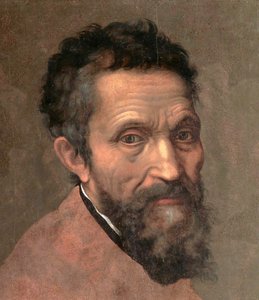
Michelangelo Buonarroti
1475 - 1564 , Italien
Kurzinfos
- Beeinflusste Künstler:
- Donatello
- Masaccio
- Bemerkenswerte Werke:
- Pietà
- David
- Sixtinische Kapelle
- Das Jüngste Gericht
- Geburtsdatum: 06. März 1475
- Geburtsort: Caprese Michelangelo, Italien
- Künstlerische Bewegung:
- Hochrenaissance
- Manierismus
- Nationalität: Italienisch
- Todatum: 18. Februar 1564
- Vollständiger Name: Michelangelo Buonarroti
- Von Künstlern Beeinflusst: ['Klassische Antike']
Ähnliche Artikel

Michelangelo Buonarroti: Leben, Werk und bleibendes Erbe eines Renaissance-Titanen
Entdecken Sie das Leben und Werk von Michelangelo Buonarroti – dem Titanen der Renaissance. Erfahren Sie mehr über seine Skulpturen, Gemälde und seinen bleibenden Einfluss auf die Kunstgeschichte. Expertenanalyse & tiefe Einblicke.

Michelangelos Meisterwerke: Die 25 größten Kunstwerke der Renaissance-Legende
Erleben Sie die 25 größten Meisterwerke Michelangelos aus der Renaissance. Entdecken Sie alle Legenden auf AllPaintingsStore.com.

Bronze-Meisterwerke: Die 10 Skulpturen, die Kunstgeschichte schrieben | AllPaintingsStore
Entdecken Sie die 10 legendärsten Bronze Skulpturen der Kunstgeschichte! Von Michelangelo bis Rodin – erfahren Sie die Geschichten hinter den Meisterwerken und lassen Sie sich von Wanddeko-Ideen inspirieren. Hochwertige Kunstdrucke auf AllPaintingsStore.com.

The Enduring Form: Exploring Themes & Techniques in Sculpture Across Historical Periods
Explore the rich history of sculpture from ancient masterpieces to contemporary innovations. Discover key techniques, influential artists & investment potential for discerning art collectors.

Die 10 legendärsten Bronzestatuen: Meisterwerke, die Kunstgeschichte schrieben | AllPaintingsStore
Entdecken Sie die 10 legendärsten Bronzestatuen der Kunstgeschichte! Von Rodin bis Michelangelo – erfahren Sie die Geschichten hinter ikonischen Skulpturen und finden Sie hochwertige Reproduktionen für Ihr Zuhause. Jetzt bei AllPaintingsStore entdecken!


