


 In echtem Maßstab anzeigen
 Versenden als Grußkarte
 Teilen
 Details anzeigen
 Leitfaden öffnen

 Herunterladen
 Ähnliche Objekte
 Röntgenaufnahme
 Diashow
 Besucherstatistiken
Warehousing


 Mehr anzeigen
Handgefertigte Ölreproduktion
Handgemaltes Ölgemälde auf Leinwand in Ihrer Wunschgröße und mit Rahmen, auf Bestellung von unseren Künstlern angefertigt. ( Zum Druck wechseln Zum digitalen Bild wechseln)




P118B €10

P118H €10

P118W €10

P438Z €10

P508JH €12

P508YH €12

P805H €10

P805Z €10

P919BZ €10

P919G €10

P919XJ €10

P959ZH €10

P968JZ €12

W106C €8

W218G €10

W218JH €8

W218Y €10

W307PJ €10

W316G €10

W316PJ €8

W316Y €10

W398PJ €8

W4111J €10

W500HY €15

W500JH €15

W692G €12

W849H €8

W940BG €15

W953PJ €8




Wählen Sie aus unseren vordefinierten Formaten, die den ursprünglichen Proportionen des Kunstwerks entsprechen.

Geben Sie die Breite und die Höhe an, die Sie für Ihren Rahmen oder Ihre Wand benötigen. Da dieses Werk handgemalt ist, kann der Künstler bei einer anderen Form etwas mehr um das Bild herum malen oder etwas abschneiden – Sie entscheiden. Wir senden Ihnen ein digitales Mockup zur Freigabe, bevor mit dem Malen begonnen wird. Das auf dieser Seite gezeigte Bild stellt nicht das tatsächliche Ergebnis dar – dies tut nur das Mockup.
Nach der Bestellung wird das AllPaintingsStore.com-Team dem Kunden Anweisungen per E-Mail zusenden und eine Mockup-Vorschau bereitstellen.
Weltweiter Versand () in nur 3 bis 4 Wochen statt der üblichen 5 Wochen. (25 Oktober). Keine Kompromisse bei der Qualität.

Kostenloser weltweiter Expressversand

Hochwertige Leinenleinwand

Vollständiger Versicherungsschutz beim Versand

Zollgebühren-Rückerstattungsgarantie

Garantie für exakte Farbtreue

100-tägiges Rückgaberecht (nur bei Mängeln)

100% Geld-zurück-Garantie

Angebot für Mengenrabatt
 Die Glasoption ist nur für Größen unter 110 cm verfügbar.

Warehousing
Reproduktionsmedium
Format der Reproduktion
-


Gesamtpreis
€ 226
A Glimpse into Victorian Commerce: Paul Gustave Doré’s “Warehousing”
Paul Gustave Doré's "Warehousing," created around 1872, isn’t merely an illustration; it’s a meticulously rendered tableau of bustling urban life—a snapshot of London’s burgeoning commercial heart. The artwork transports us to a dimly lit warehouse interior, dominated by the rhythmic activity of men and boys laboring amidst towering stacks of barrels and sacks. It's a scene brimming with both industry and a palpable sense of human effort, offering a fascinating window into the Victorian era’s complex relationship with trade and its impact on everyday life. The piece immediately draws the eye with its dramatic chiaroscuro – the masterful use of light and shadow—a signature technique employed by Doré to create depth, drama, and an almost theatrical quality within his compositions.The Artist's Hand: Technique and Style
Doré’s artistic prowess is evident in every detail. He was a master of wood engraving, a process that demanded incredible precision and patience. The intricate lines, the subtle gradations of tone achieved through meticulous layering of ink, and the remarkably realistic depiction of textures—from the rough-hewn timber of the warehouse to the worn clothing of the workers—speak volumes about his technical skill. The style leans heavily into Romanticism, characterized by its emphasis on dramatic lighting, dynamic compositions, and a focus on human emotion. However, Doré’s work transcends simple romanticism; he imbues his scenes with a gritty realism that reflects the realities of Victorian society. Notice how he doesn't shy away from depicting the physical strain on the workers – their postures, expressions, and the sheer weight of the goods they are handling all contribute to a powerful sense of authenticity. The composition itself is carefully constructed, guiding the viewer’s eye through the scene with a deliberate flow, emphasizing the movement and activity within the warehouse.A City in Motion: Historical Context
“Warehousing” provides invaluable insight into London during the mid-19th century – an era defined by rapid industrialization and unprecedented economic growth. The city was transforming from a primarily mercantile center to a major manufacturing hub, fueled by advancements in technology and trade. Warehouses like this one were crucial nodes within this expanding network, facilitating the storage and distribution of goods arriving via docks and canals. The illustration captures not just the physical act of warehousing but also the social dynamics at play – the interplay between men and boys, the hierarchy of labor, and the constant flow of merchandise contributing to the city’s vitality. The inclusion of ships in the background subtly reinforces this connection to maritime trade, highlighting London's position as a global port.Symbolism and Emotional Resonance
Beyond its documentary value, “Warehousing” is rich in symbolic meaning. The scene embodies the relentless drive of progress – the tireless work ethic that underpinned Victorian society’s success. The shadows cast by the towering stacks of goods can be interpreted as representing the burdens and challenges faced by those engaged in manual labor. Yet, there's also a sense of camaraderie among the workers, suggesting a shared experience and a collective effort to contribute to the city’s prosperity. The overall mood is one of industriousness tempered with a hint of weariness—a poignant reflection on the human cost of economic advancement. The French title, “Un Entrepôt dans la Cité” (A Warehouse in the City), subtly elevates this scene from a simple depiction of commerce to an exploration of urban life itself.Bringing "Warehousing" Home: Reproductions and Artistic Legacy
Today, reproductions of Doré’s “Warehousing” remain highly sought after by collectors and interior designers alike. Its dramatic composition and evocative imagery lend themselves beautifully to a variety of settings, adding a touch of historical gravitas and artistic sophistication to any space. When selecting a reproduction, consider the quality of the print – a faithful rendering of Doré’s original wood engraving is essential to capturing its full impact. This artwork stands as a testament to Doré's enduring legacy—a powerful reminder of Victorian London’s dynamic energy and the human stories that shaped its remarkable transformation.Fragen & Antworten
Welche Art von Farben verwendet "Warehousing"?
"Warehousing" von Paul Gustave Doré verwendet eine Neutrals-Farbpalette. Die Palette fasst den gesamten farblichen Charakter des Werkes zusammen.
Ist "Warehousing" von Paul Gustave Doré ein helles oder ein dunkles Kunstwerk?
Die aufgezeichneten Werte für "Warehousing" von Paul Gustave Doré sind: brilliant Helligkeit, Bright Balance Luminanz.
Aus welcher Schaffensperiode von Paul Gustave Doré stammt "Warehousing"?
"Warehousing" repräsentiert die Mature Period von Paul Gustave Doré.
Ähnliche Kunstwerke


Biografie des Künstlers
Paul Gustave Doré: Ein Leben in der Illustration
Frühe Jahre und Anfänge
- Geboren: 6. Januar 1832, in Straßburg, Frankreich.
- Schon als Kind zeigte Doré ein bemerkenswertes künstlerisches Talent und eine frühreife Persönlichkeit. Es gibt Geschichten von seinen frühen Streichen, die eine ungewöhnliche Reife für sein Alter demonstrieren.
- Frühe künstlerische Neigung: Er begann mit dem Zeichnen in sehr jungen Jahren und zeigte schnell außergewöhnliches Können.
- Mit 15 Jahren begann Doré seine berufliche Karriere als Karikaturist für die französische Zeitschrift Le Journal pour rire.
Künstlerische Entwicklung und frühe Werke
- Frühe Aufträge: Zu seinen frühen Arbeiten gehörten illustrierte Bücher wie Les Travaux d'Hercule (1847), Trois artistes incompris et mécontents (1851) und Les Dés-agréments d'un voyage d'agrément (1851).
- Einflüsse: Die Illustrationen von J.J. Grandville waren ein bedeutender Einfluss auf seinen frühen Stil.
- Doré erlangte schnell Anerkennung für seine dynamischen Kompositionen und seine dramatische Verwendung von Licht und Schatten, selbst in seinen frühen Werken.
- Er erhielt Aufträge zur Illustration klassischer Literatur, darunter Werke von Cervantes, Rabelais, Balzac, Milton und Dante.
Internationale Anerkennung und bedeutende Leistungen
- Illustrationen literarischer Giganten: Im Jahr 1853 wurde er beauftragt, die Werke von Lord Byron zu illustrieren, gefolgt von einem monumentalen illustrierten Bibelprojekt.
- Der Wandersmann (1856): Dieses Werk enthielt antisemitische Untertöne, die dem damaligen Zeitalter entsprachen.
- Don Quixote: Seine Illustrationen von Cervantes’ Don Quixote in den 1860er Jahren beeinflussten die nachfolgenden Interpretationen der Charaktere und der Geschichte maßgeblich.
- Der Rabe (1883): Dorés überdimensionierte Ausgabe von Edgars Allan Poes “Der Rabe” brachte ihm 30.000 Francs von Harper & Brothers ein.
- London: Eine Pilgerreise (1872): Diese Zusammenarbeit mit Blanchard Jerrold zeigte die harten Realitäten des viktorianischen Londons und löste Kontroversen wegen seines Fokus auf Armut aus.
Stil und Techniken
- Meisterschaft im Holzschnitt: Doré war ein Meister des Holzschnitts, der unglaublich detaillierte und dramatische Bilder schuf.
- Dramatische Komposition: Sein Werk ist durch dynamische Kompositionen, starke Kontraste zwischen Licht und Schatten (Chiaroscuro) und ein Gefühl von Größe geprägt.
- Er setzte oft ein großes Team von Blockcutter ein, um seine Entwürfe in Holzschnitte zu übersetzen, was die Massenproduktion ermöglichte.
- Romantik: Sein Stil ist fest in der Romantik verwurzelt und betont Emotionen, Vorstellungskraft und das Erhabene.
Vermächtnis und historische Bedeutung
- Auszeichnungen & Ehrungen: Doré wurde 1861 durch die französische Regierung zum Ritter des Ordens der Légion d'honneur ernannt.
- Seine Illustrationen hatten einen weitreichenden Einfluss auf die visuelle Kultur und beeinflussten Künstler und Leser über Generationen hinweg.
- Einfluss auf spätere Künstler: Er inspirierte Künstler wie Vincent van Gogh, der seine Darstellungen von Leid und Not bewunderte.
- Trotz einiger zeitgenössischer Kritik wird Dorés Werk heute für sein künstlerisches Verdienst und seine historische Bedeutung gefeiert. Seine Illustrationen prägen weiterhin unser Verständnis der klassischen Literatur und der viktorianischen Gesellschaft.
- Tod: Paul Gustave Doré starb am 23. Januar 1883, hinterließ ein großes und dauerhaftes Vermächtnis.

Paul Gustave Doré
1832 - 1883 , Frankreich
Eckdaten zum Künstler
- Beeinflusste Künstler: ['J. J. Grandville']
- Bemerkenswerte Werke:
- Les Travaux d'Hercule
- Don Quixote-Illustrationen
- Dantes Inferno-Illustrationen
- The Raven-Illustrationen
- London: A Pilgrimage
- Geburtsdatum: 6. Januar 1832
- Geburtsort: Straßburg, Frankreich
- Künstlerischer Stil: Romantik
- Nationalität: Französisch
- Sterbedatum: 23. Januar 1883
- Vollständiger Name: Paul Gustave Doré
- Von Künstlern Beeinflusst:
- H. P. Lovecraft
- Théophile Gautier
- Vincent van Gogh
Verwandte Artikel

Angelo Chiacchio: A Mid-Century American Illustration Master & the Rise of Commercial Art
Explore the captivating world of Angelo Chiacchio, a master of mid-century American illustration. Discover his evolution, signature style, and lasting impact on commercial art & design. Learn about his legacy at the Museum of American Illustration.

Gustave Doré: Meister des Romantischen Realismus und der illustrierten Imagination
Entdecken Sie das faszinierende Werk von Gustave Doré – Meister des Romantischen Realismus und brillanter Illustrator! Erfahren Sie mehr über sein Leben, seine ikonischen Illustrationen & seinen unterschätzten Beitrag zur Kunstgeschichte.
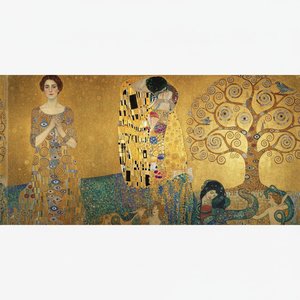
Gustav Klimt: Die 25 Meisterwerke des Wiener Jugendstils | AllPaintingsStore
Entdecken Sie die 25 ikonischsten Gemälde von Gustav Klimt! Tauchen Sie ein in die Welt der Wiener Secession, des Jugendstils und der goldenen Phase. Hochwertige Reproduktionen & Inspiration für Ihr Zuhause auf AllPaintingsStore.com.

Industrielle Ästhetik: 10 Meisterwerke für Ihr Zuhause | AllPaintingsStore
Entdecken Sie 10 Meisterwerke der Industriekunst! Von Expressionismus bis Kubismus – erleben Sie die Ästhetik von Fabriken, Arbeitern & urbanen Landschaften. Hochwertige Reproduktionen auf AllPaintingsStore.com.

Kay Rasmus Nielsen: A Golden Age Illustrator's Enchanting Legacy of Symbolism & Narrative
Explore the captivating world of Kay Rasmus Nielsen, a celebrated Golden Age illustrator renowned for his Art Nouveau fairy tale art & Disney contributions. Discover his unique style, enduring legacy, and how to collect his enchanting works.


