


 Vorschau anzeigen
 Versenden
 Teilen
 Details anzeigen
 Leitfaden

 Herunterladen
 Ähnliche Objekte
 Röntgenaufnahme
 Diashow
 Statistiken
A gate
 Acrylic
- WallArt
- Abstract Expressionism
 1938
1938 44.0 x 60.0 cm
 Weiterlesen
Giclée / Kunstdruck
Giclée- oder Leinwanddruck in Museumsqualität mit schneller Produktion und flexiblen Veredelungsoptionen. ( Handgemalte Reproduktion bestellen Zum digitalen Bild wechseln)




P118B €10

P118H €10

P118W €10

P438Z €10

P508JH €12

P508YH €12

P805H €10

P805Z €10

P919BZ €10

P919G €10

P919XJ €10

P959ZH €10

P968JZ €12

W106C €8

W218G €10

W218JH €8

W218Y €10

W307PJ €10

W316G €10

W316PJ €8

W316Y €10

W398PJ €8

W4111J €10

W500HY €15

W500JH €15

W692G €12

W849H €8

W940BG €15

W953PJ €8




Wählen Sie aus unseren vordefinierten Formaten, die den ursprünglichen Proportionen des Kunstwerks entsprechen.

Geben Sie die benötigte Breite und Höhe an, damit der Druck perfekt in Ihren Rahmen oder an Ihre Wand passt. Ein Druck kann nur beschnitten, aber niemals größer als das Originalbild angefertigt werden; daher verliert ein Format mit anderen Proportionen einen Teil des Bildes. Wir senden Ihnen ein digitales Mockup zur Freigabe, bevor wir den Druck ausführen. Das auf dieser Seite gezeigte Bild zeigt nicht den tatsächlichen Beschnitt – dies ist nur im Mockup ersichtlich.
Weltweiter Versand () innerhalb von 2 Wochen statt der üblichen 4/5 Wochen. (25 Oktober)

Kostenloser weltweiter Expressversand

Hochwertige Leinenleinwand

Umfassender Versicherungsschutz beim Versand

Zollgebühren-Rückerstattungsgarantie

Garantie für exakte Farbtreue

100 Tage Rückgaberecht (nur bei Mängeln)

100% Geld-zurück-Garantie

Mengenrabatt verfügbar
 Die Glasoption ist nur für Größen unter 110 cm verfügbar.

A gate
Giclée / Kunstdruck
Format der Reproduktion
-


Endpreis
€ 56
A Gate – Paul Klee’s Exploration of Lunar Resonance
Paul Klee's "A Gate," painted in 1938, transcends mere depiction; it embodies a masterful synthesis of artistic influences and profound contemplation on themes of solitude, harmony, and the cyclical nature of existence. This striking artwork captures a simple yet powerfully evocative scene – a stone gate framed against a luminous moonlit sky—yet within its unassuming exterior lies a complex tapestry of artistic innovation and symbolic resonance.- Subject Matter: The painting presents a straightforward visual narrative: two figures standing beside a gate, accompanied by a chair positioned subtly in the foreground. However, this apparent simplicity serves as a springboard for deeper interpretation.
- Style & Technique: Klee’s signature style—characterized by spontaneous gesture and geometric abstraction—is evident throughout “A Gate.” He employs a technique rooted in watercolor and gouache on paper, layering washes of color to create an ethereal atmosphere. The artist's meticulous attention to detail is balanced by a deliberate disregard for realistic representation, prioritizing instead the conveyance of emotion and intuition.
Historical Context – Weimar Republic’s Artistic Spirit
“A Gate” was created during the Weimar Republic, Germany’s turbulent period following World War I. This era witnessed a flourishing of artistic experimentation, fueled by disillusionment with traditional values and an embrace of avant-garde movements like Surrealism and Expressionism. Klee's work reflects this spirit of intellectual ferment, aligning him with fellow artists who sought to express inner psychological states rather than simply mirroring the external world. The influence of Surrealist ideas—particularly automatism—can be discerned in Klee’s method of working, where he aimed to bypass conscious thought and tap into subconscious impulses.Symbolism – Lunar Cycles and Spiritual Journey
The moon dominating the composition is arguably the artwork's most significant symbolic element. Throughout history, lunar cycles have been associated with notions of transformation, fertility, and introspection—themes central to Klee’s artistic vision. The reflection of moonlight on the ground beneath the gate suggests a connection between earthly existence and celestial realms, hinting at an ongoing process of renewal and spiritual exploration. Furthermore, the two figures standing beside the gate could represent individuals embarking on a personal pilgrimage or confronting challenges with resilience.Emotional Impact – Tranquility Amidst Uncertainty
Despite the anxieties prevalent during its creation, “A Gate” exudes an aura of serene contemplation. The muted palette—primarily blues and yellows—contributes to this feeling of tranquility, while Klee’s delicate brushstrokes convey a sense of vulnerability and sensitivity. Ultimately, the painting invites viewers to pause and consider the beauty inherent in simplicity, reminding us that profound meaning can be found within seemingly ordinary moments. It's a piece designed not just to observe but to feel—a testament to Klee’s ability to distill complex emotions into visually arresting forms.Fragen & Antworten
Wie stark ist der Kontrast in "A gate" von Paul Klee?
Der Hell-Dunkel-Kontrast von „A gate“ wird mit Gentle angegeben. Der Kontrast beschreibt, wie stark sich helle und dunkle Bereiche voneinander unterscheiden.
Was stellt "A gate" von Paul Klee dar?
"A gate" von Paul Klee zeigt: gate, moonlight, landscape, figures, chair, swiss art, geometric.
Welche Druckgröße wird für "A gate" von Paul Klee empfohlen?
Für "A gate" wird ein Druckformat von Large empfohlen. Weitere Größen sind im gleichen Seitenverhältnis verfügbar.
Ähnliche Kunstwerke


Künstlerbiografie
Paul Klee: Ein Leben in Farbe und Form
Frühes Leben und Ausbildung
- Paul Klee wurde am 18. Dezember 1879 in Münchenbuchsee, Schweiz, geboren.
- Sein Vater war Musiklehrer deutscher Herkunft, seine Mutter eine Schweizer Sängerin, was ihm schon früh eine Wertschätzung für die Künste vermittelte.
- Klee begann zunächst mit dem Zeichnen, gab diese jedoch schließlich auf zugunsten expressiverer Formen auf.
- Er studierte von 1898 bis 1901 an der Akademie der Bildenden Künste in München.
Künstlerische Entwicklung und Einflüsse
- In seinen frühen Werken waren Einflüsse des Jugendstils und Symbolismus zu sehen, aber er begann schnell, seinen einzigartigen Stil zu entwickeln.
- Eine entscheidende Reise nach Tunesien im Jahr 1914 hatte einen tiefgreifenden Einfluss auf seine Verwendung von Farbe und Abstraktion – das Licht und die Atmosphäre inspirierten eine Verschiebung hin zu kräftigeren Farbschemata.
- Er war stark von Bewegungen wie Expressionismus, Kubismus und Surrealismus beeinflusst, obwohl er sich nie vollständig mit einer einzelnen davon identifizierte.
- Sein Interesse an Musik informierte seinen künstlerischen Ansatz stark, indem er oft Malerei als Komponieren musikalischer Stücke verglich.
Die Bauhaus-Jahre und darüber hinaus
- Von 1931 bis 1933 lehrte Klee an der einflussreichen Bauhaus-Schule für Kunst, Design und Architektur neben Wassily Kandinsky.
- Diese Zeit war geprägt von einer Blüte seiner abstrakten Werke, in denen er sich mit Farbtheorie und formalen Beziehungen auseinandersetzte.
- Mit dem Aufstieg des Nationalsozialismus in Deutschland wurde Klee 1933 aufgrund seiner „degenerierten“ Kunst aus der Bauhaus entlassen.
- Er kehrte nach die Schweiz zurück und setzte seine Arbeit als Maler fort, sein Gesundheitszustand verschlechterte sich jedoch während dieser Zeit.
Wichtige Themen und künstlerischer Stil
- Klees Werk ist durch eine spielerische, aber tiefgründige Erforschung von Farbe, Linie und Form gekennzeichnet.
- Er verwendete oft kindliche Bilder und verspielte Kompositionen, die mit symbolischen Bedeutungen aufgeladen waren.
- Wiederkehrende Themen sind Gärten, Landschaften, Porträts und abstrakte Anordnungen.
- Seine „Paul Klee Notizen“, veröffentlicht posthum, enthüllen seine umfangreichen theoretischen Untersuchungen zu Farbe und Design.
Vermächtnis und historische Bedeutung
- Paul Klee starb am 29. Juni 1940 in Muralto, Schweiz.
- Er gilt als einer der wichtigsten Künstler des 20. Jahrhunderts, der die Lücke zwischen figurativer und abstrakter Kunst schloss.
- Seine innovative Verwendung von Farbe und seine theoretischen Schriften inspirieren bis heute Künstler und Designer.
- Klees Werk wird weltweit von Sammlern und Museen begehrt, wodurch er einen festen Platz in der modernen Kunstgeschichte einnimmt.
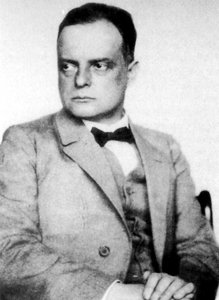
Paul Klee
1879 - 1940 , Schweiz
Kurzinfos
- Bemerkenswerte Werke:
- Hamamet (1914)
- Rotgrün und Violett-Gelbe Rhythmen
- Wolken über Bor (1940)
- Geschwister (1930)
- Geburtsdatum: 18. Dezember 1879
- Geburtsort: Münchenbuchsee, Schweiz
- Künstlerische Richtung: Expressionismus, Kubismus, Surrealismus
- Nationalität: Schweizer-Deutscher Künstler
- Todatum: 29. Juni 1940
- Vollständiger Name: Paul Klee
Ähnliche Artikel

Neo-Abstract Art Trend Forecast: High-Impact Geometric Compositions for Contemporary Commercial Interiors
Elevate commercial interiors with Neo-Abstract art. Discover how high-impact geometric compositions and custom oil reproductions provide scalable, sophisticated design solutions for hotels, restaurants, and corporate spaces. Expert procurement for large-scale hospitality projects.


