


 In echtem Maßstab anzeigen
 Versenden als Grußkarte
 Teilen
 Details anzeigen
 Leitfaden öffnen

 Herunterladen
 Ähnliche Objekte
 Röntgenaufnahme
 Diashow
 Besucherstatistiken
Gefangener


 Mehr anzeigen
Giclée / Kunstdruck
Giclée- oder Leinwanddruck in Museumsqualität mit schneller Produktion und flexiblen Veredelungsoptionen. ( Handgemalte Reproduktion kaufen Zum digitalen Bild wechseln)




P118B €10

P118H €10

P118W €10

P438Z €10

P508JH €12

P508YH €12

P805H €10

P805Z €10

P919BZ €10

P919G €10

P919XJ €10

P959ZH €10

P968JZ €12

W106C €8

W218G €10

W218JH €8

W218Y €10

W307PJ €10

W316G €10

W316PJ €8

W316Y €10

W398PJ €8

W4111J €10

W500HY €15

W500JH €15

W692G €12

W849H €8

W940BG €15

W953PJ €8




Wählen Sie aus unseren vordefinierten Formaten, die den ursprünglichen Proportionen des Kunstwerks entsprechen.

Geben Sie die Breite und die Höhe an, die Sie benötigen, damit der Druck perfekt in Ihren Rahmen oder an Ihre Wand passt. Ein Druck kann nur beschnitten werden und niemals größer als das Originalbild gemacht werden; daher verliert ein Format mit einer anderen Proportion einen Teil des Bildes. Wir senden Ihnen ein digitales Mockup zur Freigabe, bevor wir den Druck ausführen. Das auf dieser Seite gezeigte Bild zeigt nicht den tatsächlichen Beschnitt – dies ist nur im Mockup ersichtlich.
Weltweiter Versand () innerhalb von 2 Wochen statt der üblichen 4/5 Wochen. (24 Oktober)

Kostenloser weltweiter Expressversand

Hochwertige Leinenleinwand

Vollständiger Versicherungsschutz beim Versand

Zollgebühren-Rückerstattungsgarantie

Garantie für exakte Farbtreue

100-tägiges Rückgaberecht (nur bei Mängeln)

100% Geld-zurück-Garantie

Angebot für Mengenrabatt
 Die Glasoption ist nur für Größen unter 110 cm verfügbar.

Gefangener
Giclée / Kunstdruck
Format der Reproduktion
-


Gesamtpreis
€ 56
Paul Klee’s “Captive”: A Testament to Resilience in Blue and Black
In the twilight years of his life, grappling with the debilitating effects of scleroderma, Paul Klee produced works that transcend mere representation – they become profound expressions of human experience. "Captive," painted in 1940, just months before his passing, stands as a particularly poignant example of this artistic depth. More than simply a depiction of suffering, it’s a testament to the enduring spirit, a visual embodiment of struggle and unwavering determination. Klee, already a master of blending diverse influences – from Expressionism's emotional intensity to Cubism’s fragmented forms and Surrealism’s dreamlike logic – here utilizes these techniques to create an image that resonates with both vulnerability and strength.
The painting immediately draws the eye to its central figure: a frowning face, encircled by stark bars. These represent not just physical confinement, but also the emotional restrictions imposed by illness. The use of predominantly blue and black hues establishes a somber atmosphere, reflecting Klee’s own internal state during this challenging period. However, it's crucial to note that these colors aren’t simply depressing; they possess a quiet dignity, a restrained intensity that speaks volumes about the artist’s resolve. The careful layering of paint creates texture and depth, adding another layer of complexity to the image.
An Expressionist Portrait of Inner Turmoil
“Captive” is firmly rooted in Klee's signature Expressionistic style. Unlike traditional portraiture focused on objective likeness, this piece prioritizes conveying emotion and inner experience. The distorted features, the downward-turned mouth, and the single teardrop – all contribute to a palpable sense of sadness and vulnerability. Yet, despite this evident suffering, there’s an undeniable element of defiance in the face. Klee doesn't shy away from portraying the difficulties; instead, he embraces them as integral to the artwork’s meaning. The subtle upward tilt of the head suggests a refusal to succumb entirely.
Beyond the immediate depiction of sorrow, “Captive” is rich with symbolic elements. The bars themselves can be interpreted as representing societal constraints, personal limitations, or even the very illness that afflicted Klee. The inclusion of seemingly random details – a clock, an apple – adds to the painting’s enigmatic quality, inviting viewers to contemplate its layers of meaning. These objects aren't merely decorative; they serve as reminders of time passing, of earthly pleasures, and perhaps even of mortality itself.
A Legacy of Emotional Honesty
Paul Klee’s work, including “Captive,” profoundly influenced generations of artists. His willingness to explore complex emotions – particularly those associated with illness and vulnerability – paved the way for a more honest and introspective approach to artmaking. The painting's raw emotionality anticipates elements found in later Expressionist works and resonates with contemporary figurative painters who seek to capture the human condition with unflinching honesty. Klee’s ability to distill profound experiences into simple, yet powerful imagery is what makes his work so enduring.
The Zentrum Paul Klee in Bern, Switzerland, houses a remarkable collection of his works and offers visitors a unique opportunity to immerse themselves in the artist's world. The museum itself, designed by Renzo Piano, beautifully complements Klee’s artistic vision, creating an environment that encourages contemplation and reflection. Reproductions of “Captive,” available through platforms like AllPaintingsStore.com, allow art lovers worldwide to experience this powerful work firsthand, appreciating its beauty, complexity, and enduring message of resilience.
Further Exploration
- Paul Klee – A Swiss-born German artist whose innovative style blended Expressionism, Cubism, and Surrealism.
- Paul Klee: Captive (Expressionism) – A key work from his final years, reflecting his struggles with scleroderma.
- Death and Fire - Another significant painting from 1940, exploring themes of mortality and the human spirit.
For more information about Paul Klee and his artistic legacy, consider visiting The Museum City Gallery in Lenbachhous, Munich, Germany, or exploring resources like Wikipedia: Paul Klee on Wikipedia.
Fragen & Antworten
Gibt es einen Leitfaden für "Gefangener" von Paul Klee?
Die Leitfaden-Seite von "Gefangener" von Paul Klee bietet ein druckbares, zweiseitiges Infoblatt: das Kunstwerk mit seiner Identifikationstabelle, eine Zeitstrahl-Einordnung in die Lebensspanne des Künstlers, weitere Werke des Künstlers, die gemessene Farbpalette sowie kopierfertige Zitate in vier verschiedenen Stilen.
Was erklärt die urheberrechtliche Situation von "Gefangener" von Paul Klee?
Der Urheberrechtsstatus von "Gefangener" – gemeinfrei – das Urheberrecht ist abgelaufen – ergibt sich aus dem Todesjahr des Künstlers im Jahr 1940.
Ist "Gefangener" von Paul Klee ein Gemälde, eine Zeichnung oder ein Druck?
Im Katalog ist "Gefangener" von Paul Klee als Wandkunst geführt. Die Kategorie hilft dabei, ähnliche Werke zu finden.
Ähnliche Kunstwerke


Biografie des Künstlers
Paul Klee: Ein Leben in Farbe und Form
Frühes Leben und Ausbildung
- Paul Klee wurde am 18. Dezember 1879 in Münchenbuchsee, Schweiz, geboren.
- Sein Vater war Musiklehrer deutscher Herkunft, seine Mutter eine Schweizer Sängerin, was ihm schon früh eine Wertschätzung für die Künste vermittelte.
- Klee begann zunächst mit dem Zeichnen, gab diese jedoch schließlich auf zugunsten expressiverer Formen auf.
- Er studierte von 1898 bis 1901 an der Akademie der Bildenden Künste in München.
Künstlerische Entwicklung und Einflüsse
- In seinen frühen Werken waren Einflüsse des Jugendstils und Symbolismus zu sehen, aber er begann schnell, seinen einzigartigen Stil zu entwickeln.
- Eine entscheidende Reise nach Tunesien im Jahr 1914 hatte einen tiefgreifenden Einfluss auf seine Verwendung von Farbe und Abstraktion – das Licht und die Atmosphäre inspirierten eine Verschiebung hin zu kräftigeren Farbschemata.
- Er war stark von Bewegungen wie Expressionismus, Kubismus und Surrealismus beeinflusst, obwohl er sich nie vollständig mit einer einzelnen davon identifizierte.
- Sein Interesse an Musik informierte seinen künstlerischen Ansatz stark, indem er oft Malerei als Komponieren musikalischer Stücke verglich.
Die Bauhaus-Jahre und darüber hinaus
- Von 1931 bis 1933 lehrte Klee an der einflussreichen Bauhaus-Schule für Kunst, Design und Architektur neben Wassily Kandinsky.
- Diese Zeit war geprägt von einer Blüte seiner abstrakten Werke, in denen er sich mit Farbtheorie und formalen Beziehungen auseinandersetzte.
- Mit dem Aufstieg des Nationalsozialismus in Deutschland wurde Klee 1933 aufgrund seiner „degenerierten“ Kunst aus der Bauhaus entlassen.
- Er kehrte nach die Schweiz zurück und setzte seine Arbeit als Maler fort, sein Gesundheitszustand verschlechterte sich jedoch während dieser Zeit.
Wichtige Themen und künstlerischer Stil
- Klees Werk ist durch eine spielerische, aber tiefgründige Erforschung von Farbe, Linie und Form gekennzeichnet.
- Er verwendete oft kindliche Bilder und verspielte Kompositionen, die mit symbolischen Bedeutungen aufgeladen waren.
- Wiederkehrende Themen sind Gärten, Landschaften, Porträts und abstrakte Anordnungen.
- Seine „Paul Klee Notizen“, veröffentlicht posthum, enthüllen seine umfangreichen theoretischen Untersuchungen zu Farbe und Design.
Vermächtnis und historische Bedeutung
- Paul Klee starb am 29. Juni 1940 in Muralto, Schweiz.
- Er gilt als einer der wichtigsten Künstler des 20. Jahrhunderts, der die Lücke zwischen figurativer und abstrakter Kunst schloss.
- Seine innovative Verwendung von Farbe und seine theoretischen Schriften inspirieren bis heute Künstler und Designer.
- Klees Werk wird weltweit von Sammlern und Museen begehrt, wodurch er einen festen Platz in der modernen Kunstgeschichte einnimmt.
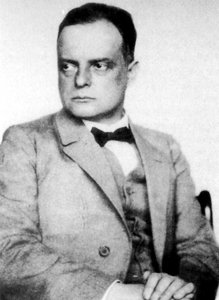
Paul Klee
1879 - 1940 , Schweiz
Eckdaten zum Künstler
- Bemerkenswerte Werke:
- Hamamet (1914)
- Rotgrün und Violett-Gelbe Rhythmen
- Wolken über Bor (1940)
- Geschwister (1930)
- Geburtsdatum: 18. Dezember 1879
- Geburtsort: Münchenbuchsee, Schweiz
- Künstlerische Richtung: Expressionismus, Kubismus, Surrealismus
- Nationalität: Schweizer-Deutscher Künstler
- Todatum: 29. Juni 1940
- Vollständiger Name: Paul Klee
Verwandte Artikel
Paul Klee: Eine Poetik der Form und Farbe – Die Entdeckung des inneren Raums eines modernen Meisters
Entdecken Sie die faszinierende Welt von Paul Klee! Expertenanalyse seiner Kunst, Bauhaus-Einflüsse & einzigartige Bildsprache. Für Sammler und Liebhaber abstrakter Malerei.
Die Top 10 Gemälde in Schattierungen von 'Slate Blue': Kunst für Ihr Zuhause
Entdecken Sie die Top 10 Gemälde in faszinierenden 'Slate Blue' Tönen! Von Monet bis Manet – erleben Sie Kunstgeschichte und lassen Sie sich von Meisterwerken inspirieren. Hochwertige Kunstdrucke auf
Paul Cézanne: Die 25 Meisterwerke des Impressionismus | AllPaintingsStore
Entdecken Sie die 25 Meisterwerke von Paul Cézanne! Tauchen Sie ein in die Welt des Impressionismus und Postimpressionismus. Erfahren Sie mehr über seine Stillleben, Landschaften & berühmten Gemälde – jetzt hochwertige Kunstdrucke auf AllPaintingsStore.com.

The Allure of Azure: Exploring the Symbolic & Aesthetic Depths of Blue in Art History
Explore the rich history of blue in art! Discover its symbolism, from ancient pigments to modern masterpieces by Kandinsky & Seurat. Uncover the psychological impact and cultural meanings behind this captivating hue.

Paul Klee: Die 25 Meisterwerke des Abstrakten – Kunst für Ihr Zuhause | AllPaintingsStore
Entdecken Sie die 25 Meisterwerke von Paul Klee! Tauchen Sie ein in seine abstrakte Welt, voller Expressionismus und Bauhaus-Einflüsse. Hochwertige Kunst für Ihr Zuhause – jetzt bei AllPaintingsStore entdecken!


