


 Vorschau anzeigen
 Versenden
 Teilen
 Details anzeigen
 Leitfaden

 Herunterladen
 Ähnliche Objekte
 Röntgenaufnahme
 Diashow
 Q&A
Q&A Statistiken
Madonna della Steccata


 Weiterlesen
Giclée / Kunstdruck
Giclée- oder Leinwanddruck in Museumsqualität mit schneller Produktion und flexiblen Veredelungsoptionen. ( Handgemalte Reproduktion bestellen Zum digitalen Bild wechseln)




P118B €10

P118H €10

P118W €10

P438Z €10

P508JH €12

P508YH €12

P805H €10

P805Z €10

P919BZ €10

P919G €10

P919XJ €10

P959ZH €10

P968JZ €12

W106C €8

W218G €10

W218JH €8

W218Y €10

W307PJ €10

W316G €10

W316PJ €8

W316Y €10

W398PJ €8

W4111J €10

W500HY €15

W500JH €15

W692G €12

W849H €8

W940BG €15

W953PJ €8




Wählen Sie aus unseren vordefinierten Formaten, die den ursprünglichen Proportionen des Kunstwerks entsprechen.

Geben Sie die benötigte Breite und Höhe an, damit der Druck perfekt in Ihren Rahmen oder an Ihre Wand passt. Ein Druck kann nur beschnitten, aber niemals größer als das Originalbild angefertigt werden; daher verliert ein Format mit anderen Proportionen einen Teil des Bildes. Wir senden Ihnen ein digitales Mockup zur Freigabe, bevor wir den Druck ausführen. Das auf dieser Seite gezeigte Bild zeigt nicht den tatsächlichen Beschnitt – dies ist nur im Mockup ersichtlich.
Weltweiter Versand () innerhalb von 2 Wochen statt der üblichen 4/5 Wochen. (29 Oktober)

Kostenloser weltweiter Expressversand

Hochwertige Leinenleinwand

Umfassender Versicherungsschutz beim Versand

Zollgebühren-Rückerstattungsgarantie

Garantie für exakte Farbtreue

100 Tage Rückgaberecht (nur bei Mängeln)

100% Geld-zurück-Garantie

Mengenrabatt verfügbar
 Die Glasoption ist nur für Größen unter 110 cm verfügbar.

Madonna della Steccata
Giclée / Kunstdruck
Format der Reproduktion
-


Endpreis
€ 56
Introduction to Raphael and his Artistic Style
Raphael, also known as Raffaello Sanzio da Urbino (1483-1520), was an Italian painter and architect of the High Renaissance. He is renowned for his harmonious compositions, clarity of form, and ease of composition. His works are characterized by their idealized beauty, serene elegance, and a sense of balance that reflects the harmony of the classical world. Giorgio Vasari famously described Raphael as “the most divine artist,” recognizing his unparalleled ability to convey grace and serenity—qualities deeply rooted in humanist ideals. He is considered one of the triumvirate of great masters alongside Leonardo da Vinci and Michelangelo, representing the pinnacle of artistic achievement during this transformative period. His father Giovanni Santi served as a court painter to Duke Federico da Montefeltro, providing young Raphael with his earliest artistic exposure. This upbringing immersed him in an environment that valued art and intellectual pursuits. Following his father’s death in 1494 when Raphael was eleven years old, he likely took on responsibilities within the family workshop, further honing his skills under the guidance of local artists. He trained primarily in Perugia, absorbing the stylistic influences of Pietro Perugino—a master whose gentle realism and meticulous attention to detail profoundly impacted Raphael’s formative years.The Diotalevi Madonna: A Masterpiece of Raphael's Early Career
The Diotalevi Madonna (1504-1505) is an early masterpiece by Raphael, painted during his stay in Florence. It depicts the Virgin Mary holding the Christ Child, surrounded by two angels and Saint John the Baptist as a child. The painting is named after its original owner, the Florentine banker Diotalevi Ghirlandaio. This work exemplifies Raphael’s mastery of composition and his ability to convey a sense of serenity and grace—a hallmark of his artistic style throughout his career. It showcases Raphael's innovative use of pyramidal structure, placing Mary at the apex and the Christ Child at the base, creating a visual equilibrium that embodies classical ideals. The soft colors employed by Raphael—particularly hues of ochre, crimson, and ultramarine—evoke warmth and tenderness, mirroring the spiritual significance of the scene. The drapery folds are rendered with remarkable precision, demonstrating Raphael’s meticulous technique and his dedication to capturing naturalistic detail while maintaining an idealized aesthetic. The subtle expressions on Mary's face convey compassion and maternal devotion, reflecting the humanist values prevalent during the Renaissance.The Influence of the Diotalevi Madonna on Renaissance Art
The Diotalevi Madonna had a profound influence on Renaissance art, particularly in its use of classical motifs and its emphasis on idealized beauty. Raphael’s innovative composition and masterful use of color and light set a new standard for religious painting, inspiring countless artists in the following centuries. Artists like Correggio and Giulio Romano consciously adopted Raphael's techniques—particularly his pyramidal compositions—to elevate their own works to similar heights of elegance and harmony. The Diotallevi Madonna became a model for portraying motherhood and divine grace, cementing Raphael’s legacy as one of the most influential painters of all time.The Legacy of Raphael and the Diotalevi Madonna
Today, the Diotalevi Madonna is considered one of Raphael's greatest masterpieces and a testament to his artistic genius. It resides in the Bode Museum in Berlin, where it continues to captivate visitors with its serene beauty and masterful execution. Its enduring appeal stems from Raphael’s ability to distill complex theological concepts into visually stunning imagery—a feat achieved through careful observation of nature and an unwavering commitment to humanist ideals. Whether you are an art lover, a collector, or simply someone who appreciates timeless elegance, a reproduction of this iconic painting offers a window into the artistic spirit of the High Renaissance. Explore AllPaintingsStore’s extensive collection today and discover the beauty and power of classical art. Raphael (Raffaello Sanzio Da Urbino):Diotalevi Madonna is available for purchase on AllPaintingsStore's website.Fragen & Antworten
Welche Farbpalette und welche Leitfarbe prägen "Madonna della Steccata"?
Die Farbidentität von "Madonna della Steccata" von Raffael: eine Dunkle Farbtöne-Palette, dominiert von Phthalogrün (#2a1617).
Welche Druckgröße wird für "Madonna della Steccata" von Raffael empfohlen?
Für "Madonna della Steccata" von Raffael wird eine Reproduktion im Format Großformatig empfohlen. Die Größe kann angepasst werden, wobei die Proportionen erhalten bleiben.
Wie stark ist der Kontrast in "Madonna della Steccata" von Raffael?
"Madonna della Steccata" von Raffael zeigt einen Aussagekraft Kontrast zwischen hellen und dunklen Bereichen.
Ähnliche Kunstwerke


Künstlerbiografie
**frühes Leben und Ausbildung**
Raphael (Raffaello Sanzio da Urbino), ein renommierter italienischer Maler und Architekt, wurde zwischen dem 28. März und dem 6. April 1483 in der kleinen, aber kulturell bedeutenden Stadt Urbino geboren. Sein Vater, Giovanni Santi, war Hofmaler des Herzogs und vermittelte Raphael von Anfang an eine frühe Auseinandersetzung mit der künstlerischen Welt. Nach dem Tod seines Vaters im Alter von elf Jahren betrieb Raphael wahrscheinlich die Familienwerkstatt weiter, was seine künstlerische Grundlage festigte.**Künstlerischer Werdegang und Einflüsse**
Raphaels künstlerischer Weg lässt sich in drei verschiedene Phasen einteilen, jede mit einem einzigartigen Stil gekennzeichnet:- Frühe Jahre in Umbrien: Charakterisiert durch den Einfluss seines Vaters und die kulturelle Atmosphäre von Urbino.
- Florentinische Periode (1504-1508): Aufnahme der künstlerischen Traditionen Florenz, die seinen Stil maßgeblich prägte.
- Römische Periode (1508-1520): Arbeitete für zwei Päpste und ihre Mitarbeiter und schuf einige seiner bekanntesten Werke, darunter die Schule der Athene in der Vatikanische Stanza della Segnatura.
**Bekannte Werke und Vermächtnis**
Einige der bekannten Werke von Raphael sind:- Das Urteil des Salomon (ansicht auf AllPaintingsStore)
- Die Esterházy-Madonna (ansicht auf AllPaintingsStore)
- Vatikanische Stanzen - Ansicht der Stanza della Segnatura (ansicht auf AllPaintingsStore)
- St. Sebastian (ansicht auf AllPaintingsStore)
- La Donna Velata (ansicht auf AllPaintingsStore)
**Einfluss und Vermächtnis**
Raphaels Einfluss auf die Kunst ist tiefgreifend, wobei sein Werk ein Eckpfeiler der Hochrenaissance darstellt. Sein ruhiger und harmonischer Stil war ein Vorbild für die neoklassische Malerei, wie von Kunsthistoriker Johann Joachim Winckelmann bemerkt. Trotz des späteren Einflusses von Michelangelos Stil bleibt Raphael einer der verehrtesten Künstler in der Geschichte. ansicht des Profils von Raphael auf AllPaintingsStore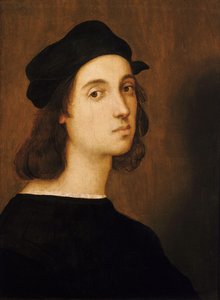
Raffael
1483 - 1520 , Italien
Kurzinfos
- Beeinflusste Künstler:
- Giovanni Santi
- Pietro Perugino
- Bemerkenswerte Werke:
- Das Urteil des Salomon
- Esterházy-Madonna
- Die Schule der Athener
- St. Sebastian
- La Donna Velata
- Einfluss Auf Kunst: Neoklassische Malerei
- Geburtsdatum: 1483
- Geburtsort: Urbino, Italien
- Künstlerischer Stil: Hochrenaissance
- Nationalität: Italienisch
- Todatum: 1520
- Vollständiger Name: Raffaello Sanzio da Urbino
- Von Künstlern Beeinflusst:
- Leonardo da Vinci
- Michelangelo
Ähnliche Artikel

Die 25 bedeutendsten Meisterwerke der Uffizien in Florenz
Erleben Sie die Meisterwerke der Uffizien von Botticelli bis Da Vinci. Entdecken Sie alle Schätze auf AllPaintingsStore.com.

Pierre-Auguste Renoir: Die 25 Meisterwerke des Impressionismus für Ihr Zuhause | AllPaintingsStore
Entdecken Sie die 25 schönsten Meisterwerke von Pierre-Auguste Renoir! Tauchen Sie ein in die Welt des Impressionismus, erleben Sie berühmte Gemälde wie 'Bal au moulin de la Galette' und finden Sie hochwertige Kunstdrucke für Ihr Zuhause. Jetzt auf AllPaintingsStore.com!

Die 10 Meisterwerke des Neoklassizismus: Kunst für Ihr Zuhause |
Entdecken Sie die 10 Meisterwerke des Neoklassizismus! Von David bis Canova – erleben Sie Kunstgeschichte, elegante Ästhetik & zeitlose Schönheit. Hochwertige Reproduktionen auf .

Meister der Harmonie: Die 25 größten Kunstwerke von Raffael
Entdecken Sie die 25 größten Meisterwerke Raffaels aus der Hochrenaissance. Erleben Sie zeitlose Kunst auf AllPaintingsStore.com.

25 Meisterwerke der Eremitage: Eine Reise durch die Kunstgeschichte
Entdecken Sie 25 Ikonen der Eremitage, von Rembrandt bis Matisse. Erleben Sie Meisterwerke auf AllPaintingsStore.com.



![Stanze Vaticane - Das Feuer im Borgo (Detail) [01]](/media/artworks/images-thumb/76/f6/76f6220ba33c4e1d9790e47ace4c7148.jpg)


