


 Vorschau anzeigen
 Versenden
 Teilen
 Details anzeigen
 Leitfaden

 Herunterladen
 Ähnliche Objekte
 Röntgenaufnahme
 Diashow
 Fragen & Antworten
 Statistiken
Madonna della Steccata

- 69.0 x 50.0 cm


 Weiterlesen
Giclée / Kunstdruck
Giclée- oder Leinwanddruck in Museumsqualität mit schneller Produktion und flexiblen Veredelungsoptionen. ( Handgemalte Reproduktion bestellen Zum digitalen Bild wechseln)




P118B €10

P118H €10

P118W €10

P438Z €10

P508JH €12

P508YH €12

P805H €10

P805Z €10

P919BZ €10

P919G €10

P919XJ €10

P959ZH €10

P968JZ €12

W106C €8

W218G €10

W218JH €8

W218Y €10

W307PJ €10

W316G €10

W316PJ €8

W316Y €10

W398PJ €8

W4111J €10

W500HY €15

W500JH €15

W692G €12

W849H €8

W940BG €15

W953PJ €8




Wählen Sie aus unseren vordefinierten Formaten, die den ursprünglichen Proportionen des Kunstwerks entsprechen.

Geben Sie die benötigte Breite und Höhe an, damit der Druck perfekt in Ihren Rahmen oder an Ihre Wand passt. Ein Druck kann nur beschnitten, aber niemals größer als das Originalbild angefertigt werden; daher verliert ein Format mit anderen Proportionen einen Teil des Bildes. Wir senden Ihnen ein digitales Mockup zur Freigabe, bevor wir den Druck ausführen. Das auf dieser Seite gezeigte Bild zeigt nicht den tatsächlichen Beschnitt – dies ist nur im Mockup ersichtlich.
Weltweiter Versand () innerhalb von 2 Wochen statt der üblichen 4/5 Wochen. (5 November)

Kostenloser weltweiter Expressversand

Hochwertige Leinenleinwand

Umfassender Versicherungsschutz beim Versand

Zollgebühren-Rückerstattungsgarantie

Garantie für exakte Farbtreue

100 Tage Rückgaberecht (nur bei Mängeln)

100% Geld-zurück-Garantie

Mengenrabatt verfügbar
 Die Glasoption ist nur für Größen unter 110 cm verfügbar.

Madonna della Steccata
Giclée / Kunstdruck
Format der Reproduktion
-


Endpreis
€ 58
Eine Vision der Gelassenheit: Raffaels Diotalevi Madonna
Der Anbruch der Hochrenaissance war geprägt von einem tiefgreifenden Wandel hin zur Harmonie – eine Bewegung, in der die rohe Energie der Beobachtung auf die erhabenen Höhen des Idealismus traf. Im Zentrum dieser Transformation steht Raffael, ein Künstler, dessen Name zum Synonym für Anmut und Klarheit wurde. Seine Diotalevi Madonna, um 1503 gemalt, dient als atemberaubendes Zeugnis dieser Ära. In diesem frühen Meisterwerk erleben wir einen jungen Raffael, der tief von den Schatten Leonardo da Vincis und der Muskulatur Michelangelos beeinflusst war und seine eigene, einzigartige Stimme fand – eine, die ein zartes, leuchtendes Gleichgewicht priorisiert. Das Gemälde ist nicht bloß eine religiöse Darstellung, sondern ein Fenster in eine Welt, in der das Göttliche und das Menschliche in perfekter, stiller Einheit existieren.Die Architektur der Hingabe
Beim ersten Betrachten wird der Betrachter von der exquisiten strukturellen Balance der Komposition ergriffen. Raffael nutzt eine klassische pyramidale Anordnung, ein Markenzeichen der Stabilität der Renaissance, das das Auge mit müheloser Präzision führt. An der Spitze thront die Jungfrau Maria, deren Präsenz zugleich erhaben und sanft ist. Sie wiegt das Christuskind in einem Arm, während der Heilige Johannes der Täufer auf ihrem Schoß ruht, wodurch ein dreieckiges Fundament entsteht, das der Szene ein dauerhaftes Gefühl von Beständigkeit verleiht. Flankiert wird diese zentrale Gruppe von zwei ätherischen Engeln, deren Flügel ausgebreitet sind und deren Gesichter sich den heiligen Figuren zuwenden. Dieser nach innen gerichtete Blick schafft einen geschlossenen Kreislauf spiritueller Kontemplation und lädt den Beobachter ein, in einen heiligen Raum stiller Wacht einzutreten. Die Komposition ist täuschend einfach, und doch ist jede Linie und jede Geste darauf ausgelegt, ein Gefühl von tiefem Frieden zu evozieren.Technik und symbolische Strahlkraft
Die technische Ausführung der Diotalevi Madonna offenbart Raffaels aufkeimende Meisterschaft über Licht und Textur. Durch die akribische Schichtung von Öllasuren auf dem Holzpaneel erreicht er eine samtige Weichheit, die der Haut der Säuglinge und dem schweren, königlichen Faltenwurf von Marias Gewand Leben einhaucht. Das subtile Zusammenspiel von Licht und Schatten – das Chiaroscuro – bewirkt mehr als nur die Definition der Form; es erhebt die Figuren von bloßem Fleisch zu Symbolen ewiger Wahrheit. Jedes Element ist von tiefer Bedeutung durchdrungen: Maria verkörpert die Reinheit und Demut, die für die christliche Tradition essenziell sind, während das Christuskind das Versprechen göttlicher Gnade repräsentiert. Selbst die Krone auf ihrem Haupt dient als stiller Vorbote ihrer himmlischen Bedeutung. Für Sammler oder Designer bietet dieses Gemälde mehr als nur visuelle Schönheit; es stellt einen Fokuspunkt von tiefgründiger symbolischer Tiefe dar, der in der Lage ist, einen Raum mit seiner stillen, erhabenen Würde zu verankern.Ein bleibendes Erbe für den modernen Raum
Eine Reproduktion eines so bedeutenden Werkes zu besitzen, bedeutet, ein Stück der harmonischsten Ära der Geschichte in das zeitgenössische Heim zu holen. Die Diotalevi Madonna überdauert ihre historischen Ursprünge und bietet eine emotionale Resonanz, die Jahrhunderte später noch immer kraftvoll ist. Ihre sanfte Farbpalette und die ausgewogenen Formen machen sie zu einem idealen Mittelpunkt für anspruchsvolle Interieurs, die ein Gefühl von Ruhe und intellektuellem Gewicht vermitteln. Ob in einer lichtdurchfluteten Galerie oder einem kuratierten privaten Arbeitszimmer platziert – die Fähigkeit des Gemäldes, Zärtlichkeit und spirituelle Reflexion hervorzurufen, macht es zu einem unvergleichlichen Schatz für all jene, die nach Kunst suchen, die die Seele ebenso anspricht wie das Auge erfreut.Fragen & Antworten
Wie viele Personen sehen "Madonna della Steccata"?
Für „Madonna della Steccata“ gibt es eine Besucherzahlen-Seite. Sie zeigt die monatlichen Aufrufe des Kunstwerks sowie weiterer Werke des Künstlers mit einer Aufschlüsselung nach Land und Sprache an.
Welche emotionale Stimmung vermittelt "Madonna della Steccata" von Raffael?
Die für "Madonna della Steccata" von Raffael festgelegte emotionale Stimmung ist Beschaulich. Sie fasst das Gefühl zusammen, das das Werk ausdrückt.
Welche Stimmung vermittelt "Madonna della Steccata" von Raffael innerhalb der High Renaissance?
Innerhalb der High Renaissance-Strömung ist „Madonna della Steccata“ mit einem Beschaulich Ton festgehalten.
Ähnliche Kunstwerke


Künstlerbiografie
**frühes Leben und Ausbildung**
Raphael (Raffaello Sanzio da Urbino), ein renommierter italienischer Maler und Architekt, wurde zwischen dem 28. März und dem 6. April 1483 in der kleinen, aber kulturell bedeutenden Stadt Urbino geboren. Sein Vater, Giovanni Santi, war Hofmaler des Herzogs und vermittelte Raphael von Anfang an eine frühe Auseinandersetzung mit der künstlerischen Welt. Nach dem Tod seines Vaters im Alter von elf Jahren betrieb Raphael wahrscheinlich die Familienwerkstatt weiter, was seine künstlerische Grundlage festigte.**Künstlerischer Werdegang und Einflüsse**
Raphaels künstlerischer Weg lässt sich in drei verschiedene Phasen einteilen, jede mit einem einzigartigen Stil gekennzeichnet:- Frühe Jahre in Umbrien: Charakterisiert durch den Einfluss seines Vaters und die kulturelle Atmosphäre von Urbino.
- Florentinische Periode (1504-1508): Aufnahme der künstlerischen Traditionen Florenz, die seinen Stil maßgeblich prägte.
- Römische Periode (1508-1520): Arbeitete für zwei Päpste und ihre Mitarbeiter und schuf einige seiner bekanntesten Werke, darunter die Schule der Athene in der Vatikanische Stanza della Segnatura.
**Bekannte Werke und Vermächtnis**
Einige der bekannten Werke von Raphael sind:- Das Urteil des Salomon (ansicht auf AllPaintingsStore)
- Die Esterházy-Madonna (ansicht auf AllPaintingsStore)
- Vatikanische Stanzen - Ansicht der Stanza della Segnatura (ansicht auf AllPaintingsStore)
- St. Sebastian (ansicht auf AllPaintingsStore)
- La Donna Velata (ansicht auf AllPaintingsStore)
**Einfluss und Vermächtnis**
Raphaels Einfluss auf die Kunst ist tiefgreifend, wobei sein Werk ein Eckpfeiler der Hochrenaissance darstellt. Sein ruhiger und harmonischer Stil war ein Vorbild für die neoklassische Malerei, wie von Kunsthistoriker Johann Joachim Winckelmann bemerkt. Trotz des späteren Einflusses von Michelangelos Stil bleibt Raphael einer der verehrtesten Künstler in der Geschichte. ansicht des Profils von Raphael auf AllPaintingsStore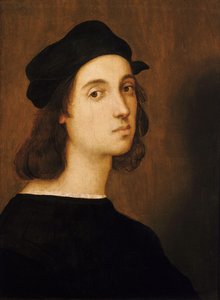
Raffael
1483 - 1520 , Italien
Kurzinfos
- Beeinflusste Künstler:
- Giovanni Santi
- Pietro Perugino
- Bemerkenswerte Werke:
- Das Urteil des Salomon
- Esterházy-Madonna
- Die Schule der Athener
- St. Sebastian
- La Donna Velata
- Einfluss Auf Kunst: Neoklassische Malerei
- Geburtsdatum: 1483
- Geburtsort: Urbino, Italien
- Künstlerischer Stil: Hochrenaissance
- Nationalität: Italienisch
- Todatum: 1520
- Vollständiger Name: Raffaello Sanzio da Urbino
- Von Künstlern Beeinflusst:
- Leonardo da Vinci
- Michelangelo
Ähnliche Artikel

Fresko-Kunst im Luxusdesign: Zeitlose Wandmalerei für exklusive Interieurs
Erfahren Sie alles über die Technik und Wirkung hochwertiger Fresken für Luxusinterieurs. Jetzt Design-Potenzial entdecken!



![Stanze Vaticane - Das Feuer im Borgo (Detail) [01]](/media/artworks/images-thumb/76/f6/76f6220ba33c4e1d9790e47ace4c7148.jpg)
