In echtem Maßstab anzeigen
 Versenden als Grußkarte
 Teilen
 Details anzeigen
 Leitfaden öffnen

 Herunterladen
 Ähnliche Objekte
 Röntgenaufnahme
 Diashow
 Besucherstatistiken
St Michael und der Teufel


 Mehr anzeigen
Giclée / Kunstdruck
Giclée- oder Leinwanddruck in Museumsqualität mit schneller Produktion und flexiblen Veredelungsoptionen. ( Handgemalte Reproduktion kaufen Zum digitalen Bild wechseln)




P118B €10

P118H €10

P118W €10

P438Z €10

P508JH €12

P508YH €12

P805H €10

P805Z €10

P919BZ €10

P919G €10

P919XJ €10

P959ZH €10

P968JZ €12

W106C €8

W218G €10

W218JH €8

W218Y €10

W307PJ €10

W316G €10

W316PJ €8

W316Y €10

W398PJ €8

W4111J €10

W500HY €15

W500JH €15

W692G €12

W849H €8

W940BG €15

W953PJ €8




Wählen Sie aus unseren vordefinierten Formaten, die den ursprünglichen Proportionen des Kunstwerks entsprechen.

Geben Sie die Breite und die Höhe an, die Sie benötigen, damit der Druck perfekt in Ihren Rahmen oder an Ihre Wand passt. Ein Druck kann nur beschnitten werden und niemals größer als das Originalbild gemacht werden; daher verliert ein Format mit einer anderen Proportion einen Teil des Bildes. Wir senden Ihnen ein digitales Mockup zur Freigabe, bevor wir den Druck ausführen. Das auf dieser Seite gezeigte Bild zeigt nicht den tatsächlichen Beschnitt – dies ist nur im Mockup ersichtlich.
Weltweiter Versand () innerhalb von 2 Wochen statt der üblichen 4/5 Wochen. (25 Oktober)

Kostenloser weltweiter Expressversand

Hochwertige Leinenleinwand

Vollständiger Versicherungsschutz beim Versand

Zollgebühren-Rückerstattungsgarantie

Garantie für exakte Farbtreue

100-tägiges Rückgaberecht (nur bei Mängeln)

100% Geld-zurück-Garantie

Angebot für Mengenrabatt
 Die Glasoption ist nur für Größen unter 110 cm verfügbar.

St Michael und der Teufel
Giclée / Kunstdruck
Format der Reproduktion
-


Gesamtpreis
€ 56
Ein himmlischer Triumph: Das göttliche Drama von Raphaels Heiligem Michael
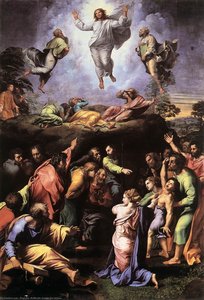
In den geheiligten Hallen des Louvre existiert ein Meisterwerk, das die reine Essenz kosmischer Konflikte einfängt. Raphaels St. Michael und der Teufel ist nicht bloß ein Gemälde; es ist ein atemberhaltsendes Theater der Seele, in dem die Grenzen zwischen Himmel und Erde in einem einzigen Moment göttlicher Gerechtigkeit verschwimmen. Sobald der Blick die Leinwand trifft, wird man sofort von der tiefen Spannung ergriffen, die in der Komposition liegt. Der Erzengel Michael, eine Gestalt von himmlischer Anmut und unnachgiebiger Stärke, steht triumphierend über seinem gefallenen Widersacher. Dies ist die ultimative Darstellung des archetypischen Kampfes zwischen Gut und Böse – eine visuelle Sinfonie, in der der Sieg des Glaubens über die Versuchung mit einer so viszeralen Intensität dargestellt wird, dass der Betrachter zum Zeugen des ewigen Ringens um die Rechtschaffenheit wird.
Die gezeigte Kunstfertigkeit verkörpert den Gipfel der Hochrenaissance, flüstert jedoch bereits von jener dramatischen, muskulösen Energie, die bald die Bewegung des Manierismus definieren sollte. Raphael, ein Meister der Harmonie, nutzt eine pyramidalen Komposition, um das Chaos zu bändigen und den Blick des Betrachters nach oben zum siegreichen Erzengel zu lenken. Die Anatomie der Figuren ist mit einer skulpturalen Präzision dargestellt, die an Michelangelo erinnert, doch Raphael verleiht der Szene eine einzigartige, fließende Eleganz. Jeder Muskel in Michaels Gestalt und jedes verdrehte Glied des besiegten Teufels trägt zu einem Gefühl von Bewegung bei, die im Augenblick des Stillstands festgehalten wurde – ein atemloser Moment inmitten eines epischen Umbruchs.
Leuchtende Technik und die Alchemie der Farben
Dieses Werk zu betrachten bedeutet, die transformative Kraft von Licht und Pigment zu erleben. Mit außergewöhnlicher technischer Meisterschaft ausgeführt, nutzt das Gemälde Öllasuren, um eine leuchtende Tiefe zu erreichen, die aus dem Inneren heraus zu glühen scheint. Raphaals Palette war in dieser Periode besonders kühn; er entfernt sich von seinen eher ruhigen Tönen, um ein reichhaltiges, dramatisches Spektrum aus warmem Gold, tiefem Rot und erdigen Brauntönen anzunehmen. Diese Farben dekorieren die Szene nicht nur – sie hauchen ihr Leben ein. Der metallische Glanz des Lichts, das von der himmlischen Rüstung reflektiert wird, und die dunklen, bedrohlichen Schatten, die über der dämonischen Gestalt liegen, erzeugen einen Chiaroscuro-Effekt, der den emotionalen Einsatz dieser Begegnung erhöht.
Die Textur des Werkes lädt zur vertieften Betrachtung ein, da der sichtbare Pinselstrich sowohl der Landschaft als auch den Figuren eine Ebene der Vitalität verleiht. Hier wirkt eine Alchemie, bei der die Vermischung der Pigmente eine Atmosphäre schafft, die so dicht ist, dass man fast spüren kann, wie der stürmische Himmel auf das felsige Gelände drückt. Für Sammler oder Innenarchitekten bietet ein solches Stück mehr als nur visuelles Interesse; es bildet einen Fokuspunkt von immenser Gravitas und Raffinesse. Eine hochwertige Reproduktion dieses Meisterwerks bringt ein Gefühl historischer Bedeutung und eine unvergleichliche Fähigkeit mit sich, die Atmosphäre jedes kuratierten Raumes zu beherrschen.
Symbolik und das ewige Erbe
Über seine ästhetische Pracht hinaus dient St. Michael und der Teufel als tiefgründige theologische Allegorie. Entstanden auf dem Höhepunkt des päpstlichen Einflusses, wahrscheinlich im Auftrag von Papst Leo X., fungiert das Gemälde als Symbol göttlicher Autorität und des unvermeidlichen Sieges des Lichts. Jedes Element ist schwer von Bedeutung: Der Speer, den der Erzengel hält, repräsentiert die durchdringende Wahrheit des Glaubens, während der unterworfenen Teufel das Chaos der Sünde verkörpert. Die Komposition dient als Mahnung, dass selbst in den dunkelsten Momenten menschlicher Erfahrung eine zugrunde liegende Ordnung und ein göttlicher Schutz existieren, der unerschütterlich bleibt.
Für jene, die ihr Heim oder ihre Galerien mit Kunst schmücken möchten, die zur Reflexion und Ehrfurcht anregt, steht dieses Werk als Zeugnis für die dauerhafte Kraft des Geistes der Renaissance. Es ist ein Stück, das von der Widerstandsfähigkeit des menschlichen Geistes und der ewigen Hoffnung auf den Triumph über die Widrigkeiten spricht. Ob man es als historisches Relikt des goldenen Zeitalters des Vatikans oder als atemberaubendes Beispiel technischer Virtuosität betrachtet – Raphaels Vision fesselt weiterhin und bietet ein Fenster in eine Welt, in der Schönheit und Göttlichkeit untrennbar miteinander verbunden sind.
Fragen & Antworten
Wo kann ich eine Vorschau von „St Michael und der Teufel“ sehen?
Um eine Reproduktion von "St Michael und der Teufel" von Raffael in der Vorschau zu sehen, öffnen Sie die Vorschau-Seite des Kunstwerks.
Was sind die Technik und das Entstehungsdatum von "St Michael und der Teufel" von Raffael?
"St Michael und der Teufel" entstand im Jahr 1518 in Öl auf Leinwand.
In welcher Technik wurde "St Michael und der Teufel" von Raffael ausgeführt?
"St Michael und der Teufel" wurde in Öl auf Leinwand ausgeführt.
Ähnliche Kunstwerke


Biografie des Künstlers
**frühes Leben und Ausbildung**
Raphael (Raffaello Sanzio da Urbino), ein renommierter italienischer Maler und Architekt, wurde zwischen dem 28. März und dem 6. April 1483 in der kleinen, aber kulturell bedeutenden Stadt Urbino geboren. Sein Vater, Giovanni Santi, war Hofmaler des Herzogs und vermittelte Raphael von Anfang an eine frühe Auseinandersetzung mit der künstlerischen Welt. Nach dem Tod seines Vaters im Alter von elf Jahren betrieb Raphael wahrscheinlich die Familienwerkstatt weiter, was seine künstlerische Grundlage festigte.**Künstlerischer Werdegang und Einflüsse**
Raphaels künstlerischer Weg lässt sich in drei verschiedene Phasen einteilen, jede mit einem einzigartigen Stil gekennzeichnet:- Frühe Jahre in Umbrien: Charakterisiert durch den Einfluss seines Vaters und die kulturelle Atmosphäre von Urbino.
- Florentinische Periode (1504-1508): Aufnahme der künstlerischen Traditionen Florenz, die seinen Stil maßgeblich prägte.
- Römische Periode (1508-1520): Arbeitete für zwei Päpste und ihre Mitarbeiter und schuf einige seiner bekanntesten Werke, darunter die Schule der Athene in der Vatikanische Stanza della Segnatura.
**Bekannte Werke und Vermächtnis**
Einige der bekannten Werke von Raphael sind:- Das Urteil des Salomon (ansicht auf AllPaintingsStore)
- Die Esterházy-Madonna (ansicht auf AllPaintingsStore)
- Vatikanische Stanzen - Ansicht der Stanza della Segnatura (ansicht auf AllPaintingsStore)
- St. Sebastian (ansicht auf AllPaintingsStore)
- La Donna Velata (ansicht auf AllPaintingsStore)
**Einfluss und Vermächtnis**
Raphaels Einfluss auf die Kunst ist tiefgreifend, wobei sein Werk ein Eckpfeiler der Hochrenaissance darstellt. Sein ruhiger und harmonischer Stil war ein Vorbild für die neoklassische Malerei, wie von Kunsthistoriker Johann Joachim Winckelmann bemerkt. Trotz des späteren Einflusses von Michelangelos Stil bleibt Raphael einer der verehrtesten Künstler in der Geschichte. ansicht des Profils von Raphael auf AllPaintingsStore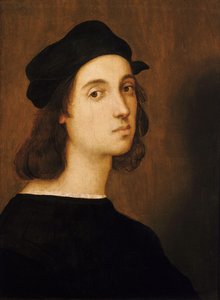
Raffael
1483 - 1520 , Italien
Eckdaten zum Künstler
- Beeinflusste Künstler:
- Giovanni Santi
- Pietro Perugino
- Bemerkenswerte Werke:
- Das Urteil des Salomon
- Esterházy-Madonna
- Die Schule der Athener
- St. Sebastian
- La Donna Velata
- Einfluss Auf Kunst: Neoklassische Malerei
- Geburtsdatum: 1483
- Geburtsort: Urbino, Italien
- Künstlerischer Stil: Hochrenaissance
- Nationalität: Italienisch
- Todatum: 1520
- Vollständiger Name: Raffaello Sanzio da Urbino
- Von Künstlern Beeinflusst:
- Leonardo da Vinci
- Michelangelo
Verwandte Artikel
Raphael: Die 25 Meisterwerke des Renaissance-Genies – Kunst für Ihr Zuhause
Entdecken Sie die 25 schönsten Meisterwerke von Raphael! Tauchen Sie ein in die Welt der Renaissance-Kunst, erfahren Sie faszinierende Geschichten und lassen Sie sich von den Farben und Kompositionen inspirieren. Hochwertige Reproduktionen auf AllPaintingsStore.com.

The Dramatic Flourish: Exploring Themes of Power, Faith & Emotion in Baroque Artworks
Explore the dramatic world of Baroque art! Discover masters like Zurbarán & the powerful influence of religious zeal on painting techniques. Expert insights for collectors and enthusiasts.

Barock Meisterwerke: Die 10 prägendsten Kunstwerke für Ihr Zuhause |
Entdecken Sie die 10 prägendsten Meisterwerke des Barock! Caravaggio, Rembrandt & Co. – Erfahren Sie die Geschichten hinter ikonischen Gemälde und finden Sie hochwertige Kunst Reproduktionen für Ihr Zuhause auf .

The Visceral Stage: Exploring Dramatic Narratives & Emotional Intensity in Baroque Art
Explore the dramatic world of Baroque art! Discover iconic masters like Caravaggio & Rembrandt, their techniques, and the movement's lasting impact. Expert insights for collectors & enthusiasts at AllPaintingsStore.

The Dramatic Flourish: Exploring the Baroque Movement's Enduring Legacy in Art History
Explore the dramatic world of Baroque art! Discover iconic artists like Caravaggio & Rubens, defining techniques, and its lasting impact on art history. Expert insights for collectors & enthusiasts at AllPaintingsStore.