


 Vorschau anzeigen
 Versenden
 Teilen
 Details anzeigen
 Leitfaden

 Herunterladen
 Ähnliche Objekte
 Röntgenaufnahme
 Diashow
 Fragen & Antworten
 Statistiken
Madonna and Child

- 55.0 x 40.0 cm

 Weiterlesen
Giclée / Kunstdruck
Giclée- oder Leinwanddruck in Museumsqualität mit schneller Produktion und flexiblen Veredelungsoptionen. ( Handgemalte Reproduktion bestellen Zum digitalen Bild wechseln)




P118B €10

P118H €10

P118W €10

P438Z €10

P508JH €12

P508YH €12

P805H €10

P805Z €10

P919BZ €10

P919G €10

P919XJ €10

P959ZH €10

P968JZ €12

W106C €8

W218G €10

W218JH €8

W218Y €10

W307PJ €10

W316G €10

W316PJ €8

W316Y €10

W398PJ €8

W4111J €10

W500HY €15

W500JH €15

W692G €12

W849H €8

W940BG €15

W953PJ €8




Wählen Sie aus unseren vordefinierten Formaten, die den ursprünglichen Proportionen des Kunstwerks entsprechen.

Geben Sie die benötigte Breite und Höhe an, damit der Druck perfekt in Ihren Rahmen oder an Ihre Wand passt. Ein Druck kann nur beschnitten, aber niemals größer als das Originalbild angefertigt werden; daher verliert ein Format mit anderen Proportionen einen Teil des Bildes. Wir senden Ihnen ein digitales Mockup zur Freigabe, bevor wir den Druck ausführen. Das auf dieser Seite gezeigte Bild zeigt nicht den tatsächlichen Beschnitt – dies ist nur im Mockup ersichtlich.
Weltweiter Versand () innerhalb von 2 Wochen statt der üblichen 4/5 Wochen. (8 November)

Kostenloser weltweiter Expressversand

Hochwertige Leinenleinwand

Umfassender Versicherungsschutz beim Versand

Zollgebühren-Rückerstattungsgarantie

Garantie für exakte Farbtreue

100 Tage Rückgaberecht (nur bei Mängeln)

100% Geld-zurück-Garantie

Mengenrabatt verfügbar
 Die Glasoption ist nur für Größen unter 110 cm verfügbar.

Madonna and Child
Giclée / Kunstdruck
Format der Reproduktion
-


Endpreis
€ 58
A Portrait of Devotion: Raphael’s Virgin Mary
Raphael's depiction of the Virgin Mary cradling her child is more than just a religious image; it’s a distillation of the Renaissance ideal – a harmonious blend of piety, beauty, and intellectual grace. Painted likely around 1506-1508, during his formative years in Florence and Rome, this work reveals the nascent genius that would soon define one of art history's most celebrated figures. The painting’s immediate impact lies in its serene composition and the palpable sense of tenderness emanating from the central figures. It’s a scene instantly recognizable as embodying maternal love and divine grace, yet subtly layered with complexities reflecting the intellectual currents of the era.
- Subject Matter: The painting focuses entirely on Mary and Jesus, emphasizing their spiritual significance and highlighting the profound connection between mother and child.
- Style: Raphael’s style at this period is characterized by a delicate balance between classical influences – particularly evident in the idealized forms – and emerging Renaissance naturalism. He skillfully avoids overt theatricality, opting for a quiet dignity that speaks to the timelessness of the subject.
Technique and Materials: A Master’s Hand
Raphael's mastery is immediately apparent in his meticulous technique. Executed primarily in oil on panel, the painting demonstrates a remarkable understanding of color and light. The use of sfumato – a subtle blurring of edges achieved through layers of translucent paint – creates an ethereal quality, softening the forms and lending them an almost dreamlike appearance. Note the delicate modeling of Mary’s face, capturing the subtle nuances of her expression with astonishing realism. The rich blues and reds used in the drapery contribute to the overall sense of depth and luxury, reflecting the wealth and patronage that fueled artistic production during this time.
- Oil on Panel: The use of oil paint allowed for a greater level of detail and luminosity compared to tempera.
- Sfumato: Raphael’s masterful application of sfumato creates an atmospheric effect, softening the forms and adding to the painting's ethereal quality.
- Color Palette: The rich blues, reds, and golds used in the composition contribute to its visual impact and symbolic significance.
Symbolism and Context: Echoes of the Renaissance
The painting’s symbolism is deeply rooted in Christian iconography and the humanist philosophy that was flourishing during the High Renaissance. Mary's pose, with her hand gently shielding Jesus from the viewer, represents protection and divine grace. The inclusion of the two figures on the left side, often interpreted as representing John the Baptist and possibly Saint Peter, reinforces the narrative context of Christ’s infancy. This work reflects the broader intellectual climate of the time – a renewed interest in classical antiquity combined with a fervent devotion to Christian faith. Raphael was deeply influenced by artists like Leonardo da Vinci and Michelangelo, absorbing their innovative techniques and philosophical ideas.
Historical Context: The painting was likely commissioned for a private chapel or wealthy patron, reflecting the growing importance of religious art within Italian society. The patronage system played a crucial role in fostering artistic innovation during this period, providing artists with the resources and freedom to experiment with new styles and techniques.Emotional Impact and Legacy
Ultimately, Raphael’s Virgin Mary transcends mere representation; it evokes a profound sense of peace, reverence, and maternal love. The painting's enduring appeal lies in its ability to connect viewers across centuries, tapping into universal human emotions. It is a testament to Raphael’s genius – his capacity to capture not just the physical likeness of his subjects but also their spiritual essence. Today, reproductions of this masterpiece continue to inspire awe and admiration, solidifying Raphael's place as one of the greatest artists in history.
Fragen & Antworten
Wo kann ich eine digitale Abbildung von "Madonna and Child" von Raffael kaufen?
Ein digitales Bild von "Madonna and Child" von Raffael kann auf der entsprechenden Digitales Kunstwerk-Seite erworben werden: hochauflösender digitaler Bild-Download.
Wie kann ich das Bild von "Madonna and Child" von Raffael herunterladen?
"Madonna and Child" von Raffael kann auf der Download-Seite des Kunstwerks als hochauflösender digitaler Bild-Download heruntergeladen werden.
Welche Maße hat das Originalwerk "Madonna and Child" von Raffael?
Die Maße von "Madonna and Child" von Raffael betragen 55 x 40 cm. Reproduktionen können in anderen Größen bestellt werden, wobei die Proportionen beibehalten werden.
Ähnliche Kunstwerke


Künstlerbiografie
**frühes Leben und Ausbildung**
Raphael (Raffaello Sanzio da Urbino), ein renommierter italienischer Maler und Architekt, wurde zwischen dem 28. März und dem 6. April 1483 in der kleinen, aber kulturell bedeutenden Stadt Urbino geboren. Sein Vater, Giovanni Santi, war Hofmaler des Herzogs und vermittelte Raphael von Anfang an eine frühe Auseinandersetzung mit der künstlerischen Welt. Nach dem Tod seines Vaters im Alter von elf Jahren betrieb Raphael wahrscheinlich die Familienwerkstatt weiter, was seine künstlerische Grundlage festigte.**Künstlerischer Werdegang und Einflüsse**
Raphaels künstlerischer Weg lässt sich in drei verschiedene Phasen einteilen, jede mit einem einzigartigen Stil gekennzeichnet:- Frühe Jahre in Umbrien: Charakterisiert durch den Einfluss seines Vaters und die kulturelle Atmosphäre von Urbino.
- Florentinische Periode (1504-1508): Aufnahme der künstlerischen Traditionen Florenz, die seinen Stil maßgeblich prägte.
- Römische Periode (1508-1520): Arbeitete für zwei Päpste und ihre Mitarbeiter und schuf einige seiner bekanntesten Werke, darunter die Schule der Athene in der Vatikanische Stanza della Segnatura.
**Bekannte Werke und Vermächtnis**
Einige der bekannten Werke von Raphael sind:- Das Urteil des Salomon (ansicht auf AllPaintingsStore)
- Die Esterházy-Madonna (ansicht auf AllPaintingsStore)
- Vatikanische Stanzen - Ansicht der Stanza della Segnatura (ansicht auf AllPaintingsStore)
- St. Sebastian (ansicht auf AllPaintingsStore)
- La Donna Velata (ansicht auf AllPaintingsStore)
**Einfluss und Vermächtnis**
Raphaels Einfluss auf die Kunst ist tiefgreifend, wobei sein Werk ein Eckpfeiler der Hochrenaissance darstellt. Sein ruhiger und harmonischer Stil war ein Vorbild für die neoklassische Malerei, wie von Kunsthistoriker Johann Joachim Winckelmann bemerkt. Trotz des späteren Einflusses von Michelangelos Stil bleibt Raphael einer der verehrtesten Künstler in der Geschichte. ansicht des Profils von Raphael auf AllPaintingsStore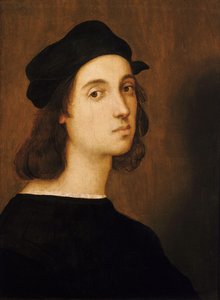
Raffael
1483 - 1520 , Italien
Kurzinfos
- Beeinflusste Künstler:
- Giovanni Santi
- Pietro Perugino
- Bemerkenswerte Werke:
- Das Urteil des Salomon
- Esterházy-Madonna
- Die Schule der Athener
- St. Sebastian
- La Donna Velata
- Einfluss Auf Kunst: Neoklassische Malerei
- Geburtsdatum: 1483
- Geburtsort: Urbino, Italien
- Künstlerischer Stil: Hochrenaissance
- Nationalität: Italienisch
- Todatum: 1520
- Vollständiger Name: Raffaello Sanzio da Urbino
- Von Künstlern Beeinflusst:
- Leonardo da Vinci
- Michelangelo
Ähnliche Artikel

Fresko-Kunst im Luxusdesign: Zeitlose Wandmalerei für exklusive Interieurs
Erfahren Sie alles über die Technik und Wirkung hochwertiger Fresken für Luxusinterieurs. Jetzt Design-Potenzial entdecken!



![Stanze Vaticane - Das Feuer im Borgo (Detail) [01]](/media/artworks/images-thumb/76/f6/76f6220ba33c4e1d9790e47ace4c7148.jpg)
