


 In echtem Maßstab anzeigen
 Versenden als Grußkarte
 Teilen
 Details anzeigen
 Leitfaden

 Herunterladen
 Ähnliche Objekte
 Röntgenaufnahme
 Diashow
 Besucherstatistiken
Memory


 Mehr anzeigen
Handgefertigte Ölreproduktion
Handgemaltes Ölgemälde auf Leinwand in Ihrer Wunschgröße und mit Rahmen, auf Bestellung von unseren Künstlern angefertigt. ( Zum Druck wechseln Zum digitalen Bild wechseln)




P118B $10

P118H $10

P118W $10

P438Z $10

P508JH $12

P508YH $12

P805H $10

P805Z $10

P919BZ $10

P919G $10

P919XJ $10

P959ZH $10

P968JZ $12

W106C $8

W218G $10

W218JH $8

W218Y $10

W307PJ $10

W316G $10

W316PJ $8

W316Y $10

W398PJ $8

W4111J $10

W500HY $15

W500JH $15

W692G $12

W849H $8

W940BG $15

W953PJ $8




Wählen Sie aus unseren vordefinierten Formaten, die den ursprünglichen Proportionen des Kunstwerks entsprechen.

Sie können Ihre eigenen Maße eingeben, um einen bestimmten Rahmen oder Platz auszufüllen. Wenn die gewählte Größe nicht den Proportionen des Originalbildes entspricht, werden wir das Kunstwerk entweder beschneiden oder das Gemälde durch zusätzliche, handgemalte Elemente erweitern. Ein digitales Mockup wird Ihnen zur Genehmigung zugesandt, bevor die Produktion beginnt.
Bitte beachten Sie, dass die Bildschirmvorschau nicht die tatsächliche Beschneidung oder Erweiterung widerspiegelt. Nur das Mockup zeigt die endgültige Komposition exakt an.
Obwohl Sondermaße verfügbar sind, empfehlen wir, eine Größe aus der vordefinierten Liste zu wählen, um die ursprünglichen Proportionen beizubehalten.
Nach der Bestellung wird das AllPaintingsStore.com-Team dem Kunden Anweisungen per E-Mail zusenden und eine Mockup-Vorschau bereitstellen.
Weltweiter Versand () in nur 3 bis 4 Wochen statt der üblichen 5 Wochen. (22 September). Keine Kompromisse bei der Qualität.

Kostenloser weltweiter Expressversand

Hochwertige Leinenleinwand

Vollständiger Versicherungsschutz beim Versand

Zollgebühren-Rückerstattungsgarantie

Garantie für exakte Farbtreue

100-tägiges Rückgaberecht (nur bei Mängeln)

100% Geld-zurück-Garantie

Angebot für Mengenrabatt
 Die Glasoption ist nur für Größen unter 110 cm verfügbar.

Memory
Reproduktionsmedium
Format der Reproduktion
-


Gesamtpreis
$ 258
A Haunting Reverie: René Magritte’s “Memory”
René Magritte's "Memory," painted in 1948, is not merely a depiction of a statue; it’s an immersion into the unsettling realm of the subconscious, a testament to the artist’s profound engagement with themes of loss, memory, and the deceptive nature of reality. The painting immediately arrests the viewer with its stark contrast: the cold, impassive face of the marble bust, stained with a vibrant red – a color traditionally associated with passion, violence, and, crucially, blood – against the muted tones of the cloudy sky and the delicate pink of the roses. This juxtaposition creates an immediate tension, forcing us to confront uncomfortable questions about representation and the fragility of recollection.
- Subject Matter: The central figure is a female bust, likely inspired by classical sculpture, yet rendered with Magritte’s signature ambiguity. Its anonymity amplifies its symbolic weight, transforming it into a vessel for universal human experiences – grief, regret, and the lingering presence of the past.
- Color Palette: The limited palette—primarily blues, grays, and reds—contributes significantly to the painting's melancholic mood. The red is not simply a color; it’s a deliberate intrusion, a visceral reminder of trauma and the indelible mark left by painful memories.
Surrealist Techniques and Composition
Magritte was a key figure in the Surrealist movement, yet his approach differed from the overtly fantastical works often associated with the group. “Memory” exemplifies his meticulous attention to detail and his ability to create unsettling effects through seemingly ordinary subjects. The composition is carefully constructed; the roses, placed strategically in the foreground, serve as both focal points and symbols of beauty amidst decay. Their presence suggests a futile attempt to preserve or embellish a painful memory. The ball, positioned near the right edge, adds another layer of ambiguity – perhaps representing a lost opportunity, a sphere of influence, or simply an object caught within the confines of recollection.
Magritte’s technique is characterized by precise brushwork and a masterful use of light and shadow. He employed oil paints with a delicate touch, building up layers to achieve a smooth, almost polished surface – a characteristic feature of his work. This meticulousness contrasts sharply with the unsettling subject matter, further enhancing the painting's impact.
Symbolism and Historical Context
The image of the statue’s face, obscured by the red stain, is deeply rooted in Magritte’s personal history. The suicide of his mother, a recurring motif in his work, undoubtedly informed this piece. The veiled figure can be interpreted as a representation of suppressed grief or the inability to fully confront painful memories. Painted in 1948, “Memory” reflects the post-war anxieties and disillusionment prevalent at the time. The painting’s exploration of psychological states aligns with the broader Surrealist interest in exploring the irrational and unconscious mind.
Furthermore, Magritte's work engages with the philosophical debates surrounding perception and representation that were gaining momentum in the mid-20th century. He challenges the viewer to question what they see – is it a faithful reflection of reality, or merely an illusion constructed by the artist’s hand and our own subjective interpretations?
Emotional Impact and Artistic Value
"Memory" possesses a haunting beauty that transcends its unsettling subject matter. It evokes a profound sense of melancholy and invites contemplation on the nature of memory, loss, and the enduring power of the past. This reproduction captures Magritte’s meticulous technique and vibrant color palette, offering an authentic representation of this iconic work. It is a piece perfect for collectors seeking to own a significant example of Surrealist art or for interior designers looking to introduce a touch of enigmatic beauty into their spaces – a reminder that even in the face of darkness, there can be a strange and compelling allure.
Ähnliche Kunstwerke


Biografie des Künstlers
frühes Leben und künstlerische Anfänge
René François Ghislain Magritte, ein renommierter belgischer Surrealist, wurde am 21. November 1898 in Lessines, Provinz Hainaut, Belgien, geboren. Sein frühes Leben ist bisweilen rätselhaft und wenig bekannt. Es ist jedoch dokumentiert, dass er 1910 Zeichenunterricht nahm.Künstlerische Entwicklung und Einflüsse
Magrittes künstlerischer Stil entwickelte sich im Laufe der Jahre erheblich weiter und wurde von verschiedenen Strömungen wie Impressionismus, Futurismus und Kubismus beeinflusst. Seine frühesten Gemälde, die aus etwa 1915 stammen, waren **im Stil des Impressionismus**. Von 1916 bis 1918 studierte er an der Académie Royale des Beaux-Arts in Brüssel unter Constant Montald.Surrealistische Periode und bemerkenswerte Werke
Im Jahr 1926 schuf Magritte seine erste surrealistische Malerei, "Der verlorene Jockey (Le jockey perdu)", das den Beginn seiner Verbindung mit der Surrealistenbewegung markierte. Seine Werke sind durch nachdenkliche Bilder gekennzeichnet, die oft alltägliche Gegenstände in ungewöhnlichen Kontexten darstellen und Betrachter dazu auffordern, ihre Wahrnehmung von Realität zu hinterfragen.- "Les Amants" (1927-1928), eine Reihe von Gemälden mit Personen, deren Gesichter durch Stoffe verhüllt sind, wird vermutet, von der Geschichte des Todes seiner Mutter inspiriert zu sein.
- "Die Liebenden", ein weiteres ikonisches Werk, zeigt ein Paar, das sich küsst, wobei ihre Gesichter von weißen Stoffen bedeckt sind, und lädt den Betrachter ein, über Liebe und Identität nachzudenken. (Verfügbar als handgefertigte Ölgemälde-Reproduktion oder Druck auf Leinwand unter AllPaintingsStore.com)
Spätere Jahre und Vermächtnis
Magrittes Werke wurden in den Vereinigten Staaten 1936 und erneut in zwei retrospektiven Ausstellungen, eine im Museum of Modern Art im Jahr 1965 und die andere im Metropolitan Museum of Art im Jahr 1992, gezeigt. Er blieb dem politischen Linken verpflichtet, befürwortete aber die künstlerische Autonomie. Bekannte Museen, in denen Magrittes Werke ausgestellt sind:- Musées royaux des beaux-arts de Belgique, Brüssel, Belgien (Entdecken Sie die Meisterwerke der Musées royaux des beaux-aarts de belgique unter AllPaintingsStore.com)
- Magritte Museum, Teil der Musées royaux des beaux-arts de Belgique, das die weltweit größte Sammlung von Magrittes Werken beherbergt.
Fazit
René Magrittes Vermächtnis als surrealistischer Meister hält an, wobei seine nachdenklichen Bilder weiterhin inspirieren und faszinieren. Seine Werke, die durch ihre einzigartige Mischung aus Gewöhnlichem und Unerwartetem gekennzeichnet sind, gelten als Eckpfeiler der Surrealistenkunst. Mehr über René Magritte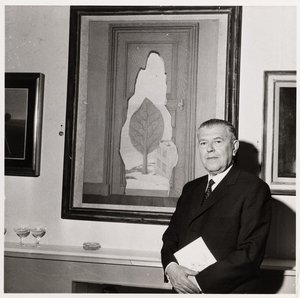
René Magritte
1898 - 1967 , Belgien
Eckdaten zum Künstler
- Beeinflusste Künstler:
- Impressionismus
- Futurismus
- Kubismus
- Bemerkenswerte Werke:
- Der verlorene Jockey
- Les Amants
- Die menschliche Bedingung
- Zeit erstarrt
- Geburtsdatum: 21. November 1898
- Geburtsort: Lessines, Belgien
- Künstlerischer Stil: Surrealismus
- Nationalität: Belgisch
- Sterbedatum: 1967
- Vollständiger Name: René Magritte
Verwandte Artikel

Surrealismus: Die 10 Meisterwerke, die eine Kunstbewegung prägten |
Entdecken Sie die 10 prägendsten Meisterwerke des Surrealismus! Von Dalí bis Magritte – erfahren Sie die Geschichten hinter ikonischen Gemälde und lassen Sie sich von traumhaften Welten inspirieren. Hochwertige Art Reproduktionen auf .

Giclée Prints: Archival Quality & Aesthetic Nuances for the Discerning Collector
Explore the world of giclée prints with AllPaintingsStore. Learn about archival quality, aesthetic nuances & investment potential. Expert guidance for discerning art collectors seeking museum-quality reproductions and lasting value.

Surrealist Expression: Unlocking the Power of Dreams and the Subconscious through Art History
Explore the profound depths of Surrealism. From Dalí’s dreamscapes to Magritte’s enigmas, master the history of the subconscious mind through our expert art guide and discover museum-quality oil reproductions of the world's most iconic surrealist masterpieces.

The Treachery of Images: Decoding René Magritte’s Surrealist Philosophy and the Paradox of Representation
Explore the profound mystery of René Magritte’s 'The Treachery of Images.' Dive into an expert analysis of his Surrealist philosophy, the paradox of representation, and how he challenged reality through the interplay of language and visual perception.

Surrealismus: Die 10 Meisterwerke, die eine Kunstbewegung prägten | AllPaintingsStore
Entdecken Sie die 10 Meisterwerke des Surrealismus! Von Dalí bis Magritte – erfahren Sie die Geschichten hinter ikonischen Gemälde und lassen Sie sich von traumartigen Bildern inspirieren. Hochwertige Art Reproduktionen auf AllPaintingsStore.com.


