In echtem Maßstab anzeigen
 Versenden
 Teilen
 Details anzeigen

 Herunterladen
 Ähnliche Objekte
 Röntgenaufnahme
 Diashow starten
Standing Rib


 Mehr anzeigen
Giclée / Kunstdruck
Giclée- oder Leinwanddruck in Museumsqualität mit schneller Produktion und flexiblen Veredelungsoptionen. ( Zur handgemalten Reproduktion wechseln Zum Bild wechseln)




P118B $10

P118H $10

P118W $10

P438Z $10

P508JH $12

P508YH $12

P805H $10

P805Z $10

P919BZ $10

P919G $10

P919XJ $10

P959ZH $10

P968JZ $12

W106C $8

W218G $10

W218JH $8

W218Y $10

W307PJ $10

W316G $10

W316PJ $8

W316Y $10

W398PJ $8

W4111J $10

W500HY $15

W500JH $15

W692G $12

W849H $8

W940BG $15

W953PJ $8




Wählen Sie aus unseren vordefinierten Formaten, die den ursprünglichen Proportionen des Kunstwerks entsprechen.

Sie können Ihre eigenen Maße eingeben, um ein bestimmtes Format oder einen speziellen Platz einzupassen. Wenn das von Ihnen gewählte Format nicht den Proportionen des Originalbildes entspricht, werden wir das Kunstwerk entweder beschneiden oder das Bild mit einem gespiegelten oder einfarbigen Rand erweitern. Ein digitaler Entwurf wird Ihnen zur Genehmigung zugesandt, bevor die Produktion beginnt.
Bitte beachten Sie, dass die Vorschau auf dem Bildschirm nicht den tatsächlichen Zuschnitt oder die Erweiterung widerspiegelt. Nur der Entwurf zeigt die endgültige Komposition präzise an.
Obwohl Sondermaße verfügbar sind, empfehlen wir die Auswahl eines Maßes aus der vordefinierten Liste, um die ursprünglichen Proportionen zu bewahren.
Weltweiter Versand () innerhalb von 2 Wochen statt der üblichen 4/5 Wochen. (5 August)

Kostenloser weltweiter Expressversand

Hochwertige Leinenleinwand

Vollumfänglicher Versicherungsschutz beim Versand

Zollgebühren-Rückerstattungsgarantie

Garantie für exakte Farbtreue

60 Tage Rückgaberecht (nur bei Mängeln)

100% Geld-zurück-Garantie

Angebot für Mengenrabatt
 Die Glasoption ist nur in Größen unter 110 cm verfügbar.

Standing Rib
Giclée / Kunstdruck
Format der Reproduktion
-


Gesamtpreis
$ 64
Objektbeschreibung
Roy Lichtenstein's "Standing Rib": A Pop Art Icon
Roy Lichtenstein’s “Standing Rib,” created in 1962, is more than just a painting of meat; it’s a meticulously crafted statement about consumerism, mass culture, and the very nature of representation. This seemingly simple image – a raw beef rib presented on a stark white plate – embodies the core tenets of Lichtenstein's groundbreaking Pop Art style. The work immediately confronts the viewer with its bold, graphic execution, a deliberate departure from the traditional notions of artistic subject matter and technique that had dominated Western art for centuries.
- Subject Matter: The choice of a commonplace object – a piece of meat – was revolutionary. Lichtenstein elevated the mundane to the level of high art, challenging viewers to reconsider their perceptions of value and beauty.
- Style & Technique: Executed in Lichtenstein’s signature style, “Standing Rib” employs hard-edge techniques borrowed from commercial printing processes, particularly comic strips. The use of flat planes of color, Ben-Day dots (simulated through carefully placed small circles), and a limited palette – primarily reds, whites, and blacks – creates an illusion of depth and texture while simultaneously flattening the image, mimicking the effect of a printed illustration.
The Genesis of Pop Art & American Identity
“Standing Rib” emerged during a pivotal moment in art history: the rise of Pop Art in the 1960s. This movement, spearheaded by artists like Lichtenstein, Andy Warhol, and Claes Oldenburg, reacted against Abstract Expressionism’s emphasis on individual emotion and subjective experience. Instead, Pop Art embraced imagery from popular culture – advertising, comic books, consumer products – reflecting the growing influence of mass media and the burgeoning American economy. The painting's subject matter directly engages with themes prevalent in American society at the time: abundance, consumption, and the idealized image of the ‘American’ meal.
Lichtenstein’s background also played a crucial role. His early training in realistic drawing instilled a technical proficiency that he then deliberately subverted, using his skills to create deliberately artificial representations. This approach was influenced by his exposure to jazz music – a key element of the burgeoning counterculture – which valued improvisation and disruption of established norms.
Symbolism & Emotional Impact
While seemingly straightforward, “Standing Rib” is rich in symbolic meaning. The stark white plate acts as a stage, isolating the meat and emphasizing its presentation. The vibrant red color of the rib draws attention to its texture and form, almost fetishizing the object. The painting’s impact lies not in depicting beauty but in provoking thought about our relationship with consumer culture and the way we are bombarded with images that shape our desires. It's a deceptively simple work that continues to resonate today, prompting questions about authenticity, representation, and the role of art in society.
The meticulous detail captured in the painting – the sheen of the meat, the subtle variations in color – is a testament to Lichtenstein’s technical skill. It's a powerful reminder that even seemingly banal subjects can be transformed into compelling works of art through careful observation and innovative technique.
Ähnliche Kunstwerke


Künstlerbiografie
frühes Leben und Ausbildung
Roy Fox Lichtenstein, ein prominenter amerikanischer Pop-Künstler, wurde am 27. Oktober 1923 in New York City geboren. Er wuchs in einer wohlhabenden jüdischen Familie auf, mit seinem Vater als Immobilienmakler und seiner Mutter als Hausfrau. Lichtensteins Interesse an Kunst und Design begann während seiner Schulzeit als Hobby.Künstlerische Karriere
Nach Abschluss seiner Schulausbildung am Dwight School im Jahr 1940 besuchte Lichtenstein die Art Students League of New York unter der Anleitung von Reginald Marsh. Er studierte anschließend einen Abschluss in Fine Arts an der Ohio State University, der durch eine dreijährige Verlegung in das Militär während des Zweiten Weltkriegs unterbrochen wurde.- Look Mickey (1961, National Gallery of Art, Washington, D.C.), eines von Lichtensteins frühesten Pop-Kunstwerke, markierte den Beginn seiner einflussreichen Karriere.
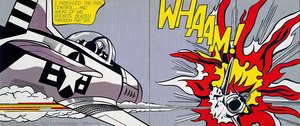
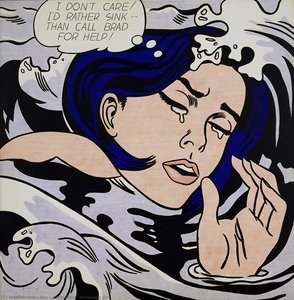
- Seine Arbeit war stark von Werbe- und Comic-Stilen beeinflusst, darunter bedeutende Werke wie Wham!, Drowning Girl und Oh, Jeff...I Love You Too...But...
- Lichtensteins teuerstes Werk, Masterpiece, wurde im Januar 2017 für 165 Millionen Dollar verkauft.
Lehre und Einflüsse
Lichtenstein lehrte an verschiedenen Institutionen, darunter die State University of New York at Oswego und die Rutgers University. Seine Arbeit war von Allan Kaprow beeinflusst, einem Kollegen an der Rutgers University, der sein Interesse an proto-Pop-Bildern wiederbelebte. Bekannte Ausstellungen:- The Museum Chambre de Commerce (Toulouse, Frankreich), das verschiedene Kunstwerke aus der Pop-Art-Bewegung zeigte.
- Lichtensteins Werk wurde in der Leo Castelli Gallery in New York City ausgestellt, wobei seine erste Einzelausstellung 1962 vor der Eröffnung vollständig von einflussreichen Sammlern gekauft wurde.
Vermächtnis und Einfluss
Roy Lichtenstein starb am 29. September 1997 und hinterließ ein Vermächtnis als eine führende Figur in der Pop-Art-Bewegung. Seine Arbeit wird weiterhin für ihre innovative Verschmelzung von Hoch- und Populärkultur gefeiert, wodurch sie einem breiteren Publikum zugänglich gemacht wird.- Entdecken Sie mehr von Lichtensteins Kunstwerke auf AllPaintingsStore.com
- Erfahren Sie die Welt der Pop-Art und ihrer einflussreichen Künstler auf Pop Art und darüber hinaus: Navigieren Sie mit AllPaintingsStore.com durch zeitgenössische Stile
- Wikipedia: Roy Lichtenstein
- The Museum Chambre de Commerce (Toulouse, Frankreich) auf AllPaintingsStore.com
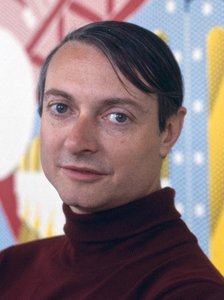
Roy Lichtenstein
1923 - 1997 , Vereinigte Staaten von Amerika
Eckdaten zum Künstler
- Beeinflusste Künstler:
- Reginald Marsh
- Allan Kaprow
- Bemerkenswerte Werke:
- Look Mickey
- Whaam!
- Drowning Girl
- Masterpiece
- Geburtsdatum: 27. Oktober 1923
- Geburtsort: Manhattan, USA
- Künstlerische Richtung: Pop Art
- Nationalität: Amerikanisch
- Todatum: 29. September 1997
- Vollständiger Name: Roy Lichtenstein
Verwandte Artikel

Roy Lichtenstein: Die 25 Meisterwerke des Pop Art – Kunst für Ihr Zuhause | AllPaintingsStore
Entdecken Sie die 25 ikonischsten Meisterwerke von Roy Lichtenstein! Tauchen Sie ein in die Welt der Pop Art, lernen Sie die Geschichten hinter den berühmten Gemälden und finden Sie perfekte Kunstreproduktionen für Ihr Zuhause. Jetzt auf AllPaintingsStore.com entdecken!
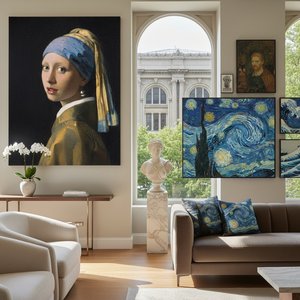
Die 25 Meisterwerke des Metropolitan Museum of Art: Kunst für Ihr Zuhause | AllPaintingsStore
Entdecken Sie die 25 berühmtesten Kunstwerke des Metropolitan Museum of Art, New York! Von Van Gogh bis Monet – erleben Sie Geschichten hinter Meisterwerken. Hochwertige Reproduktionen & Inspiration für Ihr Zuhause auf AllPaintingsStore.com.
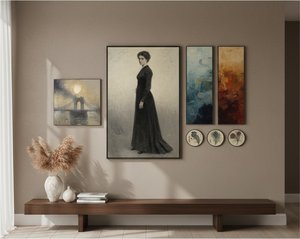
James Abbott McNeill Whistler: Die 25 Meisterwerke für Ihr Zuhause | AllPaintingsStore
Entdecken Sie die 25 Meisterwerke von James Abbott McNeill Whistler! Von den berühmten Nocturnes bis zu ikonischen Porträts – erleben Sie Ästhetizismus, Impressionismus & Tonalismus. Hochwertige Reproduktionen auf AllPaintingsStore.com.
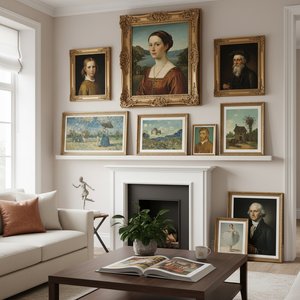
Die 25 Meisterwerke der National Gallery Washington: Kunst für Ihr Zuhause | AllPaintingsStore
Entdecken Sie die 25 ikonischsten Meisterwerke der National Gallery Washington! Von Cézanne bis Picasso – erfahren Sie die Geschichten hinter berühmten Gemälden, Kunststilen & Farbpaletten. Hochwertige Kunstdrucke online bei AllPaintingsStore.com.
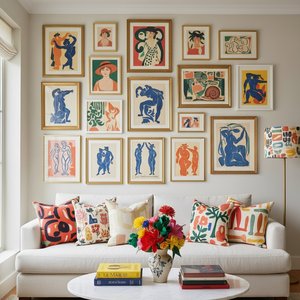
Henri Matisse: Die 25 Meisterwerke des Farbgenies – Kunst für Ihr Zuhause | AllPaintingsStore
Entdecken Sie die 25 Meisterwerke von Henri Matisse! Tauchen Sie ein in die Welt des Fauvismus, der leuchtenden Farben und ikonischen Formen. Kunstreproduktionen & Inspiration für Ihr Zuhause – exklusiv auf AllPaintingsStore.com.