


 In echtem Maßstab anzeigen
 Versenden als Grußkarte
 Teilen
 Details anzeigen
 Leitfaden öffnen

 Herunterladen
 Ähnliche Objekte
 Röntgenaufnahme
 Diashow
 Besucherstatistiken
Primavera -

 Mehr anzeigen
Handgefertigte Ölreproduktion
Handgemaltes Ölgemälde auf Leinwand in Ihrer Wunschgröße und mit Rahmen, auf Bestellung von unseren Künstlern angefertigt. ( Zum Druck wechseln Zum digitalen Bild wechseln)




P118B $10

P118H $10

P118W $10

P438Z $10

P508JH $12

P508YH $12

P805H $10

P805Z $10

P919BZ $10

P919G $10

P919XJ $10

P959ZH $10

P968JZ $12

W106C $8

W218G $10

W218JH $8

W218Y $10

W307PJ $10

W316G $10

W316PJ $8

W316Y $10

W398PJ $8

W4111J $10

W500HY $15

W500JH $15

W692G $12

W849H $8

W940BG $15

W953PJ $8




Wählen Sie aus unseren vordefinierten Formaten, die den ursprünglichen Proportionen des Kunstwerks entsprechen.

Sie können Ihre eigenen Maße eingeben, um einen bestimmten Rahmen oder Platz auszufüllen. Wenn die gewählte Größe nicht den Proportionen des Originalbildes entspricht, werden wir das Kunstwerk entweder beschneiden oder das Gemälde durch zusätzliche, handgemalte Elemente erweitern. Ein digitales Mockup wird Ihnen zur Genehmigung zugesandt, bevor die Produktion beginnt.
Bitte beachten Sie, dass die Bildschirmvorschau nicht die tatsächliche Beschneidung oder Erweiterung widerspiegelt. Nur das Mockup zeigt die endgültige Komposition exakt an.
Obwohl Sondermaße verfügbar sind, empfehlen wir, eine Größe aus der vordefinierten Liste zu wählen, um die ursprünglichen Proportionen beizubehalten.
Nach der Bestellung wird das AllPaintingsStore.com-Team dem Kunden Anweisungen per E-Mail zusenden und eine Mockup-Vorschau bereitstellen.
Weltweiter Versand () in nur 3 bis 4 Wochen statt der üblichen 5 Wochen. (25 September). Keine Kompromisse bei der Qualität.

Kostenloser weltweiter Expressversand

Hochwertige Leinenleinwand

Vollständiger Versicherungsschutz beim Versand

Zollgebühren-Rückerstattungsgarantie

Garantie für exakte Farbtreue

100-tägiges Rückgaberecht (nur bei Mängeln)

100% Geld-zurück-Garantie

Angebot für Mengenrabatt
 Die Glasoption ist nur für Größen unter 110 cm verfügbar.

Primavera -
Reproduktionsmedium
Format der Reproduktion
-


Gesamtpreis
$ 258
Sandro Botticelli’s *Primavera*: A Symphony of Myth and Renaissance Ideal
Sandro Botticelli's *Primavera*, painted circa 1482, stands as one of the most captivating and enigmatic works of the Early Renaissance. This exquisite depiction, seemingly a simple scene of three women – Venus, Flora, and possibly Zephyrus – accompanied by a magnificent array of mythical figures, is far more than just a pastoral idyll. It’s a complex tapestry woven with allegorical meaning, reflecting the intellectual currents of Florence at the height of Medici patronage and Botticelli's own masterful command of line and color.
- Subject Matter: The painting portrays a gathering of mythological figures within a lush, idealized garden. While interpretations vary, it’s widely believed to be an allegory for the arrival of Spring, representing rebirth, fertility, and the triumph of love over death.
- Style & Technique: Botticelli's signature style is immediately apparent – elongated figures with graceful poses, delicate lines defining every contour, and a luminous palette dominated by pale blues, greens, and pinks. He employs tempera on panel, a technique that lends the painting a remarkable clarity of detail and a subtle sheen. The meticulous rendering of drapery and foliage demonstrates his profound understanding of perspective and naturalism, though filtered through a distinctly Renaissance idealization.
- Historical Context: *Primavera* was commissioned likely by Lorenzo di Pierfrancesco de' Medici, brother to the future Pope Leo X, for his wedding festivities. This commission reflects the growing importance of secular art within Florentine society and the patronage of wealthy families like the Medici who sought to associate themselves with classical mythology and humanist ideals.
Decoding the Symbolism: A Garden of Allegory
The symbolism embedded within *Primavera* is layered and open to interpretation, a hallmark of Renaissance art’s engagement with classical philosophy and Neoplatonic thought. Venus, the goddess of love, stands at the center, her gaze directed towards Zephyrus, the west wind, often interpreted as representing desire and passion. Flora, personifying springtime, scatters flowers – symbols of fertility and renewal – while the three maidens represent chastity, beauty, and virtue. The presence of Mercury, with his caduceus (a staff entwined with serpents), suggests intellectual or divine communication. The overall composition evokes a sense of harmonious balance and spiritual elevation, reflecting the Renaissance fascination with achieving perfect proportions and representing ideal forms.
- Venus: Represents love, beauty, and desire.
- Flora: Symbolizes fertility, growth, and the renewal of nature.
- Zephyrus: Often associated with the west wind, signifying passion and movement.
- Mercury: Represents intellect, communication, and divine influence.
Emotional Impact & Artistic Legacy
*Primavera* continues to resonate with viewers centuries after its creation. Its serene beauty, coupled with its profound symbolism, evokes a sense of wonder and contemplation. Botticelli’s ability to capture the ethereal quality of light and form, combined with his masterful use of color, creates an image that is both visually stunning and emotionally evocative. The painting's influence can be seen in countless subsequent works of art, solidifying Botticelli’s place as one of the most important figures in Renaissance art history. A hand-painted reproduction offers a unique opportunity to experience this iconic masterpiece firsthand, bringing its timeless beauty into your home or studio.
Reproductions AvailableÄhnliche Kunstwerke


Biografie des Künstlers
frühes Leben und Ausbildung
Sandro Botticelli, geboren Alessandro di Mariano di Vanni Filipepi um 1445, war eine zentrale Figur im frühen italienischen Frührenaissance der Malerei. Zunächst posthumig vernachlässigt, wurde Botticellis Werk im späten 19. Jahrhundert von den Präraffaeliten revitalisiert und führte zu einer Neubewertung seiner künstlerischen Beiträge. Botticelli wurde in Florenz, Italien, geboren und lebte sein ganzes Leben im selben Viertel. Seine Familie, darunter sein Vater Mariano di Vanni d’Amedeo Filipepi, war in verschiedene Berufe involviert, was sie mit Künstlern in Kontakt brachte. Giorgio Vasari berichtete, dass Botticelli zunächst als Goldschmied ausgebildet wurde.Künstlerischer Stil und bemerkenswerte Werke
Botticellis Werk ist durch elegante Linearität gekennzeichnet, die die Lücke zwischen der späten italienischen Gotik und dem frühen Frührenaissance schließt. Seine berühmtesten Werke, die Geburt des Venus und Primavera, werden in der Uffizialleerie in Florenz ausgestellt, die eine bedeutende Sammlung seiner Kunst beherbergt. * die Geburt des Venus (ansicht auf AllPaintingsStore) * Primavera (Sandro Botticellis Kunst erkunden auf AllPaintingsStore) * Mystische Geburt (Nationalgalerie, London), datiert 1501, ist das einzige Werk von Botticelli mit einem klaren Datum.Vermächtnis und Einfluss
Botticellis Stil entwickelte sich in den 1490er Jahren zu einem persönlicheren Ansatz und unterschied sich von Zeitgenossen wie Leonardo da Vinci und dem aufkommenden Hochrenaissance-Stil. Sein Werk wurde als bedeutende Beiträge zur italienischen Renaissance Kunstbewegung anerkannt. * Die italienische Renaissance Kunstbewegung * Sandro Botticelli auf Wikipedia- Bekannte Künstler der italienischen Renaissance umfassen Sandro Botticelli, Leonardo da Vinci, Michelangelo und Tizian.
- Die Uffizialleerie in Florenz beherbergt eine bedeutende Sammlung von Botticellis Kunst.
- Botticellis Werk wurde als eine zentrale Figur im frühen italienischen Frührenaissance der Malerei anerkannt.
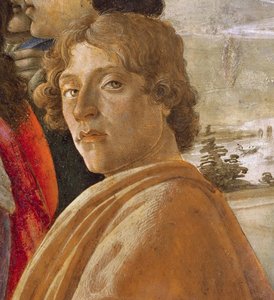
Sandro Botticelli
1445 - 1510 , Italien
Eckdaten zum Künstler
- Beeinflusste Künstler: ['Präraffaeliten']
- Bemerkenswerte Werke:
- Die Geburt der Venus
- Primavera
- Mystische Geburt
- Einflussreiche Künstler:
- Fra Angelico
- Paolo Uccello
- Geburtsdatum: ca. 1445
- Geburtsort: Florenz, Italien
- Künstlerische Bewegung: Frührenaissance
- Nationalität: Italienisch
- Sterbedatum: 1510
- Vollständiger Name: Sandro Botticelli
Verwandte Artikel

Transform Your Walls: Top Trending Mural Styles from Botanical Jungles to Gold Leaf Geometry
Elevate your hospitality projects with our expert trend forecast on luxury mural styles. From biophilic botanical jungles to sophisticated gold leaf geometry, discover how bespoke architectural art transforms hotel interiors into immersive, high-end experiences.
Maximizing Small Spaces: A Professional Guide to High-Impact Art Reproductions for Studio Apartments
Master small space design with high-impact art reproductions. Learn how professional decorators use scale, texture, and multi-panel layouts to transform studio apartments into expansive, sophisticated environments using premium hand-painted oils and modern geometric wall art.

Italian Renaissance Art: A Procurement Guide to Timeless Masterpieces for High-End Hotel Interiors
A professional procurement guide for hotel designers seeking Italian Renaissance masterpieces. Discover how to utilize chiaroscuro, custom oil reproductions, and large-scale murals to elevate hospitality interiors with timeless, high-impact classical art.


