


 In echtem Maßstab anzeigen
 Versenden als Grußkarte
 Teilen
 Details anzeigen
 Leitfaden

 Herunterladen
 Ähnliche Objekte
 Röntgenaufnahme
 Diashow
 Besucherstatistiken
The Judgment of Paris
 Oil On Board
- Fauvism
 1909
1909- 19th Century
 149.0 x 121.0 cm
 Nationalgalerie Dänemark
 Mehr anzeigen
Handgefertigte Ölreproduktion
Handgemaltes Ölgemälde auf Leinwand in Ihrer Wunschgröße und mit Rahmen, auf Bestellung von unseren Künstlern angefertigt. ( Zum Druck wechseln Zum digitalen Bild wechseln)




P118B $10

P118H $10

P118W $10

P438Z $10

P508JH $12

P508YH $12

P805H $10

P805Z $10

P919BZ $10

P919G $10

P919XJ $10

P959ZH $10

P968JZ $12

W106C $8

W218G $10

W218JH $8

W218Y $10

W307PJ $10

W316G $10

W316PJ $8

W316Y $10

W398PJ $8

W4111J $10

W500HY $15

W500JH $15

W692G $12

W849H $8

W940BG $15

W953PJ $8




Wählen Sie aus unseren vordefinierten Formaten, die den ursprünglichen Proportionen des Kunstwerks entsprechen.

Sie können Ihre eigenen Maße eingeben, um einen bestimmten Rahmen oder Platz auszufüllen. Wenn die gewählte Größe nicht den Proportionen des Originalbildes entspricht, werden wir das Kunstwerk entweder beschneiden oder das Gemälde durch zusätzliche, handgemalte Elemente erweitern. Ein digitales Mockup wird Ihnen zur Genehmigung zugesandt, bevor die Produktion beginnt.
Bitte beachten Sie, dass die Bildschirmvorschau nicht die tatsächliche Beschneidung oder Erweiterung widerspiegelt. Nur das Mockup zeigt die endgültige Komposition exakt an.
Obwohl Sondermaße verfügbar sind, empfehlen wir, eine Größe aus der vordefinierten Liste zu wählen, um die ursprünglichen Proportionen beizubehalten.
Nach der Bestellung wird das AllPaintingsStore.com-Team dem Kunden Anweisungen per E-Mail zusenden und eine Mockup-Vorschau bereitstellen.
Weltweiter Versand () in nur 3 bis 4 Wochen statt der üblichen 5 Wochen. (22 September). Keine Kompromisse bei der Qualität.

Kostenloser weltweiter Expressversand

Hochwertige Leinenleinwand

Vollständiger Versicherungsschutz beim Versand

Zollgebühren-Rückerstattungsgarantie

Garantie für exakte Farbtreue

100-tägiges Rückgaberecht (nur bei Mängeln)

100% Geld-zurück-Garantie

Angebot für Mengenrabatt
 Die Glasoption ist nur für Größen unter 110 cm verfügbar.

The Judgment of Paris
Reproduktionsmedium
Format der Reproduktion
-


Gesamtpreis
$ 258
Harald Giersing’s *The Judgment of Paris*: A Study in Modernist Ambiguity
Harald Giersing's 1909 painting, *The Judgment of Paris*, is a captivating enigma that transcends its mythological subject matter. Measuring 149 x 121 cm, this oil on board offers a potent glimpse into the burgeoning currents of classic modernism within early 20th-century Denmark. Initially inspired by the story of Prince Paris’s fateful decision – choosing Aphrodite over Hera and Athena – Giersing ultimately presents a scene far more complex than a simple narrative. The painting's power resides not in its adherence to classical storytelling, but in its exploration of artistic process itself, presenting a studio tableau that subtly questions the very nature of representation.
- Composition and Form: The arrangement of the figures – three nude women and a seated man – is deliberately unsettling. Giersing employs broad, dark blue outlines, a characteristic technique evident in works like *Forest Path Sorø*, to define the forms with an almost brutal clarity. This emphasis on outline contributes to a sense of disorientation, challenging traditional notions of perspective and proportion. The figures themselves are rendered with a simplified, almost schematic quality, hinting at a deliberate rejection of naturalistic representation.
- Color Palette: The dominant use of deep blues and blacks creates an atmosphere of both drama and isolation. These cool tones contrast sharply with the pale flesh of the women, further emphasizing their vulnerability and drawing attention to the act of observation. The limited color palette reinforces the painting’s focus on formal elements rather than narrative detail.
Symbolism and Interpretation
While ostensibly depicting a mythological scene, *The Judgment of Paris* is ripe with symbolic ambiguity. The setting – a room furnished with a chair, couch, and dining table – suggests a studio environment, prompting the viewer to consider the roles of artist, model, and observer. The women’s poses, seemingly engaged in conversation with the seated man, could be interpreted as a representation of the creative process itself: the artist seeking inspiration from his subjects, or perhaps a commentary on the objectification of beauty within the art world.
Giersing's early influences – Gauguin, Manet, and Cézanne – are palpable in his approach. However, by 1907, he was actively engaging with the emerging Fauvist movement, evident in his experimentation with bold colors and simplified forms. This synthesis of influences creates a work that is both rooted in tradition and boldly forward-looking.
Technique and Historical Context
Giersing’s technique demonstrates a masterful command of oil paint, particularly in the application of broad strokes and the creation of strong outlines. The painting's surface is textured with visible brushwork, adding to its dynamic quality. Created in 1909, *The Judgment of Paris* represents a pivotal moment in Giersing’s career, marking his transition towards classic modernism – a movement that sought to reconcile classical ideals with the anxieties and uncertainties of the modern age.
This work reflects the broader artistic climate of the time, where artists were grappling with questions of identity, representation, and the role of art in society. Giersing’s willingness to challenge conventional narrative structures and embrace formal experimentation paved the way for future generations of modernist painters.
Emotional Impact and Collectible Value
*The Judgment of Paris* is more than just a beautiful painting; it's a profound meditation on artistic creation, beauty, and human interaction. Its unsettling composition, evocative color palette, and ambiguous symbolism invite viewers to engage in a dialogue with the artwork on multiple levels. As a significant work by a pioneering figure in Danish modernism, this piece holds considerable historical and aesthetic value, making it a compelling addition to any discerning collection. Its size (149 x 121 cm) ensures it will make a statement within a variety of interior design settings.
Ähnliche Kunstwerke


Biografie des Künstlers
Frühes Leben und Ausbildung
Harald Giersing, ein bedeutender dänischer Maler, wurde am 24. April 1881 in Kopenhagen, Dänemark, geboren. Seine künstlerische Reise begann an der Königlichen Dänischen Akademie der Schönen Künste. Diese fundierte Ausbildung legte den Grundstein für seine spätere Entwicklung zu einer wegweisenden Figur des klassischen Modernismus.Künstlerische Evolution und Einflüsse
Giersings Frühwerk war geprägt von dem tiefen Wunsch, Wandel und Schönheit einzufangen – getrieben von einem existenziellen Ansatz, der darauf abzielte, die Leere zu füllen, die durch das schwindende Vertrauen in Gott entstanden war. Während er sich anfangs von den Werken Paul Gauguins angezogen fühlte, fand er bald Inspiration in den Arbeiten von Édouard Manet, Paul Cézanne und dem Neo-Impressionisten Paul Signac. Gegen 1907 begann er, ein starkes Interesse an den Fauvisten zu zeigen, darunter André Derain, Othon Friesz, Henri Manguin, Albert Marquet und Georges Braque.Bedeutende Werke und Stil
Schlüsselwerke:- Das Urteil des Paris (1909) – charakterisiert durch breite, dunkelblaue Umrisse und eine spannungsvolle, fast verwirrende Proportionierung.
- Waldweg Sorø (1916) – ein meisterhaftes Waldwerk, das einen wilderen, spontaneren Stil offenbart.
- Furesø-Bilder ab 1918 – weite Landschaften, die seine Position innerhalb der dänischen Moderne festigten.
Vermächtnis und Vereinigungen
Unzufrieden mit dem mangelnden Erfolg von Ung Dansk Kunst (Junge dänische Kunst), gründete Giersing 1914 die neue Vereinigung „Grønningen“, in der er eine führende Rolle übernahm. Dieser Schritt spiegelte nicht nur sein Engagement für Innovation wider, sondern unterstrich auch seinen maßgeblichen Einfluss auf die dänische Kunstszene.Museen und Sammlungen
Giersings Werke sind in verschiedenen Museen zu finden, darunter die Hirschsprung-Sammlung in Kopenhagen, ein absolutes Muss für jeden Liebhaber dänischer Kunst. Für weitere Informationen über Giersings Leben und Werk besuchen Sie bitte [https://AllPaintingsStore.com/@/harald-giersing](https://AllPaintingsStore.com/@/harald-giersing) und entdecken Sie die umfangreiche Sammlung seiner Gemälde unter /de/art/show/art-d3b7cd-de/Wichtige Daten:
- Geboren: 24. April 1881
- Gestorben: 15. Januar 1927
Zentrale Epoche: Klassischer Modernismus in Dänemark um 1910–1920.
Besondere Erwähnung: Er wird als einer der bedeutendsten dänischen Künstler des 20. Jahrhunderts für seine Porträts und Landschaften in Erinnerung behalten.

Harald Giersing
1881 - 1927 , Dänemark
Eckdaten zum Künstler
- Artistic Movement Or Style: Classic Modernismus
- Artists Or Movements Influenced By This Artist: ['Vilhelm Lundstrøm']
- Artists Who Influenced This Artist:
- Paul Gauguin
- Édouard Manet
- Paul Cézanne
- Date Of Birth: April 24, 1881
- Date Of Death: January 15, 1927
- Full Name: Harald Giersing
- Nationality: Dänisch
- Notable Artworks:
- Das Urteil des Pariser Krieges
- Waldweg Sorø
- Place Of Birth: Kopenhagen, Dänemark
Verwandte Artikel
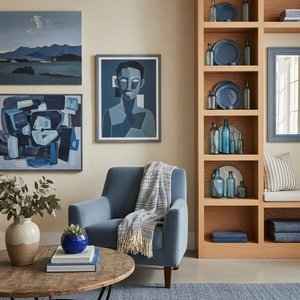
Die Top 10 Gemälde in Schattierungen von 'Slate Blue': Kunst für Ihr Zuhause
Entdecken Sie die Top 10 Gemälde in faszinierenden 'Slate Blue' Tönen! Von Monet bis Manet – erleben Sie Kunstgeschichte und lassen Sie sich von Meisterwerken inspirieren. Hochwertige Kunstdrucke auf

The Eloquent Form: A Historical & Aesthetic Exploration of the Nude in Art
Explore the captivating history of the nude in art! From ancient Greece to modern masters, discover its evolving symbolism, techniques & enduring beauty. Expert insights for collectors and enthusiasts.

The Enduring Allure of the Nude: A Historical & Artistic Exploration of the Human Form
Explore the captivating history of nude art! Discover iconic paintings & artists from classical to modern eras. Uncover symbolism, techniques & find museum-quality reproductions at AllPaintingsStore.

Azure Visions: Exploring Representations of the Blue Dress in Western Art History
Explore the rich history of the blue dress in Western art! Discover its symbolism, from Renaissance masterpieces to modern interpretations by artists like Martin & Schiele. Uncover cultural meanings and artistic techniques.

The Allure of Azure: Exploring the Symbolic & Aesthetic Depths of Blue in Art History
Explore the rich history of blue in art! Discover its symbolism, from ancient pigments to modern masterpieces by Kandinsky & Seurat. Uncover the psychological impact and cultural meanings behind this captivating hue.

