

Tubism · 1952
Wall Composition (Φερνάν Λεζέ, 1952)
Wall Composition is a work by Φερνάν Λεζέ (1881–1955). It dates from 1952. It belongs to the Tubism movement. It is made in Acrylic On Paper. It measures 77 × 41 cm.
- 1952
- Acrylic On Paper
- 77 × 41 cm

 Προεπισκόπηση σε πραγματική κλίμακα

 Εκτύπωση
 Αποστολή
 Κοινοποίηση
 Οδηγός


 Λήψη
 Παρόμοια αντικείμενα συλλογής
 Ακτινογραφία
 Παρουσίαση
 Ερωτήσεις & Απαντήσεις

 Στατιστικά
Wall Composition: key details
- Title
- Wall Composition
- Artist
- Φερνάν Λεζέ (1881–1955)
- Artist born in
- Αρζαντάν, Γαλλία
- Date
- 1952
- Medium
- Acrylic On Paper
- Dimensions
- 77 × 41 cm
- Movement
- Tubism
- Period
- High Medieval
- Subject
- abstract dog, geometric art, black and white, graphic style, modern design, stylized figure
About Wall Composition
A Dynamic Vision of Modernity: Fernand Léger’s *Wall Composition*
Fernand Léger's *Wall Composition* (1952) is a striking example of his mature style – a bold and energetic exploration of form, line, and the machine age aesthetic that defined much of 20th-century art. Measuring 77 x 41 cm, this black and white work presents a stylized depiction of a dog, rendered with a graphic intensity that feels both playful and powerfully modern.Stylistic Roots: Tubism & Beyond
Léger is renowned for developing “Tubism,” a distinct offshoot of Cubism characterized by its emphasis on cylindrical, machine-like forms. While *Wall Composition* doesn’t showcase the vibrant color palettes often associated with his earlier work, it undeniably embodies the core principles of Tubism: simplification, geometric abstraction, and a celebration of industrial aesthetics. The flattened perspective and fragmented composition further demonstrate Léger's departure from traditional representational art. This piece feels like a direct descendant of his investigations into the ‘mechanical’ – not in depicting machines themselves, but in applying their logic of construction to organic forms.Technique & Materials
Executed primarily in pen and ink, with potential additions of graphite for shading, *Wall Composition* reveals Léger's masterful control of line weight and texture. The varying thickness of the lines creates a dynamic interplay between positive and negative space, contributing to the artwork’s energetic feel. The technique suggests a deliberate roughness, perhaps achieved through dry brush methods, adding depth and visual interest. While appearing deceptively simple, the work demonstrates a sophisticated understanding of graphic design principles.Historical Context: Post-War Reflections
Created in 1952, *Wall Composition* emerges from the post-World War II landscape. Léger, having experienced both World Wars firsthand, increasingly focused on themes of rebuilding and renewal. While not explicitly referencing wartime trauma, the work’s robust forms and assertive lines can be interpreted as a statement of resilience and forward momentum. The choice of a domestic animal – a dog – as the subject matter suggests a return to everyday life and simple pleasures after years of conflict.Subject & Interpretation
The abstracted depiction of the dog is key to understanding Léger’s intent. He wasn't aiming for photorealistic representation; instead, he sought to distill the *essence* of the animal – its energy, form, and presence – into a purely visual language. The asymmetrical composition and diagonal lines create a sense of movement and dynamism, as if the dog is actively engaged with its surroundings. There’s an inherent joyfulness in the work, despite its stark black and white palette.Emotional Impact & Aesthetic Appeal
*Wall Composition* possesses a unique ability to evoke both a sense of playful energy and intellectual engagement. Its bold graphic style makes it particularly well-suited for modern interiors, adding a touch of sophisticated dynamism to any space. The work’s simplicity is deceptive; the more one looks, the more nuances and complexities reveal themselves. It's a piece that rewards close observation and invites ongoing interpretation – a testament to Léger’s enduring artistic vision.Collecting & Reproduction
This artwork represents a pivotal moment in Léger’s career, showcasing his continued evolution of Tubism. High-quality reproductions capture the essence of its dynamic lines and graphic power, making it an accessible addition for art enthusiasts and interior designers alike. Its enduring appeal lies in its ability to bridge the gap between abstraction and representation, offering a compelling visual statement that resonates with contemporary audiences.Wall Composition: image files
Φερνάν Λεζέ, Wall Composition (1952). Public domain.
A digital expert checks the colors against the original painting and retouches the file, faithful to the artist's brushwork.
Buy the high-resolution imageQuestions about Wall Composition
Πού συνιστάται να τοποθετηθεί το έργο "Wall Composition" στο format Portrait;
Το σχήμα Portrait του έργου "Wall Composition" του Φερνάν Λεζέ προτείνεται για έναν/μια Living Room. Το σχήμα και ο χώρος καθοδηγούν μαζί την τοποθέτηση μιας αναπαραγωγής.
Πού μπορώ να βρω χειροποίητα αντίγραφα του "Wall Composition" του Φερνάν Λεζέ;
Το έργο "Wall Composition" είναι διαθέσιμο ως αναπαραγωγή με ζωγραφισμένο με λάδι σε καμβά λινου. Μπορείτε να πραγματοποιήσετε την παραγγελία σας στη σελίδα Αντιγραφή με Χειρόχειρο Ζωγράφισμα, επιλέγοντας το επιθυμητό μέγεθος.
Τα χρώματα του έργου "Wall Composition" του Φερνάν Λεζέ είναι έντονα ή θαμπά;
Το χρώμα του έργου "Wall Composition" παρουσιάζει κορεσμό Muted και ένταση Monochromatic.
Πώς συνδυάζονται η αντίθεση και η αρμονία στο "Wall Composition";
Η χρωματική ανάλυση του έργου "Wall Composition" του Φερνάν Λεζέ αποτυπώνει μια Statement αντίθεση και μια Unified Palette αρμονία.
Προς ποιο καλλιτεχνικό ρεύμα ανήκει το έργο "Wall Composition" του Φερνάν Λεζέ;
Το έργο "Wall Composition" του Φερνάν Λεζέ ανήκει στο καλλιτεχνικό κίνημα Tubism. Αυτό το κίνημα παρέχει το στυλιστικό πλαίσιο του έργου.
Ποια είναι η τεχνική και οι διαστάσεις του έργου "Wall Composition" του Φερνάν Λεζέ;
Η τεχνική του έργου "Wall Composition" του Φερνάν Λεζέ είναι Acrylic On Paper, ενώ οι καταγεγραμμένες διαστάσεις του είναι 77 x 41 cm.
Το έργο "Wall Composition" του Φερνάν Λεζέ είναι πορτρέτο, τοπίο ή τετράγωνη σύνθεση;
Το έργο "Wall Composition" του Φερνάν Λεζέ έχει μορφή Portrait. Η μορφή περιγράφει τις αναλογίες της σύνθεσης.
Πώς μπορώ να κατεβάσω την εικόνα του έργου "Wall Composition" του Φερνάν Λεζέ;
Η λήψη είναι διαθέσιμη για το "Wall Composition": στη σελίδα Λήψη ψηφιακού αρχείου του έργου μπορείτε να κάνετε λήψη ψηφιακής εικόνας υψηλής ανάλυσης.
Πόσο έντονη είναι η αντίθεση στο έργο "Wall Composition" του Φερνάν Λεζέ;
Το έργο "Wall Composition" του Φερνάν Λεζέ παρουσιάζει μια Statement αντίθεση μεταξύ των φωτεινών και των σκιοπαραγωγού του περιοχών.
About Φερνάν Λεζέ
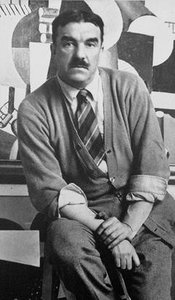
1881–1955, Γαλλία
Φερνάν Λεζέ
The Life of Fernand Léger The story of Fernand Léger begins in the village of Argentan, located in the Orne region of Lower Normandy. He arrived into this world on February 4, 1881, as an only son. His early years were shaped by the quietude of the French countryside and the presence of his mother, Marie-Adèle Daunou. His father, a man who made his living as a cattle dealer, passed away when Fernand was still a young boy, leaving the child to be raised by his mother in a household marked by her piety and a certain self-effacing nature.
Other works by Φερνάν Λεζέ
 Η Πόλη1919
 Ο Μηχανικός1920
 Τρεις Γυναίκες1921
 Νάνοι στην Πορεία1910
Articles on Wall Composition
 10 Iconic Artworks That Define the 'Trendy' Vibe: From Warhol to LichtensteinDiscover iconic Pop Art by Warhol and Lichtenstein. Explore the trends defining modern style. Explore the full collection online at AllPain…
 Βιομηχανική Ατμόσφαιρα στην Τέχνη: 10 Έργα που Μας Εμπνέουν | AllPaintingsStore.grΑνακαλύψτε 10 εμβληματικούς πίνακες που αποτυπώνουν την ατμόσφαιρα της βιομηχανικής επανάστασης. Courbet, Manet & άλλοι μεγάλοι ζωγράφοι. Β…
 Mastering the Machine Age: The Top 25 Fernand Léger ArtworksImmerse yourself in the vibrant world of Fernand Léger. Explore 25 iconic Cubist masterpieces, from bold Tubism to machine-age aesthetics. …