

- Inicio

- Impresión en lienzo
- Giuseppe Bonito
- Immaculate Conception

 Preview
 Enviar
 Compartir
 Detalles

 Descargar
 Similares
 Radiografía
 Presentación de diapositivas
Immaculate Conception
 Baroque
 111.0 x 78.0 cm
 Ver más
Giclée / Impresión de arte
Impresión giclée o en lienzo de calidad de museo con producción rápida y opciones de acabado flexibles. ( Switch to hand made Painting Switch to Image)




































Elija entre nuestros tamaños predefinidos que respetan las proporciones originales de la obra.

Puede introducir sus propias dimensiones para adaptarse a un marco o espacio específico. Si el tamaño seleccionado no coincide con las proporciones de la imagen original, recortaremos la obra de arte o extenderemos la imagen con un borde con efecto espejo o de color sólido. Se enviará una maqueta digital para su aprobación antes de que comience la producción.
Tenga en cuenta que la vista previa en pantalla no refleja el recorte o la extensión real. Solo la maqueta mostrará con precisión la composición final.
Aunque existen tamaños personalizados, recomendamos seleccionar una dimensión de la lista predefinida para preservar las proporciones originales.
Entrega mundial () en 2 semanas en lugar de las 4/5 semanas estándar. (28 julio)

Envío exprés gratuito a todo el mundo

Lienzo de lino de alta calidad

Seguro de envío total

Garantía de reembolso de impuestos aduaneros

Garantía de fidelidad de color

Política de devolución de 60 días (solo por defectos)

Garantía de devolución del 100% del dinero

Descuento por pedido múltiple
 La opción de vidrio solo está disponible en tamaños inferiores a 110 cm.

Immaculate Conception
Giclée / Impresión de arte
Tamaño de la reproducción
-


Precio total final
$ 64
Obras similares




Biografía del artista
Giuseppe Bonito: A Neapolitan Rococo Visionary
Giuseppe Bonito (1707-1789) stands as a prominent figure in the vibrant artistic landscape of Naples during the Rococo period, leaving an indelible mark on Italian painting and particularly genre depictions. While his name might not resonate with contemporary audiences as loudly as some Baroque titans, Bonito’s meticulous observation of urban life and theatrical flair—expressed through captivating canvases—offer a glimpse into the cultural milieu of 18th-century Campania.Early Life and Artistic Formation
Born in Castellammare di Stabia, Bonito's artistic journey began under the tutelage of Francesco Solimena, arguably Naples’ most celebrated painter of his time. Solimena’s studio served as a crucible for talent, fostering an environment where young artists honed their skills alongside established masters. Notably, Bonito shared this formative experience with Gaspare Traversi, another influential artist who would later become embroiled in attribution disputes regarding Bonito's oeuvre. This collaborative relationship underscores the prevailing artistic currents of the era and highlights Bonito’s immersion within a dynamic creative community. Solimena instilled in Bonito a profound appreciation for chiaroscuro—the dramatic interplay of light and shadow—a technique that would characterize Bonito’s distinctive style, subtly diverging from Solimena's more assertive approach.Court Patronage and Artistic Output
Bonito swiftly ascended to prominence thanks to royal patronage—specifically from the Bourbon monarchs who ruled Naples and Spain. Between 1736 and 1742, he served as court painter for Maria Amalia of Saxony, wife of Charles VII, capturing portraits that exemplify the elegance and sophistication of the Habsburg-Bourbon court. These commissions demanded an exceptional level of artistic skill and sensitivity, reflecting Bonito’s ability to convey both physical likeness and psychological nuance. Beyond royal portraits, Bonito produced striking depictions of theatrical performances featuring commedia dell’arte figures—a tradition deeply rooted in Neapolitan culture—demonstrating his keen understanding of popular entertainment and visual storytelling. His meticulous attention to detail—capturing the costumes, gestures, and expressions of the performers—transformed these scenes into vibrant narratives that resonated with audiences of the time. Furthermore, he undertook ambitious projects like the altarpiece commissioned for Caserta Royal Palace, showcasing his mastery of Baroque techniques and reflecting the grandeur of Bourbon ambition.Style and Technique
Bonito’s artistic style is characterized by a delicate balance between observation and embellishment. He meticulously rendered urban scenes—often bustling marketplaces or lively squares—infused with details that captured the spirit of Naples. However, Bonito wasn't merely documenting reality; he skillfully employed Rococo conventions – pastel hues, asymmetrical compositions, and ornate ornamentation – to heighten emotional impact and create an atmosphere of refined pleasure. His brushwork is precise yet expressive, conveying movement and texture with remarkable subtlety. The influence of Solimena’s studio is palpable in Bonito’s approach, emphasizing naturalism tempered by artistic license. He skillfully blended chiaroscuro with luminous color palettes, creating canvases that shimmered with vibrancy while maintaining a sense of dramatic depth.Legacy and Attribution Disputes
Bonito’s legacy resides primarily in his prolific output of genre paintings—particularly those depicting scenes from commedia dell’arte—which offer invaluable insights into Neapolitan society and theatrical traditions. These works stand as testament to Bonito's ability to transform everyday life into captivating visual narratives, capturing the dynamism and humor of Naples’ popular culture. Despite ongoing debates regarding attribution—with many canvases initially attributed to Gaspare Traversi—Bonito remains a significant contributor to Neapolitan Rococo art, securing his place as an artist who skillfully blended observation and embellishment to create enduring images of his time. His contribution to the artistic heritage of Campania is undeniable, ensuring that Giuseppe Bonito’s name will endure as a symbol of Naples' vibrant cultural past.
Giuseppe Bonito
1707 - 1789 , Italia
Datos clave
- Artistic Movement Or Style: Rococó
- Artists Or Movements Influenced By This Artist: ["Commedia dell'arte"]
- Artists Who Influenced This Artist: ['Francesco Solimena']
- Date Of Birth: 1707
- Date Of Death: 1789
- Full Name: Giuseppe Bonito
- Nationality: Italiano
- Notable Artworks:
- La Escuela de Atenas
- El Bibliotecario
- El Fuego
- Place Of Birth: Castellammare di Stabia, Italia
Artículos relacionados
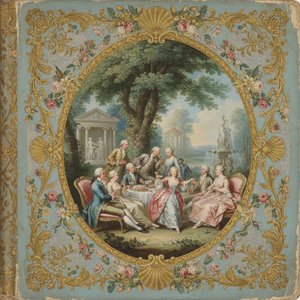
The Rococo Style: Aristocratic Leisure & the Pursuit of Delight in 18th-Century Art
Explore the opulent world of Rococo art! Discover Watteau, Boucher & Nattier's masterpieces. Expert insights for collectors seeking museum-quality reproductions and custom portraits at AllPaintingsStore.

Reflections of Power: Aristocratic Life in Western Art & the Rococo Era
Explore the captivating world of aristocratic life through Western art history. Discover Rococo masterpieces & portraits of European nobility. Expert insights for collectors and enthusiasts.
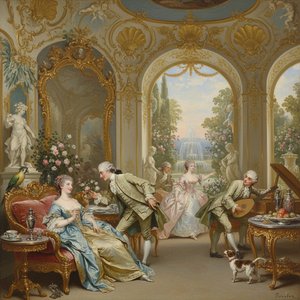
La Estética Rococó: Opulencia, Rebelión y Placer en el Arte del Siglo XVIII
Descubre la fascinante estética rococó: su historia, características clave y los artistas más influyentes del siglo XVIII. Un análisis profundo para amantes del arte y coleccionistas.

Armonizando Hues y Historias: Una Guía Integral para Combinar Reproducciones de Arte con Estilos de Diseño Interior
Guía experta para combinar reproducciones de arte con su estilo. Encuentre la obra perfecta y transforme su hogar con AllPaintingsStore. Calidad, asesoramiento personalizado y envío a todo el mundo.

Pietro da Cortona: Baroque Grandeur & the Synthesis of Roman Painting
Explore the life & masterpieces of Pietro da Cortona, a defining figure of the Italian Baroque. Discover his stunning frescoes at Palazzo Barberini and lasting influence on Roman art history. Learn more with AllPaintingsStore.



