- Inicio

- Impresión en lienzo
- James Ensor
- Bouquet d'Arbres

 Preview
 Enviar
 Compartir
 Detalles

 Descargar
 Similares
 Radiografía
 Presentación de diapositivas
Bouquet d'Arbres

 Ver más
Giclée / Impresión de arte
Impresión giclée o en lienzo de calidad de museo con producción rápida y opciones de acabado flexibles. ( Switch to hand made Painting Switch to Image)




P118B $10

P118H $10

P118W $10

P438Z $10

P508JH $12

P508YH $12

P805H $10

P805Z $10

P919BZ $10

P919G $10

P919XJ $10

P959ZH $10

P968JZ $12

W106C $8

W218G $10

W218JH $8

W218Y $10

W307PJ $10

W316G $10

W316PJ $8

W316Y $10

W398PJ $8

W4111J $10

W500HY $15

W500JH $15

W692G $12

W849H $8

W940BG $15

W953PJ $8




Elija entre nuestros tamaños predefinidos que respetan las proporciones originales de la obra.

Puede introducir sus propias dimensiones para adaptarse a un marco o espacio específico. Si el tamaño seleccionado no coincide con las proporciones de la imagen original, recortaremos la obra de arte o extenderemos la imagen con un borde con efecto espejo o de color sólido. Se enviará una maqueta digital para su aprobación antes de que comience la producción.
Tenga en cuenta que la vista previa en pantalla no refleja el recorte o la extensión real. Solo la maqueta mostrará con precisión la composición final.
Aunque existen tamaños personalizados, recomendamos seleccionar una dimensión de la lista predefinida para preservar las proporciones originales.
Entrega mundial () en 2 semanas en lugar de las 4/5 semanas estándar. (29 julio)

Envío exprés gratuito a todo el mundo

Lienzo de lino de alta calidad

Seguro de envío total

Garantía de reembolso de impuestos aduaneros

Garantía de fidelidad de color

Política de devolución de 60 días (solo por defectos)

Garantía de devolución del 100% del dinero

Descuento por pedido múltiple
 La opción de vidrio solo está disponible en tamaños inferiores a 110 cm.

Bouquet d'Arbres
Giclée / Impresión de arte
Tamaño de la reproducción
-


Precio total final
$ 64
Descripción de la obra
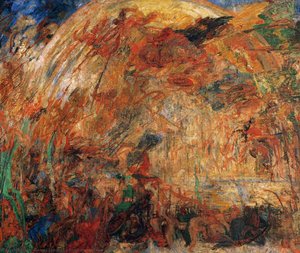
A Descent into Shadow and Spectacle: James Ensor’s *Bouquet d'Arbres*
James Ensor’s *Bouquet d'Arbres*, painted in 1888, isn’t merely a depiction of trees; it’s a carefully constructed descent into a realm of melancholic beauty and unsettling symbolism. Born amidst the vibrant chaos of Ostend’s seaside resort town – a place that profoundly shaped his artistic sensibility – Ensor sought to capture not just the visual reality of the landscape, but also its emotional resonance. The painting immediately confronts the viewer with an arresting austerity: bare branches silhouetted against a muted sky, evoking a sense of profound stillness and almost unbearable quietude. This starkness is deliberately contrasted by the single, perched bird, a tiny spark of life amidst the desolate scene – a poignant reminder of vulnerability and resilience within a seemingly barren world. The absence of leaves isn’t accidental; it speaks to a deeper thematic concern with mortality, decay, and perhaps even the loss of innocence.The Roots of Ensor's Vision: Masks, Carnival, and Belgian Identity
Ensor’s artistic journey was inextricably linked to his upbringing in Ostend, a town renowned for its annual carnival celebrations. His parents operated a souvenir shop brimming with exotic masks, theatrical props, and curiosities – a veritable treasure trove that ignited his imagination and provided him with an unparalleled visual vocabulary. These objects, particularly the masks themselves, became recurring motifs in his work, representing disguise, deception, and the hidden layers beneath outward appearances. *Bouquet d'Arbres* can be seen as a distilled reflection of this fascination; the trees become symbolic representations of faces, while the bird embodies a fragile spirit navigating an oppressive environment. Furthermore, Ensor’s dual heritage – his English father and Belgian mother – contributed to his unique perspective, fostering a sense of cultural ambiguity that informed his often unsettling and psychologically complex imagery.Technique and Atmosphere: A Masterclass in Expressive Color and Texture
The painting's monochrome palette—a carefully chosen blend of blacks, whites, and grays—amplifies the somber mood and emphasizes the textural qualities of the paint. Ensor employed a thick impasto technique, building up layers of pigment to create a tactile surface that invites close examination. Notice how he uses varying brushstrokes to suggest the rough bark of the trees, the delicate curve of the branches, and the subtle contours of the bird’s plumage. The lack of vibrant color forces the viewer to focus on these details, heightening the sense of isolation and emphasizing the painting's inherent drama. The composition itself is carefully considered; the placement of the trees creates a strong diagonal line that draws the eye into the distance, while the solitary bird anchors the scene with its presence.Symbolism and Interpretation: A Portrait of Existential Melancholy
Beyond its immediate visual impact, *Bouquet d'Arbres* resonates with profound symbolic weight. The barren landscape can be interpreted as a metaphor for loss, grief, or perhaps even the anxieties of modernity. The bird’s presence suggests hope amidst despair, but also hints at vulnerability and the precariousness of existence. Some scholars have linked the painting to Ensor’s personal experiences during a period of emotional turmoil, while others see it as a broader commentary on the human condition. The stark simplicity of the scene invites multiple interpretations, making *Bouquet d'Arbres* a deeply rewarding work for those willing to engage with its complex layers of meaning. It is a painting that lingers in the mind long after viewing, prompting reflection on themes of mortality, isolation, and the enduring power of beauty within darkness.Obras similares




Biografía del artista
vida temprana y trayectoria artística
James Sidney Edouard, Baron Ensor, un destacado pintor y grabador belga, nació el 13 de abril de 1860 en Ostend, Bélgica. Su vida temprana estuvo marcada por un trasfondo cultural diverso, con un padre inglés, James Frederic Ensor, y una madre belga, María Caterina Haegheman. Falta de interés en los estudios académicos tradicionales, Ensor abandonó la escuela a los quince años para dedicarse al arte, recibiendo formación con pintores locales y posteriormente estudiando en la Academia Real de Bellas Artes en Bruselas.Estilo artístico y temas
El estilo artístico de Ensor se caracterizó por su exploración de la mente inconsciente e imágenes oníricas, lo que influyó significativamente en el expresionismo y el surrealismo. Sus pinturas a menudo presentaban asuntos extraños, incluyendo carnavales, máscaras, teatro de marionetas, esqueletos y alegorías fantásticas. Obras notables incluyen Las Máscaras Escandalizadas (1883) y Esqueletos luchando por un ahorcado (1891), que muestran su mezcla única de lo grotesco y lo fantástico.Reconocimiento y legado
A pesar de la resistencia inicial, la obra de Ensor ganó gradualmente aceptación y elogios. Para 1920, era el tema de importantes exposiciones; en 1929, fue nombrado barón por el rey Alberto, y en 1933, recibió la Legión de Honor. Su legado como figura pionera en el arte moderno es evidente en su influencia en movimientos artísticos posteriores, incluyendo el expresionismo y el surrealismo.Obras clave y exposiciones
* La Intriga (90 x 150 cm, Museo Real de Bellas Artes, Amberes, Bélgica) * Tribulaciones de San Antonio (1887, ahora en la colección del Museo de Arte Moderno, Nueva York)- Descubra más sobre la vida y obra de James Ensor en AllPaintingsStore: James Ensor
- Explore el Museo Mu.Zee en Ostend, Bélgica, que presenta una colección de arte belga desde 1830 en AllPaintingsStore: Descubra el Museo Mu.Zee en Ostend, Bélgica
- Aprenda más sobre la pintura simbolista y su influencia en el expresionismo y el surrealismo en Wikipedia: Pintura Simbolista
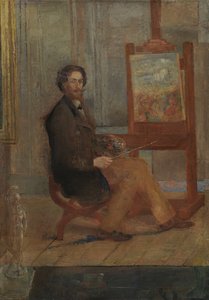
James Ensor
1860 - 1949 , Bélgica
Datos clave
- Artistas Influenciados Por Este Artista:
- Expresionismo
- Surrealismo
- Artistas Que Influyeron:
- Pieter Bruegel el Viejo
- Francisco Goya
- Fecha De Muerte: 19 de noviembre de 1949
- Fecha De Nacimiento: 13 de abril de 1860
- Lugar De Nacimiento: Ostend, Bélgica
- Movimiento Artístico: Expresionismo, Surrealismo
- Nacionalidad: Belga
- Nombre Completo: James Ensor
- Obras Notables:
- Las Máscaras Escandalizadas
- Esqueletos luchando
- Tribulaciones de San Antonio
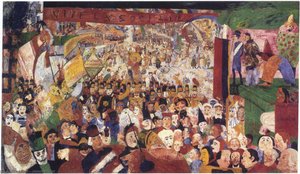
- Cristo entrando en Bruselas
Artículos relacionados

La Sutileza del Neutro: Explorando la Abstracción en Blanco y Negro para una Arquitectura Moderna Elevada
Descubre cómo la abstracción en blanco y negro eleva el diseño arquitectónico moderno. Expertos revelan secretos de iluminación, materiales y minimalismo para espacios sofisticados y atemporales.

James Ensor's Grotesque Visions: Social Commentary & Artistic Innovation
Explore the unsettling yet captivating world of James Ensor, a pioneer of Expressionism. Discover his satirical masterpieces, symbolic imagery & lasting influence on modern art. High-quality reproductions available at AllPaintingsStore.

Gabor Peterdi: A Legacy of Abstract Expressionism & the Exploration of Light and Form
Explore the powerful work of Gabor Peterdi (1915-2001), a Hungarian-American master of abstract expressionism and intaglio printmaking. Discover his artistic journey, key themes, and lasting influence on American art.
Las 10 Obras Maestras Dominadas por el Negro Marsella: Arte y Decoración
Descubre las 10 pinturas más famosas dominadas por el negro marsella. Explora la historia, técnica y simbolismo de obras maestras del expresionismo alemán, gótico y arte moderno. Reproducciones de museos en .

Monochrome Visions: Exploring the Aesthetic & Historical Significance of Black & White Photography
Explore the rich history & artistic power of black and white photography. From early techniques to iconic masters like Ansel Adams, discover why monochrome continues to captivate art lovers today. Expert insights for collectors.