


 Vista previa
 Compartir
 Compartir
 Ver detalles
 Guía
Guía

 Descargar
 Ver artículos similares
 Radiografía
 Presentación de diapositivas
 Estadísticas
Man sitting beside a window


 Leer más
Giclée / Impresión de arte
Impresiones giclée o en lienzo de calidad de museo con producción rápida y opciones de acabado flexibles. ( Encargar reproducción pintada a mano Ver versión en imagen digital)




P118B $10

P118H $10

P118W $10

P438Z $10

P508JH $12

P508YH $12

P805H $10

P805Z $10

P919BZ $10

P919G $10

P919XJ $10

P959ZH $10

P968JZ $12

W106C $8

W218G $10

W218JH $8

W218Y $10

W307PJ $10

W316G $10

W316PJ $8

W316Y $10

W398PJ $8

W4111J $10

W500HY $15

W500JH $15

W692G $12

W849H $8

W940BG $15

W953PJ $8




Elija entre nuestros tamaños predefinidos que respetan las proporciones originales de la obra.

Puede introducir sus propias dimensiones para adaptarse a un marco o espacio específico. Si el tamaño seleccionado no coincide con las proporciones de la imagen original, recortaremos la obra de arte o extenderemos la imagen con un borde con efecto espejo o de color sólido. Se enviará una maqueta digital para su aprobación antes de que comience la producción.
Tenga en cuenta que la vista previa en pantalla no refleja el recorte o la extensión real. Solo la maqueta mostrará con precisión la composición final.
Aunque existen tamaños personalizados, recomendamos seleccionar una dimensión de la lista predefinida para preservar las proporciones originales.
Envío a todo el mundo () en 2 semanas en lugar de las 4/5 semanas estándar. (26 septiembre)

Envío exprés gratuito a todo el mundo

Lienzo de lino de alta calidad

Seguro de envío completo

Garantía de reembolso de impuestos aduaneros

Garantía de fidelidad cromática exacta

Política de devolución de 100 días (solo por defectos)

Garantía de devolución del 100% del dinero

Oferta por volumen
 La opción de vidrio solo está disponible en tamaños inferiores a 110 cm.

Man sitting beside a window
Giclée / Impresión de arte
Tamaño de la reproducción
-


Precio total
$ 64
A Moment of Quietude: The Soul of Duchamp’s Early Mastery
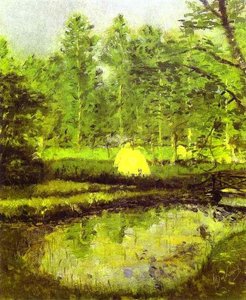
In the vast, often turbulent history of modern art, there exists a rare, fleeting moment where the revolutionary spirit of Marcel Duchamp was still anchored in the serene beauty of the visible world. Man Seated by a Window, painted in 1907, captures this exquisite tension. Before he became the iconoclast who would dismantle the very definition of art through Dada and Readymades, Duchamp was a painter deeply engaged with the sensory delights of his surroundings. This piece invites the viewer into a private sanctuary, presenting a solitary figure lost in thought, framed by the soft light of a window and the vibrant life of blossoming flora. It is not merely a depiction of a man at rest; it is an invitation to pause, to breathe, and to find resonance in the quiet intervals of existence.
The composition functions as a delicate dialogue between the interior and the exterior worlds. As the eye wanders across the canvas, one encounters a masterful use of Post-Impressionist techniques that prioritize emotional atmosphere over rigid anatomical precision. The artist employs loose, gestural brushstrokes that imbue the scene with a sense of living movement—the gentle sway of leaves, the dappled light filtering through the glass, and the soft texture of the man's clothing. This stylistic choice creates a luminous quality, where the muted blues and greens of the background harmonize with warmer, sun-drenched hues from the garden outside, establishing a visual equilibrium that is both soothing and intellectually stimulating.
Technique and the Art of Atmosphere
Executed in oil on canvas, the painting showcases Duchamp’s formidable command over medium and light. The texture of the oil paint allows for a rich layering of color, which lends depth to the shadows within the room and brilliance to the petals of the flowers. For the discerning collector or interior designer, this work offers a sophisticated interplay of tones that can anchor a room with its tranquil energy. Unlike the starker, more clinical works of later modernism, this painting possesses a tactile warmth; it feels inhabited, as if the scent of the garden could drift through the frame. The way the light interacts with the subject suggests a daytime setting filled with the gentle vitality of spring or summer, making it an ideal centerpiece for spaces designed for contemplation and repose.
Beyond its aesthetic charm, the painting serves as a profound historical document. It captures a period of transition in art history, where the boundaries between Impressionism and the burgeoning movements of Cubism were still being negotiated. In this work, we see the seeds of Duchamp’s later philosophical inquiries—the way he uses the window not just as a physical object, but as a metaphorical lens through which we perceive reality. To possess a reproduction of this masterpiece is to hold a piece of the very foundation of modern thought, wrapped in the beautiful, accessible language of classical beauty.
An Inspiration for the Modern Interior
For those looking to curate an environment of elegance and intellectual depth, Man Seated by a Window offers unparalleled versatility. Its palette—a sophisticated blend of organic greens, deep blues, and soft floral accents—complements a wide array of interior styles, from contemporary minimalism to classic European aesthetics. The painting’s ability to evoke a sense of peace makes it a transformative element in a study, a library, or a quiet corner of a living space. It does not demand attention through noise, but rather commands respect through its profound stillness, acting as a window into a more thoughtful and reflective way of being.
Obras relacionadas




Biografía del artista
vida temprana y comienzos artísticos
marcel duchamp, un pintor, escultor, jugador de ajedrez y escritor francés-estadounidense, nació el 28 de julio de 1887 en Blainville-Crevon, Normandía, Francia. Su familia, conocida por sus inclinaciones culturales, fomentó su temprano interés por el arte. El viaje artístico de Duchamp comenzó con estilos postimpresionistas, experimentando con técnicas y temas clásicos.evolución artística y obras notables
- La obra de marcel duchamp está asociada con el cubismo, el arte conceptual y el dadaísmo, aunque fue cauteloso sobre su uso del término dada.
- Una de sus obras más famosas, Fountain (1917), una urinaria firmada 'r. mutt', es un ejemplo de sus readymades, desafiando la noción de lo que constituye el arte.
- Retrato de jugadores de ajedrez (1911), una obra cubista, muestra su interés por el juego y sus aspectos estratégicos.
- A ser mirado (desde el otro lado del vidrio) con un ojo, cerca de, casi una hora (1945) es otra obra notable, que refleja sus inclinaciones dadaístas.
influencia y legado
El impacto de Duchamp en el arte del siglo XX es inmenso. Él, junto con Pablo Picasso y Henri Matisse, definió las artes plásticas a principios del siglo XX. Su enfoque conceptual del arte ha influido en generaciones de artistas.- Explore más obras de Duchamp en AllPaintingsStore: Marcel Duchamp | obras de arte
- Descubra el Museo Ohara de Arte, Japón, que presenta colecciones de arte occidental, incluidas algunas influenciadas por el estilo de Duchamp: Museo Ohara de Arte, Japón
- Aprenda más sobre Lettrism, un movimiento influenciado por el dadaísmo y el surrealismo, del que Duchamp formó parte: Movimiento artístico Lettrism
conclusión
El enigmático enfoque de arte de Marcel Duchamp, que combina elementos conceptuales y dadaístas, ha dejado una marca indeleble en el mundo del arte. Su legado continúa inspirando a los artistas e influyendo en el desarrollo del arte moderno y contemporáneo. Franck Scurti, un artista francés conocido por su arte conceptual, sigue los pasos de Duchamp, ampliando el legado de este pionero artista.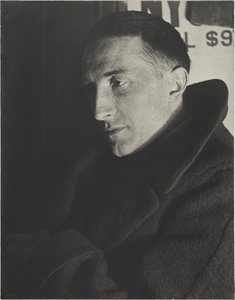
Marcel Duchamp
1887 - 1968 , Francia
Datos clave
- Artistas Influenciados Por: ['Franck Scurti']
- Fecha De Muerte: 1968
- Fecha De Nacimiento: 28 de julio de 1887
- Lugar De Nacimiento: Blainville-sur-Mer, Francia
- Movimiento Artístico:
- Cubismo
- Dadaísmo
- Arte conceptual
- Nacionalidad: Francesa-estadounidense
- Nombre Completo: Marcel Duchamp
- Obras Notables:
- Fuente
- Retrato de jugadores de ajedrez
- La novia desnudada
- L.H.O.O.Q.
- Boîte-en-valise
Artículos relacionados

Beyond Impressionism: Exploring the Emotional Depth and Vibrant Mastery of Post-Impressionist Art
Discover the profound evolution of art beyond Impressionism. Explore the emotional depth, vibrant colors, and revolutionary techniques of Post-Impressionist masters like Van Gogh and Cézanne in this expert guide to art history's most expressive movement.

Post-Impressionism Guide: Bold Colors and Expressive Masterpieces for Professional Hotel Decorators
Elevate hospitality interiors with Post-Impressionist masterpieces. A professional guide for hotel designers on selecting bold, expressive oil reproductions and large-scale murals to create impactful, high-end guest experiences through expert art procurement.


