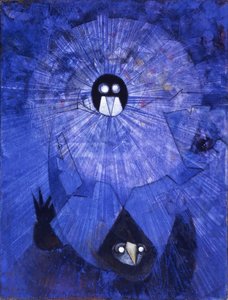
Large Orchard (2)
18.0 x 23.0 cm
Colección de Arte de la Imperial College Healthcare Charity
Giclée / Impresión de arte
Impresión giclée o en lienzo de calidad de museo con producción rápida y opciones de acabado flexibles.
Elija entre nuestros tamaños predefinidos que respetan las proporciones originales de la obra.
Puede introducir sus propias dimensiones para adaptarse a un marco o espacio específico. Si el tamaño seleccionado no coincide con las proporciones de la imagen original, recortaremos la obra de arte o extenderemos la imagen con un borde con efecto espejo o de color sólido. Se enviará una maqueta digital para su aprobación antes de que comience la producción.
Tenga en cuenta que la vista previa en pantalla no refleja el recorte o la extensión real. Solo la maqueta mostrará con precisión la composición final.
Aunque existen tamaños personalizados, recomendamos seleccionar una dimensión de la lista predefinida para preservar las proporciones originales.
Entrega mundial () en 2 semanas en lugar de las 4/5 semanas estándar. (20 julio)
Envío exprés gratuito a todo el mundo
Lienzo de lino de alta calidad
Seguro de envío total
Garantía de reembolso de impuestos aduaneros
Garantía de fidelidad de color
Política de devolución de 60 días (solo por defectos)
Garantía de devolución del 100% del dinero
Descuento por pedido múltiple
Large Orchard (2)
Giclée / Impresión de arte
Tamaño de la reproducción
-
Precio total final
-
Biografía del artista
A Vision of the Moor: The Life and Art of Peter Fleming
Peter Fleming, also known as Peter De Wint, is a British artist whose work resonates deeply with those who appreciate the quiet beauty of the rural landscape. While biographical details remain somewhat elusive – a characteristic often found amongst artists dedicated to observation rather than self-promotion – his paintings speak volumes about a life immersed in the natural world. Fleming’s artistic focus centers on evocative scenes, particularly those of Bodmin Moor, capturing its unique atmosphere with remarkable sensitivity and detail. He doesn't merely depict locations; he conveys a feeling, an emotional connection to the land that draws viewers into the heart of his subjects. His legacy lies not in grand historical narratives but in the intimate portrayal of British wildlife and the subtle shifts of light across rolling hills and ancient trees.Early Influences and Artistic Development
Fleming’s artistic journey began with a keen eye for observation, nurtured by the landscapes that surrounded him. While specific formal training remains undocumented, his work suggests an affinity for the traditions of English landscape painting. The influence of artists like John Constable and J.M.W. Turner is subtly present in his handling of light and atmosphere, though Fleming developed a distinctly personal style. He eschewed the dramatic grandeur favored by some contemporaries, instead focusing on a more restrained palette and meticulous attention to detail. This approach allowed him to capture the nuances of the moorland environment – the texture of gorse bushes, the play of shadows on rocky outcrops, and the subtle variations in color across heather-covered slopes. His early works demonstrate a commitment to realism, gradually evolving into compositions that prioritize mood and emotional resonance over strict topographical accuracy.Bodmin Moor: A Defining Subject
The landscapes of Bodmin Moor became central to Fleming’s artistic practice, serving as both inspiration and subject matter. He wasn't simply recording the scenery; he was interpreting it through a deeply personal lens. His paintings of Bodmin Moor often feature ponies grazing amongst ancient trees, or depict scenes around abandoned buildings like Bread Oven, evoking a sense of history and solitude. These are not idyllic portrayals; there’s an underlying current of wildness and untamed beauty in his work. He masterfully captures the unique light conditions of the moor – the soft glow of dawn, the dramatic shadows of late afternoon, and the atmospheric haze that often blankets the landscape. This dedication to a specific locale allowed him to develop an unparalleled understanding of its character, resulting in paintings that feel both authentic and deeply evocative.Technique and Style: A Quiet Mastery
Fleming’s technique is characterized by meticulous detail and a restrained palette. He employed a layering approach, building up tones and textures to create depth and atmosphere. His brushwork is often subtle, blending colors seamlessly to achieve a sense of realism without sacrificing artistic expression. He favored oil paints, utilizing their versatility to capture the nuances of light and shadow. Unlike some artists who prioritize bold strokes and dramatic compositions, Fleming’s style is marked by its quiet mastery. He allowed the subject matter to speak for itself, using his technical skills to enhance rather than overwhelm the natural beauty of the landscape. His paintings are not about virtuosity; they are about connection.Legacy and Historical Significance
While Peter Fleming may not be a household name, his work holds a significant place within the tradition of British landscape painting. He represents a continuation of the Romantic ideal – a deep appreciation for the beauty of nature and a desire to capture its emotional power. His paintings offer a glimpse into a vanishing world, preserving the character of rural Britain for future generations.- His dedication to Bodmin Moor
- His meticulous technique
- His ability to evoke mood and atmosphere
Datos clave
- Artistic Movement Or Style: Landscape Painting
- Artists Or Movements Influenced By This Artist: ['Peter De Wint']
- Artists Who Influenced This Artist: ['Robert Hull Fleming']
- Date Of Birth: (Living)
- Date Of Death: (None)
- Full Name: Peter Fleming
- Nationality: British
- Notable Artworks:
- Bread Oven, Bodmin Moor
- Trees and Huts
- Large Orchard (2)
- Place Of Birth: (City, Country)

La opción de vidrio solo está disponible en tamaños inferiores a 110 cm.