Acrylic On Canvas.

§ 1Datos del catálogo

§ 2Abstracto
Descripción del objeto
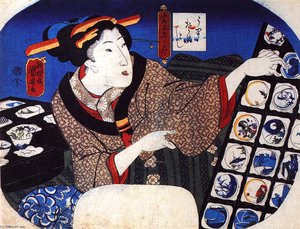
This exquisite 19th-century Japanese tryptych showcases the exceptional artistry of Utagawa Kuniyoshi, capturing a pivotal scene from Kabuki theater with vibrant colors and intricate detail. Printed on textured paper, it embodies the spirit of the *ukiyo-e* tradition. Admire Utagawa Kuniyoshi's masterful depiction of actors Ichimura Uzaemon XII and Tada Kurodo Yukitsuna in this stunning Japanese
 Ver más
Biografía del artista
Descubre a Utagawa Kuniyoshi (1798-1861), maestro del ukiyo-e japonés. Sus vibrantes grabados de guerreros y paisajes fusionan tradición e innovación.
§ 3Comentario
A Window Into Edo Japan: Kuniyoshi's "The Actor" – A Symphony of Color and Drama
Utagawa Kuniyoshi’s “The Actor,” executed in 1847, stands as a quintessential example of *shunga*, the Japanese erotic woodblock print genre that flourished during the Edo period (1603-1868). More than just a depiction of theatrical performance, this triptych delves into themes of beauty, masculinity, and fleeting moments captured in exquisite detail—a testament to Kuniyoshi’s mastery of technique and his profound understanding of Japanese aesthetics. Produced by Ichimura Uzaemon XII for the prestigious Gobuji Chūshingura series, commissioned to commemorate the heroic tale of samurai loyalists defending Edo Castle against Tokugawa forces, “The Actor” embodies the spirit of its time—a fascination with idealized figures and a celebration of artistic virtuosity.- Subject Matter: The print portrays Ichimura Uzaemon XII as Tada Kurodo Yukitsuna, a prominent Kabuki actor known for his dramatic performances and captivating stage presence. Kuniyoshi meticulously captures Yukitsuna’s posture—a deliberate pose designed to convey nobility and strength—emphasizing the importance of gesture and expression within Japanese theater traditions.
- Style & Technique: Kuniyoshi employed a bold, expressive style characteristic of *shunga*, utilizing thick black outlines and vibrant colors achieved through multiple blocks of pigment applied to the wood surface. The artist’s masterful use of tonal gradation—particularly in the background—creates depth and atmosphere, transporting viewers into the theatrical space depicted.
- Historical Context: “The Actor” reflects the Edo period's obsession with idealized beauty and heroic narratives. Gobuji Chūshingura itself was a popular tale celebrating samurai loyalty and courage, mirroring broader societal values during this era. Kuniyoshi’s inclusion of tattoos—a symbol of honor and warrior identity—further reinforces these themes, demonstrating his awareness of cultural conventions.
- Symbolism: The intricate patterns adorning Yukitsuna's kimono serve as visual metaphors for status and refinement—elements central to Edo society’s hierarchical structure. Furthermore, Kuniyoshi’s careful composition directs the viewer’s gaze towards Yukitsuna’s face, highlighting the importance of facial expression in conveying emotion and embodying character within Kabuki performances.
- Emotional Impact: Despite its erotic undertones—a common feature of *shunga*— “The Actor” transcends mere sensuality to evoke feelings of admiration for beauty and contemplation on the ephemeral nature of human experience. Kuniyoshi’s artistic vision captures a moment frozen in time, inviting viewers to appreciate the artistry and cultural significance of Edo Japan.
Preguntas y respuestas
¿A qué estilo pertenece "The actor (12)"?
"The actor (12)" es una obra de Ukiyo-e. El movimiento indica la tradición artística a la que pertenece la obra.
¿Dónde se recomienda exhibir el formato Square de "The actor (12)"?
Con su formato Square, se sugiere una reproducción de "The actor (12)" para un Living Room.
¿Qué sensación transmiten los colores de "The actor (12)" de Utagawa Kuniyoshi?
"The actor (12)" de Utagawa Kuniyoshi combina una paleta de Neutrals con un tono Reflective.


 Cambiar a impresiones


 Para obras de arte o reproducciones que midan más de 105 cm (aproximadamente 41 pulgadas) en cualquiera de sus lados, el marco se enviará como un kit desmontado. Este método garantiza una entrega segura y evita daños durante el transporte.