


 Eelvaade
 Saada
Saada Jaga
Jaga
 Teave teose kohta
 Juhend

 Laadi alla
 Sarnased teosed
 Röntgenuuring
 Slaidietendus
 Q&A
Q&A Statistika
Les Peches


 Loe lähemalt
Giclée / Kunstiprint
Muuseumikvaliteediga giclée- või kangasprint kiire tootmisega ja paindlikud viimistlusvõimalused. ( Osta käsitsi maalatud teos Lülita digitaalse pildi juurde)




P118B €10

P118H €10

P118W €10

P438Z €10

P508JH €12

P508YH €12

P805H €10

P805Z €10

P919BZ €10

P919G €10

P919XJ €10

P959ZH €10

P968JZ €12

W106C €8

W218G €10

W218JH €8

W218Y €10

W307PJ €10

W316G €10

W316PJ €8

W316Y €10

W398PJ €8

W4111J €10

W500HY €15

W500JH €15

W692G €12

W849H €8

W940BG €15

W953PJ €8




Vali meie eelmääratud suurused, mis vastavad teose algupärastele proportsioonidele.

Sisestage vajalik laius ja kõrgus, et see sobiks teie raamile või seinale. Trükki saab ainult lõigata, seda ei saa kunagi pildist suuremaks teha, seega ka erineva mustega suurus kaotab osa pildist. Enne trükkimist saadame teile kinnitamiseks digitaalse näidisprojektsiooni. Sellel lehel näidatud pilt ei kujuta reaalset lõiget — seda näitab ainult näidisprojektsioon.
Ülemaailmne tarne () 2 nädala jooksul, tavalise 4/5 nädala asemel. (29 oktoober)

Tasuta ekspresssaatmine üle maailma

Kõrgekvaliteediline lina-kangas

Täielik transpordikindlustus

Tollimaksude tagastamise garantii

Värvitoime täpsuse garantii

100 päeva tagastusõigus (ainult valmistusdefektide korral)

100% raha tagasi garantii

Hulgusoodustus
 Klaasivalik on saadaval ainult kuni 110 cm suuruses teostes

Les Peches
Giclée / Kunstiprint
Reproduktsiooni suurus
-


Koguhind
€ 56
James Ensor's *Les Peches*: A Descent into Shadowed Symbolism
James Ensor’s *Les Peches* (The Deadly Sins) is not merely a still life; it’s a profoundly unsettling exploration of human nature, rendered with the artist’s signature blend of meticulous observation and deeply personal symbolism. Painted around 1904, this work exemplifies Ensor's unique approach to depicting everyday objects – in this case, a collection of fruit – as vehicles for psychological and spiritual commentary. The composition immediately draws the viewer into a space of quiet unease, dominated by the dark palette and the subtly distorted forms that characterize much of Ensor’s oeuvre. The arrangement of the apples, oranges, and bananas, seemingly casually placed on the table, feels deliberately staged, hinting at a narrative beyond simple representation.
- Subject Matter: The painting focuses on a still life featuring various fruits – apples, oranges, and bananas – arranged within a bowl.
- Artist: James Ensor (1860-1949), a prominent Belgian Symbolist painter known for his dark and often disturbing imagery.
- Date: Circa 1904
A Palette of Anxiety and the Symbolism of Decay
Ensor’s masterful use of color contributes significantly to the painting's emotional impact. The dominant tones are muted browns, greens, and blacks, creating a sense of gloom and decay. This somber palette is not accidental; it reflects Ensor’s preoccupation with themes of mortality, sin, and psychological distress. The fruit itself – particularly the slightly bruised apple – can be interpreted as a symbol of temptation and corruption, echoing the biblical reference to “the deadly sins.” The arrangement of the fruits isn't naturalistic; instead, they seem deliberately positioned to heighten the sense of unease and foreboding. Notice the subtle distortions in their forms, adding to the overall feeling of disquiet.
Technique and Influences: Ensor’s Unique Vision
Ensor employed a meticulous technique, evident in the detailed rendering of each fruit and the careful construction of the composition. His brushwork is precise yet expressive, conveying both realism and emotional intensity. While influenced by Impressionism's focus on light and color, Ensor quickly moved beyond its limitations, developing his own intensely personal style. He was also deeply affected by the work of Gustave Moreau, another Symbolist painter known for his opulent and dreamlike imagery. However, unlike Moreau’s often fantastical scenes, Ensor’s work is grounded in a palpable sense of anxiety and psychological realism. The inclusion of vases and a potted plant adds to the overall composition, suggesting a domestic setting that feels strangely sterile and unsettling.
Historical Context and Legacy
*Les Peches* stands as a pivotal work within James Ensor’s artistic trajectory. Created during a period of significant social and intellectual upheaval in Europe – marked by anxieties surrounding industrialization, urbanization, and the decline of traditional values – the painting reflects these concerns through its exploration of darker themes. Ensor's unflinching portrayal of human vulnerability and his willingness to confront uncomfortable truths cemented his reputation as one of the most important and influential artists of the Symbolist movement. His work continues to resonate with viewers today, offering a powerful meditation on the complexities of the human condition.
Korduvad küsimused
Milline palett ja domineeriv värv määravad teose "Les Peches"?
Teose "Les Peches" värvigamma on määratud Neutrals paletiga, mille domineeriv värv on Espresso (#513f30).
Mis on soovitatav trükkimõõt teosele „Les Peches“, autor James Ensor?
Teosele „Les Peches“, autor James Ensor on soovitatav printida suuruses Large. Suurust saab muuta, säilitades samal ajal proportsioonid.
Kuidas teose "Les Peches" motiiv seobub James Ensor tavalistega teemadega?
James Ensor dokumenteeritud teemade — masks, shadows, symbolism, guilt, belgian morbid culture, religion, ensor’s recurring motifs, dark — seas paneb teos "Les Peches" erilist tähelepanu teemadel still life, fruit bowl, james ensor, apples oranges, vases plants, dark palette, deadly sins.
Sarnased teosed


Kunstniku elulugu
James Ensor: A Pioneer of Modernism
James Sidney Edouard, Baron Ensor (Ostend, 13 April 1860 – 19 November 1949) was a Flemish-Belgian painter and printmaker, an important influence on expressionism and surrealism who lived in Ostend for almost his entire life. He was associated with the artistic group Les XX.
Early Life and Artistic Training
James Ensor’s father, James Frederic Ensor, born in Brussels to English parents, was a cultivated man who studied engineering in England and Germany. Ensor's mother, Maria Catharina Haegheman, was Belgian. Ensor himself lacked interest in academic study and left school at the age of fifteen to begin his artistic training with two local painters. From 1876, he attended drawing lessons at the College of the Blessed Virgin in Ostend.
The Impressionist Influence and Initial Works
Ensor’s early paintings reflected a more traditional approach, depicting scenes of everyday life rendered in somber tones. Works like *Russian Music* (1881) and *The Drunkards* (1883) reveal a nascent talent grappling with realism, but even within these early pieces, hints of the unsettling imagery to come are present. A pivotal shift occurred as Ensor’s palette brightened and his subject matter grew increasingly bizarre. He began to populate his canvases with carnivals, skeletons, puppets, and allegorical figures—a world steeped in fantasy and often bordering on the grotesque. This wasn't merely a stylistic change; it was a deliberate exploration of the darker aspects of human existence, a rejection of societal norms, and an embrace of the irrational.
Les XX and Artistic Innovation
In 1883 Ensor, along with a few older students of the Brussels‘ academy, would take leave of the artists‘ association *L'Essor*. They established the artists‘ association* Les Vingt*. This will play an important role in the dissemination of various international *avant-garde* movements. Ensor’s father’s shop in Ostend was a main purveyor of carnival paraphernalia, and this fascination would permeate his artwork.
Major Paintings and Recurring Themes
Throughout his career, Ensor produced a series of works that continue to shock and fascinate audiences today. *The Scandalized Masks* (1883) stands as an early testament to his fascination with the power of disguise and its ability to reveal hidden emotions. Perhaps his most controversial work, *Christ’s Entry into Brussels* (1888-1889), remains a powerful satire of religious hypocrisy and societal indifference—a painting initially met with harsh criticism but now celebrated as a masterpiece. The unsettling image of Christ entering a city teeming with grotesque masked figures is a potent commentary on the disconnect between spiritual ideals and human behavior.
Legacy and Influence
James Ensor was recognized as a pivotal figure in the transition from 19th-century Symbolism to early 20th-century Expressionism and Surrealism—a true pioneer of modern art. His fearless exploration of the subconscious, his embrace of grotesque imagery, and his rejection of academic conventions paved the way for future generations of artists who dared to challenge artistic norms. He is remembered as a visionary artist whose uncompromising vision continues to inspire contemplation and debate.
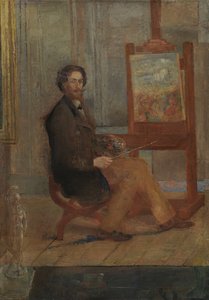
James Ensor
1860 - 1949 , Belgium
Lühikest infot
- Artistic Movement Or Style: Expressionism, Surrealism
- Artists Who Influenced This Artist:
- Bruegel the Elder
- Francisco Goya
- Whistler
- Date Of Birth: April 13, 1860
- Date Of Death: November 19, 1949
- Full Name: James Sidney Edouard Ensor
- Nationality: Belgian
- Notable Artworks:
- The Scandalized Masks
- Skeletons Fighting...
- Christ's Entry into Brussels
- Place Of Birth: Ostend, Belgium
Sarnased artiklid

Silent Narratives: Exploring the Enduring Appeal of Still Life Painting Across Centuries
Explore the rich history of still life painting with AllPaintingsStore. Discover Dutch Masters, decode vanitas symbolism & learn about collecting timeless art. Expert insights and museum-quality reproductions.
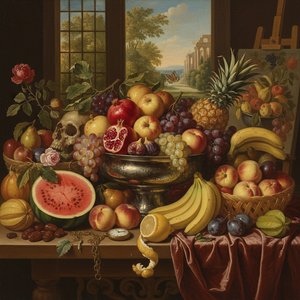
The Bountiful Still Life: Symbolism & Artistic Representation of Fruit Across Art History
Explore the rich history of still life painting & the symbolism of fruit across art movements. Discover masterpieces from Caravaggio to Cézanne with AllPaintingsStore – expert guidance & museum-quality reproductions.

Echoes of Time: Exploring the Enduring Appeal & Historical Context of Vintage Art Prints
Explore the captivating world of vintage art prints! Discover their history, collecting tips & enduring appeal. Expert insights on chromolithography and building a legacy collection with AllPaintingsStore.

Giclée Prints: Archival Quality & Aesthetic Nuances for the Discerning Collector
Explore the world of giclée prints with AllPaintingsStore. Learn about archival quality, aesthetic nuances & investment potential. Expert guidance for discerning art collectors seeking museum-quality reproductions and lasting value.

The Enduring Legacy of Fine Art Prints: Technique, History & Aesthetic Impact
Explore the rich history & techniques of fine art prints. Discover investment potential, assess authenticity, and learn how to preserve your collection with expert guidance. Trusted insights for discerning collectors.


