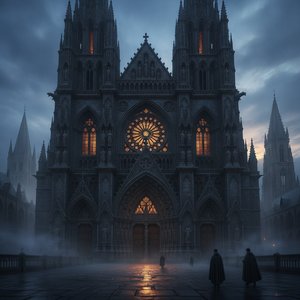
1326. Acrylic On Canvas, 57.0 x 37.0 cm. Metropolitani Kunstimuuseum.

§ 1Kataloogandmed

- 57.0 x 37.0 cm


§ 2Abstraktne
Kogumisobjekti kirjeldus
 Loe lähemalt
Kunstniku elulugu
Simone Martini oli Siena suurmeister ning rahvusvaheliste gootika stiili üks juhtiv mõjendaja! Tema maailmakuulus maalid – nagu 'Maestà' – täidavad religiooni ja õhtu kultuuri elegantsiga ning tänu nende täiuslikule detailile.
§ 3Kommentaar
A Masterpiece of Elegance: Exploring Simone Martini’s St Andrew
Simone Martini, born around 1284 in Siena, Italy, stands as a pivotal figure in the transition from medieval to Renaissance art. He wasn't merely a painter; he was an architect of elegance, a master of line and color who infused his works with a courtly refinement that distinguished him from contemporaries like Giotto. While historical accounts vary regarding his early training—some suggest apprenticeship under Duccio di Buoninsegna, the leading Sienese artist of the time, while others point to Florence and the influence of Giotto—Martini undeniably forged a unique artistic path.
“Saint Andrew,” created circa 1326, exemplifies Martini’s signature style – International Gothic. This panel is part of an ambitious five-part portable altarpiece commissioned by the governing body of Siena and represents one of Simone's most celebrated achievements. Together with Giotto, Martini was arguably the most famous artist of his day. His refined technique and descriptive powers, evident in the depiction of Saint Andrew and the manner in which he holds his book, were unequalled in Europe and earned the admiration of poets like Petrarch.
Technical Brilliance: Line and Color as Expressions of Faith
The painting’s meticulous detail is remarkable. Martini skillfully employs tempera on wood, incorporating a gold ground to heighten luminosity and create an ethereal atmosphere. Observe the delicate hatching technique used to render Saint Andrew's robe and facial features—a hallmark of Gothic art—emphasizing texture and conveying solemnity. The artist’s masterful use of color contributes to the overall impression of grace and serenity, reflecting the spiritual significance of the subject.
Historical Context: Siena and the Renaissance Spirit
Siena during Martini's time was a vibrant center of commerce and culture, fostering an environment where artistic innovation flourished. Influenced by French manuscript illumination and ivory carving—imported via the Via Francigena—Martini blended religious devotion with worldly sophistication. The altarpiece’s commission underscores Siena’s role as a patron of the arts during this formative period of European history.
Symbolism: Book, Halo, and Reverence for Saint Andrew
The central image depicts St. Andrew holding a book—a potent symbol representing knowledge and divine wisdom—underscoring his role as a teacher and exemplar of Christian virtue. Above his head rests a halo, signifying his sanctity and highlighting the saint’s spiritual stature. The painting's composition is carefully balanced, reflecting the contemplative nature of Orthodox Christianity.
Emotional Impact: A Portrait of Serenity and Dignity
“Saint Andrew” transcends mere representation; it communicates profound emotion—a sense of solemn dignity and unwavering faith. Martini’s ability to capture the essence of his subject speaks volumes about his artistic genius, securing his place as one of the foremost artists of his era.
Korduvad küsimused
Mis selgitab teose „St Andrew“, autor Simone Martini autoriõiguste olukorda?
„St Andrew“, autor Simone Martini on avalikus õiguses – selle autoriõigud onหมดunud. Tegijakeskuse kaitse kestus arvatakse kunstniku surmaajaest, mis toimus aastal 1344.
Kes müüb teose "„St Andrew“, autor Simone Martini" käsitsi maaldatud koopiaid?
Teose „St Andrew“, autor Simone Martini käsitsi maaldatud reproduktsiooni saab tellada otse selle Käsitsi maalatud reproduktsioon lehelt: käsitsi maalatud õlireproduktsioon linaelapale, valmistatud tellimusest.
Mis on teose „St Andrew“, autor Simone Martini loomisaeg?
Teos „St Andrew“, autor Simone Martini loodi aastal 1326.


 Lülita trükkitoodetele


 Kunstiteoste või reproduktsioonide puhul, mille üks külg on üle 105 cm (umbikmolt 41 tolli), saadetakse raam kirjal asendis, la Dismantlitud komplektina. See meetod tagab ohutuse kohaletoimetamisel ja väldib transpordil tekkivaid kahjustusi.