


 Vaata sisu
 Jaga teost
 Jaga
Jaga
 Detailid
 Juhend

 Laadi alla
 Sarnased teosed
 Röntgenuuring
 Slaidietendus
 Statistika
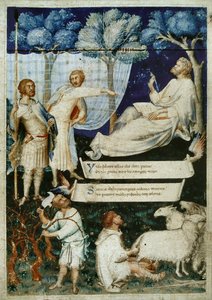
St Louis of France (detail)


 Loe lähemalt
Käsitsi valmistatud õlimaalireproduktsioon
Meie kunstnike poolt tellimusel valmistatud käsitsi maalitud õli-kainaste teos teie soovitud suuruses ja raamis. ( Lülita trükkitoodetele Ülemineku digitaalse pildi müügi kanalisse)




P118B $10

P118H $10

P118W $10

P438Z $10

P508JH $12

P508YH $12

P805H $10

P805Z $10

P919BZ $10

P919G $10

P919XJ $10

P959ZH $10

P968JZ $12

W106C $8

W218G $10

W218JH $8

W218Y $10

W307PJ $10

W316G $10

W316PJ $8

W316Y $10

W398PJ $8

W4111J $10

W500HY $15

W500JH $15

W692G $12

W849H $8

W940BG $15

W953PJ $8




Vali meie eelmääratud suurused, mis vastavad teose algupärastele proportsioonidele.

Sa võite sisestada oma mõõtmed konkreetse raami või ruumi sobivuse tagamiseks. Kui teie valitud suurus ei vasta originaalpildi proportsioonidele, siis kärvime kunstiteost või laiendame maali täiendavate käsitsi maalitud elementidega. Enne tootmise algust saadetakse teile heakskiitmiseks digitaalne eelvaade.
Palun pidage meeles, et ekraanil kuvatav eelvaade ei kajasta tegelikku kärpimist või laiendamist. Ainult eelvaade näitab täpselt lõplikku kompositsiooni.
Kuigi on saadaval kohandatud suurused, soovitame originaalproportsioonide säilimiseks valida mõõdud eelmääratletud nimekirjast.
Pärast tellimust saadab AllPaintingsStore.com meeskond kliendile e-posti juhised ning esitab eelvaate kavandi
Maailmline tarne 3–4 nädala jooksul tavalise 5 nädala asemel. (21 september). Kvaliteedis kompromisse ei tehta.

Tasuta ekspresssaatmine üle maailma

Kõrgekvaliteediline lina-kangastest muld

Täielik transpordikindlustus

Tollimaksude tagastamise garantii

Värvitoime täpsuse garantii

100 päeva tagastusõigus (ainult defektide korral)

100% raha tagasi garantii

Hulgusoodustus
 Klaasivalik on saadaval ainult kuni 110 cm suuruses teostes

St Louis of France (detail)
Reproduktsiooni materjal
Reproduktsiooni mõõtmed
-


Lõppsumma
$ 258
A Portrait of Royal Devotion: Simone Martini's *St Louis of France* (Detail)
This exquisite detail from Simone Martini’s “St Louis of France” offers a profound glimpse into the heart of 14th-century piety and courtly grace. Painted in 1317, during the artist’s peak creative period, this fragment transcends mere portraiture; it is a carefully constructed meditation on faith, power, and the dignity of human form. The subject, identified as St Louis IX of France, King Saint, is depicted with an almost unnerving stillness, his gaze fixed downwards, suggesting deep contemplation or perhaps fervent prayer. His posture, hands clasped before him in a gesture of humility and reverence, immediately draws the viewer into his internal world.
- The Artist's Hand: Simone Martini was a pivotal figure bridging the medieval and early Renaissance styles. His work, particularly within the Sienese school, is renowned for its meticulous detail, vibrant color palette, and masterful use of line – qualities that earned him the title "Master of Elegance and Grace."
- Technique: The painting demonstrates Martini’s signature technique: a layered approach utilizing tempera on panel. This allowed for incredible luminosity and richness in color, particularly evident in the luxurious fabrics of the king's robe. Notice the delicate modelling of form, achieved through subtle gradations of tone rather than harsh outlines.
Symbolism Woven into the Fabric
The composition is rich with symbolic meaning, reflecting the religious and political context of the time. The prominent cross in the upper left corner immediately anchors the image within a Christian framework, signifying salvation and divine guidance. The intricate decorative patterns surrounding St Louis are not merely ornamental; they represent the elaborate courtly culture of the French monarchy – a world where piety was intertwined with power and prestige. The robe itself, likely made of rich velvet or brocade, speaks to his royal status, while its folds and drapery contribute to the overall sense of grandeur and solemnity.
- Royal Authority: The crown, though partially obscured, is a potent symbol of St Louis’s earthly authority as King of France.
- Devotion & Humility: The downward gaze and clasped hands underscore the importance of humility and reverence in the face of God.
Historical Context and Artistic Influence
Painted in 1317, this work reflects a period of significant religious fervor within Europe, fueled by the Crusades and the growing influence of the Catholic Church. St Louis IX’s reign was marked by his unwavering commitment to piety and justice, making him a revered figure in both France and Christendom. Martini's depiction aligns with the artistic trends of Siena at the time – a city renowned for its religious art patronage and skilled artisans. His work echoes the influence of Giotto di Bondone, particularly in its emphasis on naturalism and emotional expression, while simultaneously maintaining the formal elegance characteristic of Sienese painting.
Emotional Impact and Artistic Value
“St Louis of France” (detail) is more than just a historical artifact; it’s a powerful testament to human spirituality and artistic skill. The artist's ability to capture not only the physical likeness of St Louis but also his inner state – a sense of solemnity, contemplation, and devotion – elevates this work beyond simple representation. A hand-painted reproduction offers an unparalleled opportunity to experience the beauty and emotional depth of Martini’s masterpiece in your own space, bringing a touch of medieval grandeur and spiritual serenity into your home or office.
Sarnased teosed


Kunstniku elulugu
Simone Martini (c.1284–1344) – A Sienese Master of Elegance and Grace
Simone Martini, born around 1284 in Siena, Italy—though precise birthdates remain elusive—stands as a cornerstone figure in the transition from medieval to Renaissance art. He wasn’t merely a painter; he was an architect of elegance, a master of line and color who infused his works with a courtly refinement that distinguished him from contemporaries like Giotto di Bondone. Historical accounts regarding Martini’s formative years are fragmentary—scholarly debate centers on whether he apprenticed under Duccio di Buoninsegna, the dominant Sienese artist of his time, or if Florence and Giotto exerted a more profound influence—yet Martini undeniably forged an artistic path uniquely his own.
Origins and Education – The Seeds of Style
The exact circumstances surrounding Simone’s upbringing are shrouded in obscurity. Tradition suggests he was born in Siena’s Sant’Egidio district, possibly the son of Martino Senese, a craftsman specializing in preparing arriccio—the initial plaster layer applied to wall surfaces destined for fresco painting—though corroborating evidence remains scant. Regardless of his precise origins, Martini’s artistic training undoubtedly commenced within Duccio di Buoninsegna’s workshop, where he absorbed the stylistic precepts of Sienese Gothic.
The Siena Workshop – Collaboration and Patronage
Martini’s formative years were marked by close association with Memmo di Filippuccio, another artisan active in San Gimignano—a partnership that fostered not only professional growth but also exposure to the burgeoning artistic culture of Tuscany. Crucially, Martini secured his first major civic commission in 1311: the frescoing of the *Maestà* for Siena’s Palazzo Pubblico—a monumental undertaking that cemented Duccio’s legacy and established Martini as a rising talent.
The Maestà – A Synthesis of Tradition
The *Maestà*, completed in 1315, represents a pivotal moment in Martini’s artistic trajectory. It served as an homage to Duccio’s own masterpiece—a stylistic echo that underscored Martini’s commitment to established Sienese conventions. Yet, Martini transcended mere imitation; he innovated through meticulous attention to detail and the incorporation of groundbreaking techniques—particularly the use of metallic pigments and punching—resulting in a painting that embodies both grandeur and exquisite refinement.
International Gothic – Influence and Artistic Vision
Martini’s stylistic hallmark is undeniably International Gothic, a movement characterized by its delicate beauty, elongated figures, flowing drapery, and opulent ornamentation. This aesthetic was profoundly shaped by artistic currents originating from France—specifically the illuminated manuscripts and ivory carvings of Parisian ateliers—which Martini skillfully assimilated into his own distinctive vision.
Later Career – Avignon and Artistic Circles
Martini’s renown extended beyond Siena, attracting commissions from papal patrons in Avignon—a city at the epicenter of European power during the thirteenth century. His presence within Francesco Petrarca’s intellectual circle further enriched his artistic milieu—a connection underscored by Vasari’s account of Martini’s portrait of Laura de Noves—demonstrating Martini's ability to capture not only physical likeness but also the essence of beauty and inspiration.
Legacy – An Enduring Influence
Simone Martini’s contribution to European art history is undeniable. He championed International Gothic style, disseminating its aesthetic principles across the continent and shaping the artistic sensibilities of subsequent generations. His frescoes in San Francesco d’Assisi exemplify his mastery of large-scale decorative painting—a testament to Martini's unparalleled command of color, form, and compositional harmony. Martini died in Avignon in 1344, leaving behind a legacy that continues to inspire awe and admiration centuries later—a beacon of elegance and artistic innovation.
Simone Martini
1284 - 1344 , Itaalia
Lühikest infot
- Artistic Movement Or Style: International Gothic
- Artists Who Influenced This Artist:
- Duccio di Buoninsegna
- Francesco Petrarca
- Date Of Birth: c. 1284
- Date Of Death: 1344
- Full Name: Simone Martini
- Nationality: Italian
- Notable Artworks:
- Saint Louis Crowning Robert
- Annunciation (Uffizi)
- Consecration of Chapel
- Place Of Birth: Siena, Italy
Sarnased artiklid

International Gothic Style: The Elegant Dawn of European Art History and the Transition to Renaissance Naturalism
Explore the elegance of International Gothic art. Discover how masters like Simone Martini bridged medieval symbolism and Renaissance naturalism through courtly grace, luminous gold, and intricate detail in this expert guide to European art history.

Simone Martini: Innovation, Spirituality & Courtly Refinement in Sienese Painting
Explore the captivating world of Simone Martini, a pivotal figure in Sienese painting & the International Gothic style. Discover his innovative techniques, spiritual depth, and lasting influence on early Renaissance art.

Morris Louis: Pioneering Color Field Painting & Abstract Expressionism's Legacy
Explore the groundbreaking abstract expressionism of Morris Louis, a pioneer of Color Field painting. Discover his innovative techniques, influential series & lasting legacy in post-war American art. Learn more at AllPaintingsStore.
El Greco 25 parimat teost: Hingemattev kunst kollektsioon AllPaintingsStore.com-is
Avastage El Greco 25 parimat teost! Sukelduge hispaania renessansi ja baroki maailma. Vaadake ikoonilisi maale nagu St Sebastian, Laagendatud Maria ja palju muud. Leidke täiuslik kunstiteos oma kodule AllPaintingsStore.com-is – kvaliteetsed reproduktsioonid ja inspiratsioon interjööridisainiks. Avastage kogu

Simon Vouet: A Baroque Master's Journey from Italian Influence to French Classicism
Explore the life & art of Simon Vouet, a pivotal French Baroque painter who introduced Italian styles to France. Discover his masterpieces and lasting influence on 17th-century art.


