

1866. Huile sur toile.

§ 1Données du catalogue


§ 2Abstrait
Description de la pièce
Admirez « Seascape, Night Effect » de Claude Monet : une œuvre emblématique de l'impressionnisme capturant la beauté nocturne de la mer avec une maîtrise exceptionnelle de la lumière et des couleurs.
 Lire la suite
Biographie de l'artiste
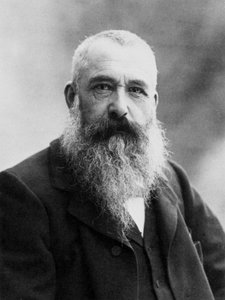
Explorez Claude Monet (1840-1926), le fondateur de l'Impressionnisme ! Découvrez les célèbres nénuphaires, les épis de blé et les paysages capturant la lumière et l'essence de la nature. Une figure clé de l'art moderne.
§ 3Commentaire
Seascape, Night Effect: A Pioneering Vision of Impressionism
Claude Monet’s Seascape, Night Effect, painted in 1866, stands as a cornerstone of Impressionist art—a testament to Monet’s unwavering dedication to capturing the ephemeral beauty of nature and his revolutionary approach to artistic representation. More than just a depiction of a coastal scene, it embodies a profound shift away from academic conventions toward an artist's subjective experience of light and atmosphere. Located at the National Galleries of Scotland, this oil on canvas masterpiece continues to fascinate viewers with its masterful execution and enduring emotional resonance.Composition and Perspective
The painting presents a dramatic seascape dominated by two imposing ships positioned prominently in the foreground. These vessels serve not merely as compositional anchors but also symbolize ambition and human presence against the vastness of the ocean. Careful attention is paid to perspective, creating depth and conveying the sensation of movement—the subtle ripple of water beneath the moonlight. A smaller boat drifts near the center, adding a touch of intimacy to the expansive vista. Finally, a lighthouse perched on the horizon provides visual height and reinforces the sense of isolation inherent in confronting the sublime power of nature.Light and Atmosphere: Monet’s Breakthrough Technique
Monet's genius lies in his innovative use of light—a principle that would become central to Impressionist aesthetics. He abandons traditional chiaroscuro techniques, favoring instead a vibrant palette of blues, greens, and yellows to depict the interplay between moonlight and starlight on the water surface. Monet meticulously applied short brushstrokes of color, layering them upon one another to achieve an effect of shimmering luminescence—a technique that anticipates the developments of later Impressionist painters like Renoir and Sisley. The hazy sky contributes significantly to the painting's atmospheric quality, blurring contours and diffusing light, thereby conveying a feeling of tranquility and mystery.Historical Context: Challenging Artistic Norms
Painted during a period of significant artistic upheaval, Seascape, Night Effect represents a decisive break from the prevailing academic style of the Salon. Artists like Monet were actively rejecting idealized representations and striving to depict reality as they perceived it—a radical departure from the dominant artistic dogma of the time. This rejection of convention fueled debates about what constituted “true” art and paved the way for the emergence of Impressionism as a powerful force in European culture.Symbolism and Emotional Impact
Beyond its technical brilliance, Seascape, Night Effect resonates deeply with viewers on an emotional level. The painting evokes feelings of solitude, contemplation, and awe—a response to the grandeur and unpredictability of the natural world. Monet’s masterful rendering of light captures not only visual beauty but also a sense of spiritual transcendence—reflecting his own personal quest for artistic expression and conveying a timeless message about humanity's relationship with nature.Further Exploration
For those eager to delve deeper into Monet’s artistic vision, The Museum Alte Nationalgalerie in Berlin offers an invaluable resource—housing a substantial collection of Impressionist paintings that illuminate the broader context of this transformative movement. Additionally, examining James McNeill Whistler’s Arrangement in Grey and Black No. 1, commonly known as Whistler's Mother, provides a complementary perspective on artistic experimentation during the Victorian era—demonstrating how artists sought to convey emotion and atmosphere through subtle tonal variations. Finally, AllPaintingsStore offers high-quality oil painting reproductions of Monet’s works, including Seascape, Night Effect—allowing admirers to experience the enduring beauty and innovation of this iconic masterpiece firsthand.Questions et réponses
En quelle année et dans quel mouvement "Seascape, Night Effect" a-t-elle été réalisée ?
«Seascape, Night Effect» a été réalisé en 1866, au sein du mouvement Impressionism.
Quelle technique a été utilisée pour « Seascape, Night Effect » et quand cette œuvre a-t-elle été créée ?
« Seascape, Night Effect » a été réalisé en 1866 selon la technique du Huile sur toile. Le matériau et la date précisent comment et quand l'œuvre originale a été créée.
À quelle étape de la carrière de Claude Monet « Seascape, Night Effect » s'inscrit-elle ?
Au cours de la carrière de Claude Monet, « Seascape, Night Effect » s'inscrit dans la période Mature Period. Cette phase permet de le comparer aux autres œuvres de l'artiste.


 Passer au format impression


 Pour les œuvres ou reproductions dont un côté mesure plus de 105 cm (environ 41 pouces), le cadre sera expédié sous forme de kit démonté. Cette méthode garantit une livraison sécurisée et prévient tout dommage pendant le transport.


