

1866. Acrylique sur toile, 161.0 x 97.0 cm. Musée d'Orsay.

§ 1Données du catalogue

- 161.0 x 97.0 cm


§ 2Abstrait
Description de la pièce
Inspiré par l'utilisation magistrale de la lumière et de l'ombre par Velázquez,
 Lire la suite
Biographie de l'artiste
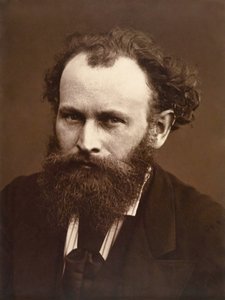
Explorez l'art révolutionnaire d'Édouard Manet (1832-1883), une figure clé de la transition du Réalisme à l'Impressionnisme. Découvrez ses chefs-d’œuvre controversés tels que 'Le Déjeuner sur l'herbe' et 'Olympia', ainsi que son influence durable sur l'art moderne.
§ 3Commentaire
The Fifer: A Snapshot of Modern Parisian Life
Édouard Manet’s “The Fifer,” completed in 1866, stands as a cornerstone of Realist painting and a pivotal moment in the artistic landscape of mid-Victorian France. Currently residing within the Musée d'Orsay’s hallowed halls in Paris, this deceptively simple canvas transcends its modest dimensions—measuring 161 x 97 cm—to deliver a profound commentary on societal shifts and the burgeoning spirit of Impressionism.
Inspired by Diego Velázquez’s masterful depiction of everyday life at Las Meninas, Manet deliberately eschewed academic conventions. He sought to capture not idealized beauty but the gritty reality of urban existence, mirroring the artistic fervor sweeping across Europe. This influence is palpable in the painting's composition—a stark monochrome background punctuated by vibrant splashes of color—a technique that anticipates the groundbreaking innovations of Impressionists like Monet and Renoir.
Composition and Technique: Impasto and Direct Observation
- Monochrome Background: Manet employed a muted gray hue to neutralize distractions, allowing the viewer’s gaze to focus squarely on the central figure—a young boy passionately engaged in playing the flute.
- Impasto Texture: The artist utilized thick layers of paint (impasto), creating a tactile surface that conveys movement and immediacy. This technique wasn't merely decorative; it mirrored the physicality of observation, striving to reproduce the nuances of light and shadow as perceived by the eye.
- Color Highlights: Strategic use of color—particularly in the jacket, pants, and strap—creates dramatic visual contrast and enhances depth perception. These highlights illuminate the boy’s form against the subdued backdrop, emphasizing his presence.
Realism Beyond Representation
“The Fifer” isn't merely a portrait; it’s an embodiment of Realist philosophy. Manet prioritized capturing psychological truth over meticulous detail. The boy’s expressive gaze—directly confronting the viewer—is characteristic of Realism’s commitment to portraying subjects with honesty and spontaneity. His posture exudes youthful energy, conveying a moment frozen in time.
Symbolic Significance: A Reflection of Change
Beyond its aesthetic qualities, “The Fifer” carries symbolic weight. It represents the burgeoning interest in depicting ordinary life—a departure from the grand narratives favored by Romantic artists. The flute itself symbolizes youth, innocence, and artistic aspiration – themes that resonate throughout Manet’s oeuvre. Furthermore, the painting subtly critiques societal expectations surrounding masculinity and leisure.
Legacy: Influencing Modern Art Movements
"The Fifer" solidified Manet's position as a pioneer of modern art. Its innovative approach to color, composition, and technique profoundly impacted subsequent generations of artists, paving the way for Impressionism and challenging established artistic traditions. It remains an enduring testament to Manet’s unwavering dedication to capturing the essence of his time—a captivating glimpse into the soul of Parisian society.
Questions et réponses
Où devrait être accrochée une reproduction de «Le Fifre» de Édouard Manet ?
Avec son format Format vertical allongé, une reproduction de « Le Fifre » est idéale pour un(e) Salon.
En quelle année et dans quel mouvement "Le Fifre" a-t-elle été réalisée ?
«Le Fifre» a été réalisé en 1866, au sein du mouvement Réalisme contemporain.
Où puis-je acheter une impression de «Le Fifre» de Édouard Manet ?
Vous pouvez commander une impression de «Le Fifre» de Édouard Manet directement sur sa page Tirage d'art fine art : une impression d'art sur toile de coton ou sur papier canvas d'archive.


 Passer au format impression


 Pour les œuvres ou reproductions dont un côté mesure plus de 105 cm (environ 41 pouces), le cadre sera expédié sous forme de kit démonté. Cette méthode garantit une livraison sécurisée et prévient tout dommage pendant le transport.


