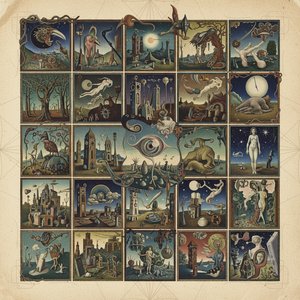
Techniques mixtes.

§ 1Données du catalogue


Cette œuvre est protégée par le droit d'auteur
L’œuvre d'art présentée sur cette page est protégée par le droit d'auteur, ce qui signifie que nous ne pouvons légalement créer ou vendre de reproduction identique. Cette protection est appliquée en vertu d'accords internationaux tels que la Convention de Berne et par les lois nationales, notamment celles énoncées par le Loi américaine sur le droit d'auteur - Titre 17.
En tant qu'alternative respectueuse et légale, nous proposons des œuvres d'art personnalisées, peintes à la main et inspirées de l'original. Nos artistes talentueux et professionnels étudient avec soin le style, l'ambiance et l'essence artistique de l'œuvre originale pour créer une pièce nouvelle et unique qui évoque la même émotion — tout en restant une création originale en soi.
Cette méthode est pleinement conforme aux réglementations sur le droit d'auteur car elle ne repose pas sur la copie ou la duplication de l'œuvre protégée. Il s'agit plutôt d'une réinterprétation créative — une nouvelle peinture qui s'inspire de l'original sans pour autant lui être identique.
 En savoir plus
§ 2Abstrait
Description de la pièce
Le surréalisme de Max Ernst s'exprime ici par une sculpture bleue en spirale. Explorez l'imagerie de l'inconscient.
Biographie de l'artiste
Explorez le monde surréaliste de Max Ernst (1891-1976), pionnier du Dadaïsme et du Surréalisme ! Découvrez ses techniques innovantes de frottage, ses collages et ses peintures oniriques mettant en scène des oiseaux, des paysages et des thèmes psychologiques. #MaxErnst #Surréalisme #Dada
§ 3Commentaire
A Portal into the Subconscious
Max Ernst’s untitled (2217) is far more than a mere arrangement of pigment on canvas; it serves as a profound portal into the depths of the human subconscious. Created in 1935, this work captures a crystallized fragment of the Surrealist movement’s relentless pursuit of dreamlike realities. During this formative period of his career, Ernst sought to reject the constraints of rational thought, opting instead for a visual language rooted in intuition and spontaneous association. The painting invites the viewer to step away from the tangible world and enter a realm where logic dissolves, replaced by the hauntingly beautiful echoes of the psyche. For the collector or enthusiast, this piece offers an invitation to contemplate the elusive essence of human experience through a lens of pure, unadulterated imagination.
Technique and the Art of Chance
The brilliance of untitled (2217) lies in Ernst’s mastery of chance operations and his revolutionary approach to texture. Eschewing traditional, smooth finishes, he employed techniques such as grattage—a method of scraping away layers of paint to reveal the hidden textures and forms lurking beneath the surface. This process of dismantling conventional beauty mirrors the way memories and emotions are often unearthed from the depths of our minds. The composition is strikingly asymmetrical, prioritizing a sense of visual dynamism over traditional balance. Bold swathes of deep blue dominate the canvas, punctuated by mysterious circles and geometric shapes that appear scattered as if by a random act of fate. By integrating collage-like elements and meticulously crafted textures, Ernst creates a surface that is both tactile and visually complex, making it a captivating centerpiece for any sophisticated interior.
Historical Resonance and Emotional Depth
To understand the gravity of this work, one must consider the turbulent era from which it emerged. Painted against the backdrop of rising fascism and profound political upheaval in Europe, the painting reflects the anxieties of a society on the brink of instability. As part of the Surrealist rebellion, Ernst used his art to seek refuge in the realm of the irrational, providing an escape from the encrovers of societal decay. The interplay of cool blues and sudden yellow accents creates a visual tension that is both soothing and unsettling, mirroring the duality of peace and chaos. For those looking to adorn a space with art, this reproduction offers more than just aesthetic value; it brings a sense of intellectual depth and historical weight, serving as a powerful conversation piece that resonates with the enduring human struggle for freedom and self-discovery.
Questions et réponses
Comment le style de « sans titre (2217) » s'inscrit-il dans l'époque de son créateur ?
« sans titre (2217) » appartient au mouvement Surréalisme, et son créateur a œuvré à l'époque Époque moderne.
À quel courant artistique «sans titre (2217)» de Max Ernst appartient-il ?
«sans titre (2217)» de Max Ernst appartient au mouvement Surréalisme. Ce mouvement apporte le contexte stylistique de l'œuvre.
Comment les couleurs de "sans titre (2217)" s'harmonisent-elles entre elles ?
L'harmonie colorée de « sans titre (2217) » est décrite comme étant Palette discordante.


 Passer au format impression


 Pour les œuvres ou reproductions dont un côté mesure plus de 105 cm (environ 41 pouces), le cadre sera expédié sous forme de kit démonté. Cette méthode garantit une livraison sécurisée et prévient tout dommage pendant le transport.