

Fusain.

§ 1Données du catalogue


§ 2Abstrait
Description de la pièce
Explorez "La Résurrection" de William Blake – un dessin au crayon dramatique de transcendance et de jugement spirituel. Un chef-d'œuvre du Romantisme, riche en symboles et en texture. Possédez une pièce unique !
 Lire la suite
Biographie de l'artiste
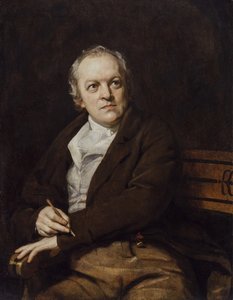
Explorez l'art visionnaire et la poésie de William Blake (1757-1827). Figure clé du Romantisme, connu pour les livres illuminés, les thèmes mystiques et les œuvres prophétiques comme 'Le Tigre'. Découvrez son héritage dans les musées et en ligne !
§ 3Commentaire
William Blake’s “The Resurrection”: A Visionary Encounter with Divine Transcendence
William Blake's "The Resurrection" stands as an unparalleled testament to Romantic artistic fervor—a pencil drawing that transcends mere depiction, delving into the profound spiritual anxieties and aspirations of its era. Created during a period marked by seismic shifts in British society – industrialization’s relentless advance alongside burgeoning religious questioning – this artwork isn’t simply a retelling of biblical narrative; it's an audacious exploration of humanity’s yearning for faith, confronting mortality, and grasping at the possibility of eternal liberation. Blake’s singular vision positioned him as an outsider amidst the prevailing intellectual currents, yet his enduring legacy secures his place among the most influential artists of all time.Subject & Composition: Chaos Illuminated – The Anatomy of Spiritual Struggle
The drawing presents a breathtaking panorama of swirling figures rendered in dynamic poses that convey both palpable anguish and fervent anticipation. Blake deliberately eschews traditional perspective, immersing the viewer within the overwhelming experience of resurrection itself—a chaotic vortex brimming with emotional turmoil. Faces contorted in expressions of fear, hope, and awe react to the central figure proclaiming divine revelation. This isn’t a serene ascension; it's a visceral confrontation with existential dread, punctuated by flashes of incandescent faith. The composition is deliberately unsettling, mirroring the turbulent inner landscape of Blake’s own spiritual quest—a deliberate rejection of rational order in favor of emotive truth.Technique & Style: Hatching as Soul – Mastering Texture and Dramatic Light
Blake's mastery of hatching and cross-hatching is undeniable; these meticulous lines aren’t merely descriptive tools but conduits for conveying energy, animating the scene with an urgency that captures the very essence of resurrection. Unlike many artists of his time who prioritized realism, Blake embraced expressive abstraction—a technique honed through years of observation and experimentation. The resulting texture is remarkably rich, mirroring the complexity of human emotion and reflecting Blake’s profound engagement with esoteric symbolism. Notably, Blake's approach echoes influences from Rembrandt and Caravaggio, demonstrating a conscious awareness of artistic precedents while forging his own distinctive path.Symbolism & Spiritual Resonance: Light as Divine Grace – Decoding Blake’s Mythological Language
Light assumes paramount importance within “The Resurrection,” serving as a potent symbol of divine grace—the radiant illumination emanating from the central figure signifying authority and connection to the celestial realm. The anguished faces of those resurrected embody humanity's collective struggle with mortality, mirroring Blake’s preoccupation with themes of death and rebirth. Blake frequently imbued his work with personal mythology and esoteric references; understanding this context elevates the viewing experience beyond mere aesthetic appreciation—it invites contemplation on fundamental questions concerning existence and salvation.Historical Context & Legacy: Romantic Rebellion – Blake's Place in Artistic History
“The Resurrection” emerged during a period of intense social upheaval, reflecting Blake’s broader critique of Enlightenment dogma and his fervent belief in individual spiritual freedom. He championed imagination as opposed to reason—a stance that positioned him as an iconoclastic figure challenging established norms. Blake’s unwavering conviction in the transformative power of art cemented his reputation as one of Romanticism's foremost innovators, inspiring generations of artists who followed—and continues to resonate powerfully with audiences today. His enduring influence testifies to the timeless appeal of confronting existential dilemmas through artistic expression.Questions et réponses
Dans quel mouvement et à quelle époque s'inscrit «La Résurrection» de William Blake ?
Dans «La Résurrection» de William Blake, le mouvement Romantisme rencontre l'époque L'époque moderne.
«La Résurrection» de William Blake est-il une œuvre célèbre ?
«La Résurrection» de William Blake affiche un niveau de popularité Iconique. Cette classification témoigne de la reconnaissance de l'œuvre auprès du public.
Quel est l'usage recommandé pour une impression de « La Résurrection » ?
L'utilisation suggérée pour «La Résurrection» de William Blake est Pièce maîtresse d'envergure. Elle peut également servir à d'autres fins.


 Passer au format impression


 Pour les œuvres ou reproductions dont un côté mesure plus de 105 cm (environ 41 pouces), le cadre sera expédié sous forme de kit démonté. Cette méthode garantit une livraison sécurisée et prévient tout dommage pendant le transport.


