Alfred Edmund Dyer : Un maître victorien de la technique du copiste
Alfred Edmund Dyer (1884 – 1955) s'érige comme un témoignage vibrant de l'héritage durable du portrait victorien et d'un savoir-faire artistique d'une précision méticuleuse. Né à Stow-on-the-Wold, dans le Gloucestershire, la carrière de Dyer fut largement consacrée à la réplication de peintures célèbres réalisées par des luminaires tels que William Dobson et John Singer Sargent, ce qui l'établit comme l'un des plus éminents copistes de Grande-Bretagne à son époque. Son œuvre ne relève pas de la simple imitation ; elle représente un engagement profond envers la tradition artistique et une volonté inéchantillable de capturer l'essence même des chefs-d'œuvre originaux.- Jeunesse et formation : Dyer reçut sa formation artistique formative au Marlborough College, où il perfectionna ses compétences en dessin et en peinture sous la direction de tuteurs influents. Cet ancrage dans les principes de l'art classique s'est avéré inestimable lorsqu'il a entamé son parcours professionnel.
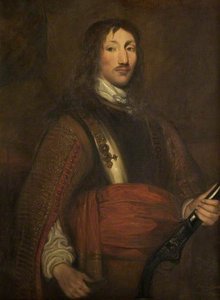
- Points forts de sa carrière : La réputation de Dyer a progressé de manière constante tout au long du début du XXe siècle, lui permettant d'obtenir des commandes pour reproduire des œuvres emblématiques pour des collectionneurs privés ainsi que pour des institutions. Notamment, il entreprit un projet d'envergure en répliquant le « Portrait de Sir Jacob Astley » de Dobson, faisant preuve d'une compréhension exceptionnelle de l'équilibre compositionnel et de la gradation tonale.
L'art de la réplication : L'approche méthodologique de Dyer
La philosophie artistique de Dyer reposait sur la conviction que maîtriser une peinture exigeait bien plus que la simple reproduction de son apparence de surface. Il étudiait méticuleusement l'œuvre originale, analysant chaque coup de pinceau, les effets de lumière et les palettes chromatiques afin de les reconstruire fidèlement sur ses propres toiles. Ce processus laborieux n'était pas dicté par une simple prouesse technique ; il était sous-tendu par une appréciation intellectuelle de la vision et de l'intention créatrice de l'artiste original. Ses copies n'étaient pas de simples reproductions, mais de véritables dialogues avec l'histoire de l'art.- Compétence technique : Dyer possédait un contrôle remarquable sur le mélange des pigments, le travail du pinceau et les techniques de superposition — des compétences affinées par des années de pratique dédiée. Il privilégiait la précision dans la capture des nuances subtiles de ton et de texture, s'efforçant de transmettre les mêmes qualités atmosphériques que l'original.
- L'influence de Dobson et Sargent : La sensibilité artistique de Dyer fut profondément façonnée par les œuvres de William Dobson et de John Singer Sargent, deux maîtres du portrait qui prônaient le réalisme académique et les éclairages dramatiques. Il a absorbé leurs innovations stylistiques pour les adapter à sa propre approche distinctive.
Reproductions notables et héritage artistique
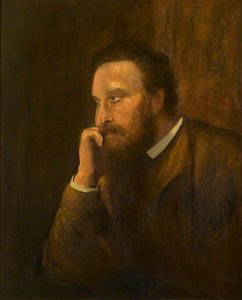
Parmi les accomplissements les plus célébrés de Dyer figure sa copie méticuleuse du portrait de « The Right Honourable Weetman Dickinson Pearson », 1er vicomte Cowdray, par John Singer Sargent. Ce portrait illustre parfaitement la maîtrise de Dyer en matière de modulation tonale et d'illumination directionnelle, recréant avec succès le rendu magistral de l'ombre et de la lumière de Sargent — un exploit qui a scellé la place de Dyer dans les annales de l'histoire de l'art britannique. Ses reproductions continuent d'être admirées pour leur précision technique et leur sensibilité artistique.- La collection du Capitaine Christie Crawfurd : L'œuvre de Dyer a trouvé sa place au sein de la collection « The Captain Christie Crawfurd English Civil War Collection », témoignant de son dévouement à la préservation de l'art historique.
Conclusion : Un défenseur discret de la tradition artistique
La contribution d'Alfred Edmund Dyer à l'art victorien ne réside pas dans une innovation révolutionnaire, mais dans un dévouement sans faille au maintien des standards artistiques. Il a servi de conduit pour transmettre l'esprit et la technique de peintres illustres, garantissant que leurs chefs-d'œuvre perdurent à travers les générations. L'héritage de Dyer réside dans ses reproductions méticuleuses — autant de témoignages de sa compréhension profonde de l'artisanat artistique et de son respect éternel pour le patrimoine de la peinture britannique.Questions et réponses
Où puis-je voir toutes les œuvres de Alfred Edmund Dyer ?
Retrouvez toutes les œuvres de Alfred Edmund Dyer sur ce site en consultant sa page Toutes les œuvres d'art.
Où peut-on trouver les œuvres de Alfred Edmund Dyer regroupées par palette ?
La page Par palette de couleurs regroupe les œuvres de Alfred Edmund Dyer par palette de couleurs.
Où et en quelle année Alfred Edmund Dyer est-il né ?
Alfred Edmund Dyer est né à Stow-on-the-Wold en 1884.