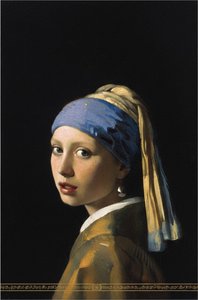
Le Maître de Delft : La Vie et l'Héritage de Willem van der Vliet
Willem van der Vliet était un peintre dont le pinceau a su capturer l'essence même de l'Âge d'or néerlandais, une époque définie par un épanouissement culturel et une innovation artistique sans précédent. Né dans la ville historique de Delft vers 1584, Van der Vliet a vécu et respiré l'atmosphère d'un Pays-Bas en train de trouver sa voix sur la scène mondiale. Sa vie, qui s'est achevée dans sa ville natale tant aimée en 1642, était profondément liée aux traditions artistiques de sa région. Bien que l'histoire le place parfois dans l'ombre de contemporains plus célèbres, ses contributions aux genres de l'allégorie historique et du portrait restent un témoignage de sa maîtrise technique et de sa capacité à tisser des récits complexes à travers la peinture. Les fondements de l'art de Van der Vliet ont été posés grâce à une lignée de mentorat et de liens familiaux. Il fut le mentor de son neveu, Hendrick Cornelisz. van Vliet, un artiste qui deviendra plus tard renommé pour ses perspectives architecturales. Cette relation suggère un environnement d'atelier où les principes de profondeur spatiale et de précision structurelle étaient transmis avec le plus grand soin. À travers cette lignée, on peut retracer l'influence de maîtres tels que Michiel Jansz van Mierevelt, dont l'expertise en portraiture a probablement nourri la manière raffinée dont Willem abordait le visage humain et le rang social de ses sujets.Une Symphonie de Lumière et de Perspective
Rencontrer une œuvre de Van der Vliet, c'est faire l'expérience d'une maîtrise profonde de l'illusion de l'espace. Maître de la perspective architecturale, il utilisait des techniques linéaires pour construire des environnements qui semblaient remarquablement tangibles. Sa capacité à rendre les bâtiments et les paysages avec une telle précision lui permettait de créer bien plus que de simples décors ; il bâtissait des scènes pour des drames moraux et allégoriques. Ces compositions n'étaient jamais purement décoratives ; elles étaient des scènes soigneusement mises en scène, conçues pour transporter le spectateur dans un monde où la grandeur et le sens coexistaient. Ce sentiment de profondeur était encore accentué par son utilisation sophistiquée du clair-obscur. Van der Vliet possédait une capacité rare à manipuler une lumière dramatique, utilisant des contrastes tranchants entre l'ombre et la lumière pour sculpter les figures hors de l'obscurité. Dans ses portraits, cette technique servait un double objectif : elle apportait un poids structurel aux sujets, leur donnant une présence palpable, et elle mettait en valeur les textures luxueuses de l'époque — le reflet doux du cuir, la netteté d'un col en lin ou la chaleur pesante de la fourrure. Ce jeu d'ombre et de lumière ne se contentait pas d'éclairer la toile ; il insufflait la vie à la trame même de l'identité de ses sujets.L'Âme de l'Âge d'Or Néerlandais
Au-delà de la brillance technique de son coup de pinceau, l'œuvre de Van der Vliet sert de fenêtre historique vitale sur le tissu social de Delft au XVIIe siècle. Ses portraits étaient de puissants instruments de statut et d'assurance. Lorsqu'il peignait un homme assis dans un fauteuil orné, drapé dans des vêtements sombres et coûteux, il enregistrait bien plus qu'une simple ressemblance ; il documentait le succès mercantile et l'autorité tranquille d'une classe ascendante de citoyens néerlandais. Chaque pli de tissu et chaque ombre soigneusement placée témoignaient de la richesse et de la dignité de cette époque. L'importance historique de Willem van der Vliet réside dans son rôle de pont entre les traditions rigides du passé et les innovations expressives de l'Âge d'or. Ses œuvres, allant de portraits intimes comme le Portrait d'un homme à des allégories complexes, continuent de captiver les historiens de l'art en offrant un aperçu d'une période de transformation immense. Grâce à son attention méticuleuse aux détails et à sa maîtrise de la lumière, Van der Vliet a assuré la pérennité de l'esprit de Delft, laissant derrière lui un héritage d'une beauté évocatrice qui demeure aussi frappante aujourd'hui qu'elle l'était au XVIIe siècle.Questions et réponses
À quelle époque historique Willem Van Der Vliet a-t-il vécu ?
Willem Van Der Vliet a œuvré durant la période L'époque moderne. Cette époque permet de situer l'activité de l'artiste dans l'histoire.
Existe-t-il une chronologie de la carrière de Willem Van Der Vliet ?
La Parcours de carrière de Willem Van Der Vliet est une frise chronologique interactive qui se parcourt au défilement, présentant les œuvres de l'artiste par ordre chronologique et regroupées par périodes de sa carrière.
Puis-je étudier l'utilisation de la couleur par Willem Van Der Vliet à travers l'ensemble de ses œuvres ?
La ADN de la palette de Willem Van Der Vliet présente le profil chromatique de l'ensemble de son œuvre.