


 Pregledaj u realnoj veličini
 Pošalji
 Podijeli
 Detalji o umjetničkom djelu
 Vodič
Vodič

 Preuzmi umjetničko djelo
 Slični predmeti
 Rentgenska snimka
 Slide show
 Pitanja i odgovori
 Statistika
Apples


 Prikaži više
Giclée / Umjetnički otisak
Giclée tisak muzejske kvalitete ili otisak na platnu uz brzu izradu i raznolike opcije završne obrade. ( Kupi ručno oslikano djelo Prebacite na digitalnu sliku)




P118B €10

P118H €10

P118W €10

P438Z €10

P508JH €12

P508YH €12

P805H €10

P805Z €10

P919BZ €10

P919G €10

P919XJ €10

P959ZH €10

P968JZ €12

W106C €8

W218G €10

W218JH €8

W218Y €10

W307PJ €10

W316G €10

W316PJ €8

W316Y €10

W398PJ €8

W4111J €10

W500HY €15

W500JH €15

W692G €12

W849H €8

W940BG €15

W953PJ €8




Odaberite jednu od naših unaprijed definiranih veličina koje odgovaraju izvornim proporcijama umjetničkog djela.

Unesite potrebnu širinu i visinu kako bi odgovarali vašem okviru ili zidu. Print se može samo izrezati, nikada ne može biti veći od slike, stoga format s drugačijim omjerom stranica uzrokuje gubitak dijela slike. Prije bilo kakve štampe šaljemo vam digitalni prikaz (mockup) na odobrenje. Slika prikazana na ovoj stranici ne prikazuje stvarni rez — to prikazuje isključivo digitalni prikaz.
Dostava širom svijeta () u roku od 2 tjedna umjesto standardnih 4/5 tjedana. (16 Studeni)

Besplatna ekspresna dostava širom svijeta

Visokokvalitetno laneno platno

Potpuno osiguranje dostave

Jamstvo povrata carine i uvoznih poreza

Jamstvo vjernosti boja

Politika povrata u roku od 100 dana (samo u slučaju nedostataka)

Jamstvo povrata 100% novca

Popust na više proizvoda
 Opcija stakla dostupna je samo za dimenzije manje od 110 cm

Apples
Giclée / Umjetnički otisak
Veličina reprodukcije
-


Ukupna cijena
€ 58
A Quiet Abundance: Exploring James Ensor’s “Apples”
This still life, simply titled “Apples,” offers a glimpse into James Ensor's often-overlooked explorations beyond his more famous grotesque and satirical works. While known for challenging artistic conventions, Ensor also possessed a keen eye for the beauty of everyday objects, as evidenced in this intimate depiction of fruit arranged on a table. The painting features a collection of apples – alongside oranges and bananas – scattered with casual abundance. A bowl suggests further bounty hidden from full view, while a solitary chair anchors the composition to a domestic setting.Style & Technique: Impressionistic Touches within Symbolist Framework
Though Ensor is firmly placed within the Symbolist movement, “Apples” reveals subtle influences of Impressionism in its handling of light and color. The brushwork isn’t overtly expressive, but it's loose enough to capture the sheen on the fruit and suggest a sense of immediacy. Ensor’s technique here is characterized by a careful observation of form combined with a slightly muted palette, creating an atmosphere that feels both realistic and dreamlike. This contrasts sharply with the often-garish colors found in his more well-known pieces, like “The Fall of the Rebellious Angels.” He employs a relatively traditional oil painting technique, building up layers to achieve depth and texture, but always with a distinctive personal touch.Historical Context: A Moment of Repose
Created sometime during Ensor’s prolific career (1860-1949), “Apples” stands as a quiet counterpoint to the turbulent social and political climate of late 19th and early 20th century Belgium. While Europe braced for war, and artistic movements like Expressionism began to emerge, Ensor occasionally retreated into these more intimate studies of still life. These works offer insight into his personal world and a respite from the anxieties that fueled much of his satirical output. He was moving away from direct social commentary at times, exploring instead the inherent beauty in simple subjects. His earlier training at the Académie Royale des Beaux-Arts provided him with a solid foundation in traditional techniques, which he then subverted and adapted to his unique vision.Symbolism & Interpretation: Beyond Simple Representation
While seemingly straightforward, even Ensor’s still lifes are imbued with potential symbolism. Apples themselves have long held symbolic weight – representing temptation, knowledge, and the fall of man in religious iconography. In this context, however, their meaning is more ambiguous. The presence of other fruits—oranges symbolizing prosperity and bananas hinting at exoticism—adds layers to the interpretation. The chair, often a symbol of absence or waiting, introduces a subtle melancholic note. It’s possible Ensor intended these elements not as explicit allegories but rather as evocative details that invite contemplation on themes of transience, abundance, and the beauty of fleeting moments.Emotional Impact & Aesthetic Appeal
“Apples” evokes a sense of peaceful domesticity and quiet contemplation. The composition is balanced and harmonious, creating a visually pleasing experience. The painting’s subdued colors and soft lighting contribute to its calming effect. For collectors and interior designers, this work offers versatility – it can seamlessly integrate into various settings, from traditional to contemporary spaces. Its understated elegance makes it an ideal piece for those seeking artwork that is both beautiful and intellectually stimulating. It's a reminder that even within the oeuvre of a radical artist like James Ensor, there exists a profound appreciation for the simple pleasures of life.Pitanja i odgovori
Kolika je luminancija djela "Apples" autora James Ensor?
Boje djela "Apples" pokazuju Dark luminanciju.
Koja je dominantna boja djela "Apples" autora James Ensor?
Dominantna boja djela "Apples" autora James Ensor je Driftwood (#b8b25c).
Postoji li informativna stranica o "Apples" autora James Ensor za studente?
Stranica Vodič za učenike za djelo "Apples" autora James Ensor nudi ispisivenu informativnu letak u dvije stranice: prikaz umjetničkog djela s tablicom identiteta, vremensku traku koja ga smješta u životni vijek umjetnika, druga djela istog autora, izmjerenu paletu boja te citate spremne za kopiranje u četiri stila.
Srodna umjetnička djela


Biografija umjetnika
Rani život, obitelj i umjetničko obrazovanje
James Ensor rođen je 13. travnja 1860. godine u Ostendu, u Belgiji. Njegov identitet oblikirao je specifičan kulturni presjek: njegov je otac, James Frederic Ensor, rođen u Bruxellesu od engleskih roditelja, dok je majka, Maria Catherina Haegheman, bila Belgica. To dvostruko podrijetlo pružilo je temelj za perspektivu koja se često nalazila izvan uskih okvira lokalne tradicije. Odrastajući, umjetnik je živio unutar zidova trgovine suvenirima koju su u Ostendu vodili njegovi roditelji. To okruženje nije bilo samo mjesto boravka, već i spremište neobičnog i ukrasnog. Trgovina je bila prepuna školjaka, karnavalnih maski i neobičnih predmeta koji su pružili vizualni rječnik njegovom kasnijem radu.
Njegovo formalno obrazovanje u umjetnosti bilo je proces pokušaja i pogrešaka. Prije ulaska u strukturirano okruženje akademije, započeo je svoj umjetnički put pod vodstvom dvojice lokalnih slikara. Ta rani poduk pružila je tehničku osnovu koju će kasnije manipulirati i izobličavati. Od 1877. do 1880. godine pohađavao je Académie Royale des Beaux-Arts u Bruxellesu. Čak i unutar tih akademskih zidova, njegova su interesovanja ostala različita od krutih očekivanja institucije. On nije bio učenik status quo-a; bio je učenik predmeta koji su ga okruživali u Ostendu.
Evolucija njegovog umjetničkog stila
Ensorova rani rad bio je bez onog psihološkog trenja koje definira njegovo zrelo stvaralaštvo. U djelima kao što su Russian Music (1881) i The Drunkards (1883), djelovao je unutar prigušenog, realističkog okvira. Te kompozicije oslanjale su se na suzbušene tonove i tradicionalne prikaze svakodnevnog života, prikazujući umjetnika koji je još uvijek bio vezan uz gravitaciju realizma prije nego što je njegov vizualni jezik doživio radikalnu promjenu. Naposljetku je odbacio tu suzdržanost, birajući umjesto toga paletu koja je značajno posvijetlela kako je njegova tematika postajala sve bizarnija.
Preokret prema groteski bio je pokretan specifičnom fascinacijom maskom. Privlačili su ga plastični oblici i intenzivne boje karnavalnih maski koje su se nalazile u obiteljskoj trgovini suvenirima. Ti su predmeti nisu bili samo rekviziti; oni su postali središnji dio njegove estetike. Integrirao ih je u svoje mrtve natove kako bi uveo teatralnu kvalitetu, koristeći ih za narušavanje domaćinstva scene. Taj pomak prema iracionalnom omogućio mu je da nadilazi puku reprezentaciju i uđe u prostor psihološke napetosti.
- The Scandalized Masks (1883)
- The Oyster Eater (1882/1883)
- The Man of Sorrows (1891)
Ključna djela i glavne teme
Ensorova opsjednutost maskom i groteskom pruža izravnu vezu s psihološkim napetostima moderne ere. U djelu The Scandalized Masks (1883), utjelavio je rani interes za moć prerušavanja, koristeći karnavalski motiv kako bi razotkrio društvene pretvorstvo. Ta fascinacija teatralnim i uznemirujućim elementima nije bila puka stilistička odluka, već metoda istraživanja identiteta. Njegovo djelo iz 1882. godine, The Oyster Eater, pokazuje drugu stranu njegove sposobnosti rukovanja svjetlom i bojom, prikazujući njegovu sestru Mitche u sceni koja je izazvala konzervativna osjećaja Antverpenskog salona. Odbacivanje slike od strane tadašnjeg establishmenta naglašava trenja između njegove vizije i krutih normi tog vremena.
Umjetnikov prelazak prema agresivnijim, ekspresivnijim oblicima najočigledniji je u njegovim monumentalnim kompozicijama. Christ's Entry Into Brussels (1888-1889) djeluje kao preteča dvadesetoglasnog ekspresionizma, koristeći kaotičnu, jarkom bojom ispunjenu procesiju grotesknih figura kako bi parodirao moderno društvo. Taj osjećaj egzistencijalne borbe dodatno je izražen u djelu The Man of Sorrows (1891), uljanom platnu koje spaja Kristovo stradanje s uderljivom vizualnošću japanske Noh kazališne maske. Takva djela otkrivaju čovjeka koji koristi religijske i alegorijske teme kako bi izrazio duboko razočaranje ljudskim ponašanjem i društvenom ravnodušnošću.
Smrtnost i apsurd postojanja ostaju centralni motivi njegovog stvaralaštva. Skeletons Fighting over a Hanged Man (1891) koristi skeletne figure kako bi gledatelja suočio s stvarnošću propadanja i smrti. Ove ponavljajuće teme grjeha, iskušenja i krhkosti privida osiguravaju da njegovo radovi ostanu snažan predmet proučavanja. Njegova sposobnost da te mračne, često neugodne istine sintetizira u koherentan vizualni jezik ono je što definira njegov doprinos prijelazu prema modernizmu.
Gdje danas možete vidjeti njegova djela
Prisutnost James Ensorovih radova u vodećim svjetskim kolekcijama potvrđuje njegov trajni utjecaj na razvoj modernizma. U Antverpu, Kraljevski muzej likovnih umjetnosti čuva dva značajna djela: Čovjek s bolovima i Jeduća ostrva. Ova djela demonstriraju tehničku svestranost umjetnika koji je mampu kretati se od religijske napetosti do intimnih, kućnih scena. Njegov utjecaj proteže se preko Atlantika, gdje Muzej suvremene umjetnosti u New Yorku čuva Muke svetog Antona. To djelo ostaje primarni primjer njegovog prijelaza prema bizarnom i psihološkom istraživanju.
Doseg njegove vizualne ikonografije je doista globalan. Getty Center u Los Angelesu u svom opsegu ima Hristov ulazak u Bruisel, monumentalnu kompoziciju koja bilježi njegove najagresivnije društvene kritike. U međuvremenu, Umjetnički muzej Kimbell u Fort Worthu čuva Skeleti koji se griju. Ti razbacani lokacije osiguravaju da njegov vizualni jezik, definiran nepokolebljivim odbijanjem akademskih normi, ostane dostupan širokom krugu stručnjaka i umjetničkih promatrača diljem svijeta.
- Čovjek s bolovima
- Jeduća ostrva
- Muke svetog Antona
- Hristov ulazak u Bruisel
- Skeleti koji se griju
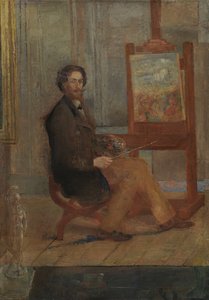
James Ensor
1860 - 1949 , Belgija
Osnovne informacije
- Artistic Movement Or Style:
- Simbolizam
- Ekspresionizam
- Artists Or Movements Influenced By This Artist:
- Ekspresionizam
- Surrealizam
- Artists Who Influenced This Artist:
- Pieter Bruegel stariji
- Francisco Goya
- James Abbott McNeill Whistler
- Date Of Birth: 1860
- Date Of Death: 1949
- Full Name: James Sidney Edouard Ensor
- Nationality: Belgijski
- Notable Artworks:
- Kristov ulazak u Bruxelles
- Čovjek s bolovima
- Jedačica kamenica
- Tribulacije svetog Antona
- Skeleti koji se bore oko vješala
- Place Of Birth: Ostend, Belgija
Srodni članci

Sweet & Simple: How Apple Art Can Transform Your Home Decor with Timeless Impressionist Elegance
Discover how apple-themed Impressionist art can bring warmth and vitality to your home. From Renoir-inspired oils to custom fruit commissions, our expert guide helps you select the perfect hand-painted masterpiece to transform your interior decor with timeless elegance.

The Weight of an Apple: From Biblical Allegory to the Structural Vision of Cézanne
Explore the evolution of the apple from biblical allegory to Cézanne's geometry. Trace this artistic legacy with our expert analysis.

James Ensor's Grotesque Visions: Social Commentary & Artistic Innovation
Explore the unsettling yet captivating world of James Ensor, a pioneer of Expressionism. Discover his satirical masterpieces, symbolic imagery & lasting influence on modern art. High-quality reproductions available at AllPaintingsStore.
Sun-Drenched Citrus: The Vibrant Beauty of Oranges in Impressionist Masterpieces
Embark on a sensory journey through Impressionist masterpieces. Discover how Renoir and Cézanne captured the vibrant light and luscious textures of sun-drenched oranges in exquisite still life paintings designed to inspire and transform your home.
The Bountiful Still Life: Symbolism & Artistic Representation of Fruit Across Art History
Explore the rich history of still life painting & the symbolism of fruit across art movements. Discover masterpieces from Caravaggio to Cézanne with AllPaintingsStore – expert guidance & museum-quality reproductions.


