


 Előnézet
 Megosztás
 Megosztás
 Részletek
 Útmutató

 Letöltés
 Hasonló darabok
 X-ray felvétel
 Diavetítés
 Statisztika
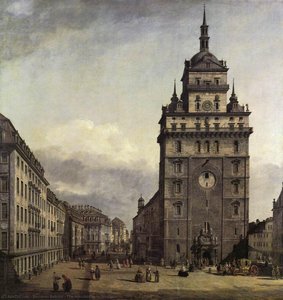
Fortress of Sonnenstein above Pirna
 Acrylic On Canvas
- WallArt
- Rococo/Neoclassicism
 1753
1753 132.0 x 235.0 cm
 Staatliche Kunstsammlungen Dresden
 Tovább olvasom
Kézzel készített olajfestmény reprodukció
Kézzel festett olajvastú vászon, az Ön által választott méretben és keretben, művészeink készítik meglévőre. ( Váltás nyomtatványra Áttérés digitális képre)




P118B $10

P118H $10

P118W $10

P438Z $10

P508JH $12

P508YH $12

P805H $10

P805Z $10

P919BZ $10

P919G $10

P919XJ $10

P959ZH $10

P968JZ $12

W106C $8

W218G $10

W218JH $8

W218Y $10

W307PJ $10

W316G $10

W316PJ $8

W316Y $10

W398PJ $8

W4111J $10

W500HY $15

W500JH $15

W692G $12

W849H $8

W940BG $15

W953PJ $8




Válasszon előre meghatározott méreteink közül, amelyek megfelelnek a műalkotás eredeti arányainak.

Ön megadhat saját méreteket egy adott kerethez vagy térhez igazításhoz. Ha a kiválasztott méret nem egyezik az eredeti kép arányával, akkor a műalkotást levágjuk, vagy további kézzel festett elemekkel meghosszabbítjuk a festményt. A gyártás megkezdése előtt küldünk Önnek egy digitális előnézetet jóváhagyásra.
Kérjük, vegye figyelembe, hogy a képernyőn megjelenő előnézet nem tükrözi a tényleges vágást vagy kiterjesztést. Csak az előnézet fog pontosan mutatni a végső kompozíciót.
Bár egyedi méretek állnak rendelkezésre, javasoljuk, hogy válasszon egy méretet az előre meghatározott listából az eredeti arányok megőrzése érdekében.
A rendelést követően a AllPaintingsStore.com csapata e-mailt küld az ügyfélnek az instrukciókért, és biztosít egy előnézeti képet (mockup).
Világszerte elérhető szállítás () 3-4 hét alatt a szokásos 5 hét helyett. (21 szeptember). A minőség nem kérdőjelezhető.

Ingyenes globális expressz szállítás

Prémium minőségű len vászon

Teljes körű szállítási biztosítás

Vámvisszatérítési Garancia

Tökéletes színarányosság garancia

100 napos visszaküldési garancia (csak gyártási hibás termékek esetén)

100% pénzvisszatérítési garancia

Több darab vásárlásakor kedvezmény
 Az üvegkeretes opció csak 110 cm alatti méretben érhető el

Fortress of Sonnenstein above Pirna
Reprodukciós technika
Reprodukció méretei
-


Összesített ár
$ 258
A Window into a Prussian Past: The Fortress of Sonnenstein
Bernardo Bellotto’s “Fortress of Sonnenstein Above Pirna,” painted in 1753, isn't merely a depiction of a fortified town; it’s a meticulously rendered snapshot of a specific moment in time – the cusp of the mid-18th century. The painting captures not just the physical structure of Sonnenstein Castle and the surrounding town of Pirna nestled within the Ore Mountains of Saxony, but also the atmosphere of a bustling community, a vibrant microcosm reflecting the social and political realities of Prussia under Frederick II. Bellotto’s genius lies in his ability to transform topographical detail into a compelling narrative, inviting the viewer to step back centuries and experience this scene as if they were present.
Bellotto was a master of the “veduta,” an Italian term for cityscape painting that gained immense popularity across Europe. Unlike simple landscape views, vedute sought to capture the essence of urban life – its architecture, its people, its energy. Bellotto’s style is characterized by a remarkable precision and a cool, almost detached observation. He eschewed dramatic lighting or exaggerated emotions in favor of a balanced composition and an acute awareness of perspective. This painting exemplifies his skill; every building, every road, every figure is rendered with painstaking accuracy, creating a sense of immense depth and realism.
The Castle as Symbol: Power and Protection
Sonnenstein Castle itself holds significant historical weight. Originally built in the 13th century, it evolved over centuries into a formidable fortress, reflecting the shifting political landscape of the region. By the mid-18th century, it served as a crucial strategic point, guarding against potential invasions and embodying the power of the Prussian monarchy. Bellotto’s depiction emphasizes this role through the castle's imposing presence – its towering walls, fortified gatehouse, and strategically positioned towers dominate the scene. The careful arrangement of figures around the castle underscores its importance as a center of authority and defense.
However, Sonnenstein wasn’t simply a symbol of military strength. It also housed a renowned library, attracting scholars and intellectuals from across Europe. Bellotto subtly hints at this intellectual life through the inclusion of individuals engaged in various activities – merchants conducting business, farmers tending their fields, and people strolling along the streets. This juxtaposition of military might and scholarly pursuits speaks to the complex nature of 18th-century Prussia, a nation that valued both power and enlightenment.
A Masterclass in Technique: Light, Shadow, and Perspective
Bellotto’s technical prowess is immediately apparent in his masterful use of light and shadow. He employs a subtle chiaroscuro – the dramatic contrast between light and dark – to create a sense of depth and volume. The warm glow of the sunlight illuminates the castle walls and the surrounding buildings, while shadows deepen the recesses and suggest the hidden corners of the town. The artist’s meticulous attention to perspective is equally impressive; the roads converge in the distance, creating an illusion of vastness, while the figures are rendered with a remarkable sense of scale.
Bellotto's use of color is restrained and harmonious, dominated by earthy tones – browns, grays, and ochres – that evoke the rugged landscape of the Ore Mountains. He employs subtle variations in hue to differentiate between different materials – the rough texture of the stone walls, the vibrant colors of the clothing worn by the townspeople, and the verdant green of the surrounding meadows. The painting is a testament to Bellotto’s ability to capture not just what he saw but also how it *felt*—the cool air, the warmth of the sun, the quiet energy of everyday life.
A Legacy Preserved: Reproduction and Inspiration
Bellotto's “Fortress of Sonnenstein Above Pirna” offers a rare glimpse into a bygone era. Today, high-quality reproductions allow us to appreciate the artist’s skill and vision on a grand scale. Whether adorning a study, a gallery wall, or a corporate lobby, this painting evokes a sense of timeless beauty and historical significance. It's more than just an image; it’s a portal to a specific place and time—a reminder of Prussia’s strategic importance, its intellectual vibrancy, and the enduring power of art to capture the essence of human experience.
Hasonló műalkotások




A művész életrajza
Korai élete és képzése
Bernardo Bellotto, híres olasz festő volt, aki körülbelül 1721/2-én vagy 1721. január 30-án született a Bécsen. A híres Giovanni Antonio Canaletto nevében ismert festő gondogyne és tanulója volt, aki kiemelkedő szerepet játszott a bécsi művészeti iskolában.Művészeti stílusa és karrierje
Bellotto művészeti stílusát az építészeti és természetes tájak részletes ábrázolása jellemezte, valamint minden hely egyedi fényviszonyainak megfogalmazása. Kiváló képességéről ismerte a városi tájak lényegének megfogásában, ami számos európai királyra szóló meghíváshoz vezetett.- Római utazásra mert (1742), és Észak-Olaszországba (1744-1745), majd később Dresdenbe költözött a polnák VIII. Águstus király kérésére (1747-1758).
- Dresdeni munkái megőrizték a város háború előtti szépségét, amelyet ma már elpusztították.
- Empress Maria Teresa meghívása alapján dolgozott Bécsben (1758), ahol a város emlékműveit festette.
Kiemelt művei és öröksége
Bellotto kiemelkedő művei közé tartozik:- A nagy-csarnok nézete: Santa Maria della Salute és a Dogana a Campo Santa Maria Zobenigóból (1743)
- Architektonikus capriccio Bellottó önportréjével bécsi nemes öltözékében
Múzeumok és gyűjtemények
Bellotto műveit számos múzeumban lehet látni, köztük az Olaszországban található Pinacoteca di Vicenzát. Ha több műalkotását szeretné megismerni, látogasson el [https://AllPaintingsStore.com/@/bernardo bellotto](https://AllPaintingsStore.com/@/bernardo bellotto) és fedezze fel a művészet világát.Források
* /hu/art/show/art-d3baj3-hu/ * [https://www.wikiart.org/en/bernardo-bellotto/](https://www.wikiart.org/en/bernardo-bellotto/) * [https://fr.wikipedia.org/wiki/bernardo_bellotto](https://fr.wikipedia.org/wiki/bernardo_bellotto)
Bernardo Bellotto
1721 - 1780 , Olaszország
Gyors információk
- Artistic Movement Or Style: Veduta festészet
- Artists Or Movements Influenced By This Artist: ['Városépítés']
- Artists Who Influenced This Artist: ['Giovanni Canaletto']
- Date Of Birth: 1721 körül
- Date Of Death: 1780
- Full Name: Bernardo Bellotto
- Nationality: Olasz
- Notable Artworks:
- Grand Canal nézet
- Építészeti capriccio
- Place Of Birth (City And Country): Velence, Olaszország
Kapcsolódó cikkek

Epic Drama & Dark Vibes: The Ultimate Collector's Guide to Baroque Landscapes
Master the art of drama with our ultimate guide to Baroque landscapes. Discover the power of chiaroscuro, explore legendary masters, and learn how to curate epic, dark-vibe masterpieces for your collection with expert insights from AllPaintingsStore.
John Constable 25 Mesterműve: A Természet Lényege Vászonon – AllPaintingsStore.com
Fedezze fel John Constable 25 legszebb művészeti alkotását! Ismerje meg a romantika ikonikus tájképeit, Dedham Vale szépségét és a természet lenyűgöző ábrázolásait. Vászonkép reprodukcióinkkal eleganciát csempészhet otthonába – AllPaintingsStore.com

Evocations of Place: A Historical Journey Through Landscape Art
Explore the rich history of landscape art with AllPaintingsStore. Discover renowned artists, movements like Impressionism & Romanticism, and expert guidance for collecting timeless pieces. Find your perfect serene escape today!

Drama in Nature: The Captivating Grandeur of Baroque Landscapes and the Art of Emotional Spectacle
Explore the breathtaking drama of Baroque landscapes. From Rubens's grand vistas to the mastery of chiaroscuro, discover how 17th-century artists transformed nature into a theatrical stage of emotion and light. A deep dive for true art enthusiasts.

A Romantikus Tájképfestészet 10 Legikonikusabb Műalkotása – AllPaintingsStore.com
Fedezze fel a romantikus tájképfestészet 10 legikonikusabb műalkotását! Caspar David Friedrich, J.M.W. Turner és más mesterek festményeinek története – inspiráló olajfestmények otthonába. AllPaintingsStore.com: múzeumi minőségű reprodukciók és egyedi dekorációk online.

