


 Megtekintés
 Küldés
 Megosztás
 Részletek
 Útmutató

 Letöltés
 Hasonló darabok
 X-ray felvétel
 Diavetítés
 Q&A
Q&A Statisztika
Annunciation
 Olajfestmény vászonon
- Falfu díszek
- Early Netherlandish Painting
 1436
1436- Reneszánsz
 39.0 x 24.0 cm
 Thyssen-Bornemisza Múzeum
 Összes részlet megjelenítése
Giclée / Műnyomat
Múzeumi minőségű giclée vagy vászonnyomat, gyors gyártással és rugalmas finomítási lehetőségekkel. ( Kézzel festett másolat rendelése Áttérés digitális képre)




P118B Ft10

P118H Ft10

P118W Ft10

P438Z Ft10

P508JH Ft12

P508YH Ft12

P805H Ft10

P805Z Ft10

P919BZ Ft10

P919G Ft10

P919XJ Ft10

P959ZH Ft10

P968JZ Ft12

W106C Ft8

W218G Ft10

W218JH Ft8

W218Y Ft10

W307PJ Ft10

W316G Ft10

W316PJ Ft8

W316Y Ft10

W398PJ Ft8

W4111J Ft10

W500HY Ft15

W500JH Ft15

W692G Ft12

W849H Ft8

W940BG Ft15

W953PJ Ft8




Válasszon előre meghatározott méreteink közül, amelyek megfelelnek a műalkotás eredeti arányainak.

Írja be a keretének vagy a falának megfelelő szélességet és magasságot. A nyomatot csak le lehet vágni, soha nem tehető nagyobbá, mint az eredeti kép, így egy eltérő alakú méretnél a kép egy része elveszik. Mielőtt bármit kinyatintanánk, küldünk egy digitális próbamodellt jóváhagyásra. Az oldalon látható kép nem tartalmazza a valós levágást — ezt csak a próbamodell mutatja meg.
Világszerte történő kiszállítás területére mindössze 2 hét alatt, a szokásos 4-5 hét helyett. (28 október)

Ingyenes globális expressz szállítás

Prémium minőségű len vászon

Teljes körű szállítási biztosítás

Vámvisszatérítési Garancia

Hiteles színarányosság garancia

100 napos visszaküldési lehetőség (csak hibás termékek esetén)

100% pénzvisszatérítési garancia

Több darab vásárlásakor kedvezmény
 Az üvegkeretes opció csak 110 cm alatti méretben érhető el

Annunciation
Giclée / Műnyomat
Reprodukció mérete
-


Összesített ár
Ft 20705
A Window Into Divine Revelation: Jan van Eyck’s Annunciation
Jan van Eyck's Annunciation stands as an unparalleled testament to the artistic brilliance of the Early Netherlandish Renaissance, cementing its place among the most revered paintings in Western art history. Created in 1436 for St Bavo Cathedral in Ghent, Belgium—a commission that would propel him to international fame—this monumental altarpiece transcends mere visual representation; it embodies a profound spiritual narrative meticulously crafted with groundbreaking artistic innovation.- Subject Matter: The painting depicts the pivotal moment when Gabriel announces to Mary that she will conceive Jesus Christ, marking the genesis of Christian faith and tradition. This biblical scene is rendered with breathtaking realism, capturing the serene intimacy of the Virgin’s contemplation and the angelic messenger's solemn proclamation.
- Style & Technique: Van Eyck’s mastery lies in his pioneering application of oil paint—a technique previously uncommon in Northern Europe—allowing for unprecedented levels of detail and luminosity. Layers upon layers of pigment create a palpable sense of depth, capturing textures with astonishing accuracy, from the folds of Mary's robe to the delicate feathers of Gabriel’s wings.
Compositional Genius: Linear Perspective and Architectural Framing
The painting’s composition is masterful, employing linear perspective to establish a convincing illusion of space within the cathedral interior. A doorway frames the scene, subtly dividing the space into two distinct realms—the earthly sanctuary and the divine realm—symbolizing the transition between human experience and spiritual grace. This architectural element isn't merely decorative; it serves as a crucial tool in conveying the painting’s overarching message.
Symbolism: Dove and Light – Echoes of Holy Spirit
Beyond its visual splendor, Annunciation is rich with symbolic significance. The dove perched atop Gabriel’s left shoulder represents the Holy Spirit—God’s divine presence illuminating Mary's womb and signifying the incarnation of Christ. This emblem underscores the painting’s theological core, emphasizing God’s intervention in human history and reaffirming the sanctity of faith.
Historical Context & Legacy
Jan van Eyck was a pivotal figure within the Early Netherlandish artistic movement alongside Rogier van der Weyden and Petrus Christus. His work challenged prevailing conventions, prioritizing meticulous observation and capturing the subtleties of human emotion—a departure from earlier Gothic styles. The Annunciation profoundly influenced subsequent artists, establishing standards for realism and expressive detail that would endure for centuries. Its enduring appeal lies in its ability to evoke contemplation and inspire awe, reminding viewers of the transformative power of faith.
Bringing Van Eyck’s Vision Home
A high-quality reproduction of Annunciation by Jan van Eyck offers a captivating glimpse into the artistic achievements of the Renaissance. Explore stunning reproductions at AllPaintingsStore.com and discover how this iconic masterpiece can enrich your interior space.
- Size: 39 x 24 cm
- Date: 1436
Further Exploration
Delve deeper into Jan van Eyck’s artistic world and the broader context of Northern Renaissance art by visiting The Annunciation at The National Gallery of Art or exploring St Bavo’s Cathedral in Ghent.
Kérdések és válaszok
Van-e rozšíngtott valóság (AR) előnézete a(z) "Annunciation" alkotásnak?
A „Annunciation”, Jan van Eyck alkotása Kiterjesztett valóság előnézet oldala kiterjesztett valóságot használ, hogy az alkotást egy kompatibilis eszközön, az Ön saját környezetében is megmutassa.
Milyen színtelítettséggel rendelkezik „Annunciation”, Jan van Eyck alkotása?
A "Annunciation" színeinek telítettsége Finom színtónusú.
Milyen telítettséget és intenzitást mutat „Annunciation”, Jan van Eyck alkotása?
A „Annunciation”, Jan van Eyck alkotása alkotás Finom színtónusú telítettségű és Egyensúlyos intenzitású.
Hasonló műalkotások


A művész életrajza
Jan van Eyck élete és művészete: A korai németalföldi festészet mestere
Jan van Eyck, a 14-15. század fordulójának egyik legjelentősebb flamand festője, neve szorosan összefonódik az olajfestészet forradalmasításával és a korai németalföldi festészet aranykorának megteremtésével. Körülbelül 1390-ben született Maastrichtban, a mai Hollandia területén, egy művészcsaládban – idősebb testvére, Hubert van Eyck szintén festőművész volt, bár munkásságáról kevesebbet tudunk. Bár pontos életrajzi részletek hiányoznak, különösen ifjúkori éveiről, egyértelmű, hogy Jan rendkívüli tehetséggel rendelkezett és hamar a korabeli művész körök élére került. 1422-re már műhelyt alapított Hágában, ahol tanítványokat foglalkoztatott és megbízásokat végzett, melyek bizonyították mesteri tudását. Ez a korai siker azonban nem csupán művészi képességein alapult; van Eyck intelligens és megbízható ember volt, olyan tulajdonságok, amelyek hamarosan befolyásos pártfogók szolgálatába állították.Burgundi szolgálatban: Diplomácia és művészeti virágzás
Pályájának egyik kulcsfontosságú pillanata érkezett el, amikor a burgundi udvarhoz került, először III. János bágyi herceg, majd később Jó Fülöp szolgálatába állt. Ez nem csupán pártfogói kapcsolat volt; van Eyck diplomáciai megbízatásokat is kapott, ami bizonyította a herceg bizalmát és intellektusát. Ezek az európai utazások – többek között Portugáliába és Spanyolországba tett kirándulások – sokszínű kultúrákkal és művészeti hatásokkal ismertették meg őt, finoman formálva fejlődő stílusát. Az udvar nemcsak anyagi biztonságot nyújtott neki, hanem olyan erőforrásokhoz is hozzáférést biztosított, amelyek lehetővé tették számára ambiciózus projektek megvalósítását, a művészet határait tolva. Van Eyck nem csupán a burgundi elit számára festett képeket; szerves részévé vált világuknak, műveivel tükrözte és fokozta tekintélyüket. Ez egyedülálló pozíció olyan mértékű művészeti szabadságot biztosított számára, amely ritkán adatott meg a kor festőinek, lehetővé téve kísérletezéseket és innovációkat, amelyek örökre megváltoztatták a festészet menetét.Az olaj alkémiája: A technika forradalma
Bár nem ő találta fel az olajfestést – használata van Eyck előtt is ismert volt –, kétségtelenül ő tökéletesítette mesteri módon. Innovációi előtt a tempera volt a domináns festőanyag, amely korlátozott keverési lehetőségeket és viszonylag matt felületet kínált. Van Eyck az olajfestészet teljes potenciálját tárta fel áttetsző mázak gondos rétegezésével, páratlan részletességet, ragyogást és realizmust érve el. Ez a technika finom árnyalatokat tett lehetővé, gazdagabb színeket és olyan textúrák létrehozását, amelyek élethez hasonlóak voltak. A hatás átalakító volt; a felületek belülről világítottak, a szövetek tapintásra késztető minőséget kaptak, a portrék nem csupán külső hasonlóságot ábrázoltak, hanem pszichológiai mélységet is. Mesteri tudása nem csupán technikai volt – egyfajta alkímiai folyamat, amely a pigmenteket valósághűvé alakította. Ez az innováció nem maradt észrevétlen; alapját képezte a következő generációk festőinek, gyökeresen megváltoztatva a nyugati művészet arculatát.Remekművek és maradandó örökség
Van Eyck művészi öröksége viszonylag kis, de rendkívül befolyásos életműben rögzült. A Ghent oltárképe (1432), egy monumentális poliptichon, áll a legambiciózusabb vállalkozása – egy komplex vallási szimbolika és technikai bravúr szövetkezet. Ugyanilyen hírnevet szerzett a Giovanni Arnolfini és felesége portréja (1434), egy úttörő alkotás a portréfestészetben, amelyet realizmusáért, bonyolult részleteiért és rejtélyes szimbolikájáért dicsérnek. További figyelemre méltó művek közé tartozik a Dresden oltárképe, amely bemutatja képességét vallási jelenetek lenyűgöző tisztasággal történő ábrázolására, és a feltűnő Kék turbános férfi, ami bizonyítja egyéni karakterek megragadásának képességét. Ezek a festmények nem csupán vizuális reprezentációk; ablakok egy másik világra – egy olyan világra, amelyet szinte megszállottan figyelmes részletességgel ábrázoltak. Van Eyck hatása messze túlmutat ezeken az ikonikus műveken, formálva a korai németalföldi festészet fejlődését és évszázadokon keresztül számtalan művészt inspirálva. 1441-ben halt meg Bruges-ban, öröksége pedig ma is rezonál, emlékeztetve minket a művészet erejére az emberi tapasztalat megvilágításában. Források: Wikipedia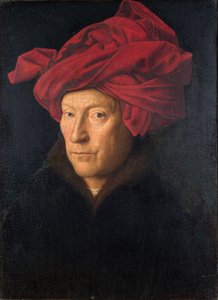
Jan van Eyck
1390 - 1441 , Hollandia
Rövid információk
- Artistic Movement Or Style: Korai németalföldi festészet
- Artists Or Movements Influenced By This Artist: ['Korai németalföldi festők']
- Date Of Birth: kb. 1390
- Date Of Death: 1441
- Full Name: Jan van Eyck
- Nationality: Flamand
- Notable Artworks (List Of Titles):
- Genti oltárképe
- Arnolfini portré
- Drezdai triptichon
- Place Of Birth (City And Country): Maastricht, Holland
Kapcsolódó cikkek
Rembrandt legikonikusabb művei: 25 mestermű a vászonon – AllPaintingsStore
Fedezze fel Rembrandt van Rijn 25 legikonikusabb művét! Barokk portrék, bibliai jelenetek és önarcképek a Holland aranykorból. Művészeti reprodukciók prémium minőségben – AllPaintingsStore. Explore the full collection online!

Late Medieval Masterpieces: 10 Artworks That Defined an Era | AllPaintingsStore
Journey through 10 defining Late Medieval masterpieces – from Giotto's frescoes to Jan van Eyck’s realism. Explore the stories, techniques & vibrant colors of Gothic art. Find museum-quality reproductions and elevate your home decor with AllPaintingsStore.com! Discover all masterpieces on AllPaintingsStore.com
Jan van Eyck: Innovation, Symbolism & the Dawn of Early Netherlandish Painting
Explore the revolutionary art of Jan van Eyck! Discover his groundbreaking oil painting techniques, hidden symbolism, and lasting impact on the Early Netherlandish Renaissance. A deep dive for art enthusiasts.

A Korai Németalföldi Festészet 10 Mesterműve: A Reneszánsz Kezdete a Vásznon
Fedezze fel a korai németalföldi festészet 10 legikonikusabb műalkotását! Ismerje meg Jan van Eyck, Bosch és más mesterek történetét, technikáit. Múzeumi minőségű reprodukciók a AllPaintingsStore.com-on – inspirálja otthonát klasszikus festményekkel!

Early Netherlandish Masters: 10 Paintings That Revolutionized Art & Decor
Journey into the Early Netherlandish Renaissance! Explore 10 iconic paintings by Jan van Eyck, Rogier van der Weyden & more. Discover stunning detail, symbolism, and oil painting techniques. Find museum-quality art reproductions for your home at AllPaintingsStore.com.


