


 Anteprima in scala reale
 Condividi
 Condividi
 Dettagli
 Guida stampabile

 Scarica
 Articoli simili
 Radiografia
 Slideshow
 Statistiche
Composizione classica
 Pittura a olio
- Opere da parete
- Post-impressionista
 1907
1907- Età Contemporanea
 22.0 x 27.0 cm
 Oklahoma City Museum of Art
 Leggi tutto
Giclée / Stampe d'arte
Stampa giclée o su tela di qualità museale, con produzione rapida e diverse opzioni di finitura. ( Ordina la riproduzione dipinta a mano Passa all'immagine digitale)




P118B €10

P118H €10

P118W €10

P438Z €10

P508JH €12

P508YH €12

P805H €10

P805Z €10

P919BZ €10

P919G €10

P919XJ €10

P959ZH €10

P968JZ €12

W106C €8

W218G €10

W218JH €8

W218Y €10

W307PJ €10

W316G €10

W316PJ €8

W316Y €10

W398PJ €8

W4111J €10

W500HY €15

W500JH €15

W692G €12

W849H €8

W940BG €15

W953PJ €8




Scegli tra le nostre dimensioni predefinite, che rispettano le proporzioni originali dell'opera d'arte.

Inserisci la larghezza e l'altezza desiderate, per adattarle alla tua cornice o alla tua parete. Una stampa può essere solo ritagliata, mai resa più grande dell'immagine originale; pertanto, un formato con una forma differente comporterà la perdita di una parte dell'opera. Ti invieremo un mockup digitale da approvare prima di procedere con la stampa. L'immagine mostrata in questa pagina non rappresenta il ritaglio reale — solo il mockup lo mostra.
Consegna in tutto il mondo () in 2 settimane invece delle normali 4/5 settimane. (23 Ottobre)

Spedizione espressa gratuita in tutto il mondo

Tela in lino di alta qualità

Assicurazione completa sulla spedizione

Garanzia di rimborso dei dazi doganali

Garanzia di perfetta fedeltà cromatica

Politica di reso entro 100 giorni (solo per difetti di fabbricazione)

Garanzia di rimborso al 100%

Sconto per acquisti multipli
 L'opzione vetro è disponibile solo per dimensioni inferiori a 110 cm

Composizione classica
Giclée / Stampe d'arte
Dimensioni della riproduzione
-


Prezzo totale
€ 56
A Symphony of Color and Form
In his 1907 masterpiece, "Classic Composition," André Derain invites the viewer into a mythic landscape where the boundaries between reality and emotion dissolve into a vibrant tapestry of color. This work stands as a profound testament to the transition from the wild, expressive energy of Fauvism toward a more structured, classical sensibility. At first glance, the scene presents a deceptively tranquil pastoral setting: five nude figures are nestled within an undulating expanse of verdant hills, bordered by a river that mirrors the serene azure of the sky. Yet, beneath this surface of calm lies a deliberate and powerful exploration of form. Derain does not merely seek to replicate nature; he seeks to reconstruct it through a lens of emotional truth, drawing deep inspiration from the geometric foundations laid by Paul Cézanne.
The painting’s power resides in its rhythmic composition and the way it directs the eye across the canvas. The landscape is divided into sloping planes of emerald and forest green, creating a sense of depth that feels both grounded and dreamlike. These verdant slopes are punctuated by sudden, brilliant splashes of citrus-colored pigments—lemon yellows and warm oranges—that act as visual sparks, breathing life into the earth. The figures themselves are strategically placed to create a compelling dialogue between observation and representation; one woman turns her gaze toward the viewer, momentarily breaking the fourth wall and drawing us into this private, sun-drenched sanctuary. Even the small detail of a bowl in the lower right corner serves as an anchor, adding a touch of domestic intimacy to the vast, mythic expanse.
The Fauvist Legacy and Technical Mastery
To understand "Classic Composition," one must appreciate the revolutionary spirit of the Fauves, or "wild beasts," of which Derain was a founding architect. Moving away from the Impressionist obsession with capturing fleeting light, Derain utilized color as an independent, expressive force. The technique is characterized by thick, impasto-like applications of paint and loose, energetic brushstrokes that lend the canvas a palpable texture. This tactile quality allows the light to dance across the surface, making the landscape feel as though it is breathing. The juxtaposition of intense, sometimes jarring hues—crimson reds against deep greens—is a calculated move designed to stimulate the senses and evoke an immediate, visceral response from the spectator.
For the discerning collector or interior designer, this piece offers more than just aesthetic beauty; it provides a focal point of intellectual and emotional depth. The painting embodies a "Return to Order," a movement that sought to find stability and classical grace following the radical experiments of early modernism. Its balance of bold, avant-garde color with a structured, harmonious composition makes it an incredibly versatile acquisition. Whether placed in a contemporary gallery setting or used to add a sophisticated, historical soul to a modern living space, "Classic Composition" radiates a timeless elegance. It is a work that does not merely decorate a room but transforms it, offering a window into a world where nature and human emotion exist in perfect, colorful equilibrium.
Domande e risposte
"Composizione classica" di André Derain è di pubblico dominio, e perché?
"Composizione classica" di André Derain è di di pubblico dominio - il suo copyright è scaduto. I termini del copyright si calcolano a partire dalla morte dell'artista, e André Derain è deceduto nel 1954.
Dove posso acquistare una riproduzione dipinta a mano di "Composizione classica" di André Derain?
Puoi ordinare una riproduzione dipinta a mano di "Composizione classica" di André Derain direttamente sulla sua pagina Riproduzione dipinta a mano: una riproduzione a olio dipinta a mano su tela di lino, realizzata su ordinazione.
Dove posso acquistare una stampa di "Composizione classica" di André Derain?
È possibile ordinare una stampa di "Composizione classica" di André Derain direttamente sulla sua pagina Stampa Fine Art: una stampa fine art su tela di cotone o carta canvas d'archivio.
Opere correlate


Biografia dell'artista
Primi Anni e Formazione
- Nascita e Famiglia: André Derain nacque il 10 giugno 1880 a Chatou, Yvelines, Île-de-France, appena fuori Parigi.
- Studio Indipendente: Contrariamente ad alcune affermazioni, Derain iniziò a dipingere indipendentemente nel 1895, prima di incontrare Vlaminck o Matisse. Occasionalmente andava nella campagna con Padre Jacomin e i suoi figli.
- Formazione Scolastica: Nel 1898, studiò ingegneria all'Académie Camillo, dove incontrò Matisse e successivamente frequentò lezioni di pittura sotto Eugène Carrière.
- Abbandono dell'Ingegneria: Dopo il servizio militare (1901-1904), Derain fu persuaso da Matisse ad abbandonare la sua carriera ingegneristica e dedicarsi alla pittura. Frequentò quindi l'Académie Julian.
Fauvismo e Sviluppo Artistico Iniziale
- Collaborazione con Matisse: Derain collaborò strettamente con Henri Matisse, in particolare durante l'estate del 1905 a Collioure, dando vita a opere come "Montagne a Collioure".
- Salon d'Automne (1905): La loro esposizione al Salon d'Automne segnò un momento cruciale, portando il critico Louis Vauxcelles a coniare il termine "Fauves" ("belve selvagge") a causa del loro uso audace e non convenzionale del colore.
- Dipinti di Londra: Nel 1906, Derain fu inviato a Londra da Ambroise Vollard, producendo una serie di dipinti che raffiguravano la città in modo nuovo e sorprendente, concentrandosi sul Tamigi e sul Tower Bridge. Queste opere sono considerate tra le sue più significative.
- Influenze e Stile: Il lavoro Fauvista iniziale è caratterizzato da colori intensi, non naturalistici e pennellate espressive. Derain fu influenzato da artisti come Van Gogh e Cézanne.
Evoluzione dello Stile e Opere Successive
- Passaggio al Classicismo: Dopo il 1907, lo stile di Derain iniziò a evolversi, allontanandosi dalla tavolozza puramente Fauvista verso tonalità più attenuate e una maggiore enfasi sulla forma. Questo periodo (1911-1914) è talvolta definito la sua "fase gotica".
- Influenza del Cubismo & dei Maestri Antichi: Il lavoro di Derain in questo periodo riflette il suo studio dei Maestri Antichi, incorporando elementi del Cubismo e un rinnovato interesse per le forme classiche.
- Design per Balletto: Nel 1919, progettò il balletto "La Boutique Fantasque" per Diaghilev, dimostrando la sua versatilità come artista.
- Opere Notevoli: Tra le opere chiave di questo periodo figurano "Arlecchino e Pierrot", "Il ritorno di Ulisse" (un grande murale) e vari paesaggi e nature morte che mostrano la sua evoluzione stilistica.
Eredità e Significato Storico
- Co-fondatore del Fauvismo: Derain è riconosciuto come una figura chiave nello sviluppo del Fauvismo, insieme a Matisse, contribuendo in modo significativo al movimento artistico moderno dei primi anni del XX secolo.
- Visione Unica di Londra: La sua serie di dipinti che raffigurano Londra ha offerto una prospettiva nuova e distintiva sulla città, allontanandosi dalle rappresentazioni artistiche precedenti.
- Riconoscimento nel Dopoguerra: Dopo la Prima Guerra Mondiale, Derain ottenne un rinnovato apprezzamento per i suoi contributi a un ritrovato classicismo nell'arte.
- Ultimi Anni e Controversie: Nonostante abbia vinto il premio Carnegie nel 1928, Derain affrontò controversie durante la Seconda Guerra Mondiale a causa della sua presenza in Germania ed è stato successivamente ostracizzato da alcuni ex sostenitori.
- Morte e Ricordo: André Derain morì l'8 settembre 1954. La sua opera continua ad essere celebrata per i suoi colori audaci, le composizioni espressive e il significativo contributo alla storia dell'arte moderna.

André Derain
1880 - 1954 , Francia
Informazioni rapide
- Artisti Influenti:
- Henri Matisse
- Pablo Picasso
- Data Di Nascita: 10 giugno 1880
- Influenze Artistiche:
- Impressionismo
- Post-impressionismo
- Luogo Di Nascita: Chatou, Francia
- Movimento Artistico: Fauvismo
- Nazionalità: Francese
- Nome Completo: André Derain
- Opere Notevoli:
- Arlecchino e Pierrot
- Ponti di Londra
Articoli correlati

Wild Colors & Raw Emotion: A Definitive Guide to the Fauvist Art Movement
Explore the vibrant world of Fauvism. Discover how masters like Matisse and Derain revolutionized art through bold colors and raw emotion in this expert guide to the 'Wild Beasts' movement.

I 10 Capolavori Fauvisti che Hanno Rivoluzionato l'Arte Moderna | AllPaintingsStore
Esplora i 10 capolavori del Fauvismo con AllPaintingsStore. Scopri Matisse, Derain e altri maestri dell'arte moderna e le loro tele dai colori audaci. Trova riproduzioni artistiche di alta qualità per la tua casa! Esplora la collezione online.
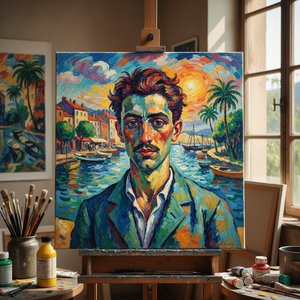
André Derain: Visionario del Fauvismo e l'Evoluzione del Colore Moderno
Esplora la vita e le opere di André Derain, pioniere del Fauvismo. Scopri l'evoluzione del suo stile audace e l'impatto sull'arte moderna. Riproduzioni di alta qualità su AllPaintingsStore.

The Enduring Allure of the Nude: A Historical & Artistic Exploration of the Human Form
Explore the captivating history of nude art! Discover iconic paintings & artists from classical to modern eras. Uncover symbolism, techniques & find museum-quality reproductions at AllPaintingsStore.

I 10 Capolavori Fauvisti che Hanno Rivoluzionato l'Arte Moderna |
Esplora i 10 capolavori Fauvismo di Matisse, Derain e Vlaminck. Scopri la storia, i colori audaci e l'impatto di questo rivoluzionario movimento artistico. Riproduzioni d'arte di alta qualità su .


