

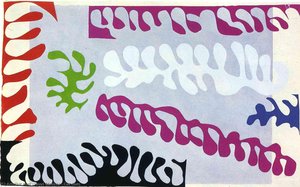
1955. Ink On Paper. Museum of Modern Art.

§ 1Dati del catalogo


Quest'opera è protetta da copyright
L'opera d'arte visualizzata in questa pagina è protetta dalle leggi sul diritto d'autore, il che significa che non possiamo legalmente creare o vendere una riproduzione identica. Tale protezione è garantita da accordi internazionali quali la Convenzione di Berna e dalle leggi nazionali, incluse quelle stabilite da Legge sul copyright degli Stati Uniti - Titolo 17. Tutti i diritti riservati. Le immagini presenti su questo sito sono protette da copyright e non possono essere riprodotte o utilizzate senza l'autorizzazione scritta di WahooArt.com o dei rispettivi proprietari del copyright.
Come alternativa rispettosa e legale, offriamo opere d'arte personalizzate e dipinte a mano, ispirate all'originale. I nostri artisti esperti e professionisti studiano con cura lo stile, l'atmosfera e l'essenza artistica dell'opera originale per creare un pezzo nuovo e unico che evochi la stessa emozione, pur rimanendo una creazione originale a pieno titolo.
Questo metodo è pienamente conforme alle normative sul diritto d'autore poiché non prevede la copia o la duplicazione dell'opera protetta. Si tratta invece di una rielaborazione creativa: un nuovo dipinto che trae ispirazione dall'originale, senza tuttavia esserne identico.
 Scopri di più
§ 2Astratto
Descrizione del reperto
Experience 'Panic' by André Masson – a surrealist etching of swirling chaos and raw emotion. Explore the artist’s automatic drawing style & delve into themes of anxiety & primal energy.
Biografia dell'artista
Scopri André Masson: pioniere surrealista e maestro del disegno automatico! Esplora le sue opere innovative, l'influenza sull'espressionismo astratto e i temi provocatori.
§ 3Commento
The Raw Nerve of Anxiety: Unpacking André Masson’s “Panic”
André Masson's "Panic," created in 1955, isn’t merely a painting; it’s an excavation. A visceral plunge into the turbulent depths of the human psyche, rendered with a frenetic energy that both unsettles and compels. This etching, executed on paper, captures a moment suspended between chaos and control, reflecting the anxieties simmering beneath the surface of post-war Europe – a period Masson himself deeply inhabited through his pioneering work in Surrealism and Automatism.
The composition immediately assaults the senses. A dominant teal background—a shade suggestive of both twilight and unease—is fractured by swirling, violently intertwined lines in shades of purple and magenta. These aren’t neat, controlled strokes; they are a deliberate act of disruption, mirroring the feeling of being overwhelmed by internal turmoil. The lack of a clear focal point forces the viewer's eye to dart across the surface, mimicking the restless, fragmented experience of panic itself. The overall effect is less about depicting a specific scene and more about conveying an intense emotional state – a raw, unfiltered expression of anxiety.
Automatism: A Journey Beyond Conscious Control
Masson’s technique—Automatism—was central to his artistic practice. Rejecting the constraints of rational thought and deliberate planning, he sought to tap into the unconscious mind through spontaneous action. In “Panic,” this manifests as a seemingly chaotic outpouring of lines, yet beneath the surface lies a carefully orchestrated process. Masson would often begin with sand drawings, allowing the subconscious to dictate the initial forms, then translate these images onto paper using various tools – in this case, etching techniques—to create the final image. This method aimed to bypass conscious control and reveal hidden emotions and associations.
The influence of Surrealism is undeniable, but Masson’s approach extends beyond simple dream imagery. He was deeply interested in primal emotions, exploring themes of violence, eroticism, and metamorphosis – all powerfully represented within the swirling forms of “Panic.” The piece echoes the work of artists like André Breton and Joan Miró, yet possesses a uniquely personal intensity, reflecting Masson's own struggles with psychological turmoil.
Symbolic Echoes: Violence, Repression, and the Unconscious
The imagery within "Panic" is rich in symbolic potential. The tangled lines can be interpreted as representing repressed emotions struggling to surface, a visual manifestation of internal conflict. The use of dark teal and vibrant purples and magentas creates a dramatic contrast, suggesting a battle between opposing forces – perhaps order versus chaos, reason versus instinct. Some viewers have noted the resemblance to organic forms—twisted limbs or distorted figures—suggesting a sense of fragmentation and loss of control.
Interestingly, Masson’s work frequently engaged with themes of violence, reflecting anxieties prevalent in post-war Europe. The piece can be seen as an exploration of the destructive potential within the human psyche – a warning against succumbing to overwhelming fear and losing oneself in the chaos of internal struggle. The title itself—"Panic"—underscores this central theme, encapsulating the feeling of being trapped within one’s own anxieties.
A Legacy of Raw Emotion: Masson's Enduring Impact
“Panic” stands as a powerful testament to André Masson’s innovative approach to art. It’s not a comfortable piece; it demands engagement and invites introspection. His exploration of Automatism, combined with his unflinching portrayal of psychological turmoil, cemented his place as a key figure in the Surrealist movement and beyond. Reproductions of this work continue to resonate today, offering a glimpse into the complexities of the human experience – a reminder that beneath the surface of everyday life, there often lies a turbulent landscape of anxieties and unresolved emotions.
Domande e risposte
A quale periodo della carriera di André Masson appartiene "Panic"?
"Panic" rappresenta il Surrealist Automatic Drawing di André Masson.
Posso usare la realtà aumentata per vedere "Panic" di André Masson nella mia stanza?
"Panic" dispone di un'anteprima in realtà aumentata: la pagina Anteprima in AR dell'opera ti permette di visualizzarla nel tuo spazio tramite un dispositivo compatibile.
Qual è la tonalità dominante di "Panic" di André Masson?
Una tonalità Green to Violet Spectrum attraversa l'opera "Panic" di André Masson.




 Passa alle stampe


 Per opere d'arte o riproduzioni con un lato superiore a 105 cm (circa 41 pollici), la cornice verrà spedita in forma di kit smontato. Questo metodo garantisce una consegna sicura e previene danni durante il trasporto.


